
Fed cattle deliveries from feedlots in South Dakota, North Dakota, Montana and Wyoming fell 9.5% through the first three quarters of 2026 compared with the same period a year earlier, outpacing a 7.8% decline in national slaughter volume and reshaping the composition of the benchmark 5-Area price series, according to South Dakota State University Extension.
The four-state region delivered 397,149 head direct to large packers during the period, SDSU Extension reported, citing USDA-AMS weekly Committed and Delivered Cattle data that must now be tallied manually since the monthly version of the report was discontinued last summer.
The pace has trailed recent years since the second quarter of 2026. Smaller calf crops, reduced cattle imports from Mexico and packing plant disruptions have contributed to fewer cash-basis transactions, especially in southern states.
The shrinking volume from the South is altering the 5-Area average price, which historically served as a national benchmark with shifting regional emphasis. Colorado has lacked a state-level mandatory price report for several years, and Kansas and the Texas-Oklahoma-New Mexico region have gone multiple weeks in the past 18 months without reported weekly volume or prices due to confidentiality rules.
Those southern areas typically sell 80% to 90% of fed cattle on formula prices, while Nebraska sells about 30% on a negotiated basis and Iowa-Minnesota about 60%. The latter two regions accounted for roughly 75% of the negotiated volume feeding the 5-Area series in the first half of 2026.
South Dakota has no state-level mandatory price reporting. Prices from Nebraska have become the default regional reference alongside the 5-Area series, while USDA-AMS reports local prices for Sioux Falls Regional Livestock. Weekly correlations among the 5-Area, Nebraska and Iowa-Minnesota prices for 80% Choice steers reached 1.0 in 2026; Sioux Falls prices correlated at 0.95 with each of the three series.
“The absence of price reports for southern states suggests that the relative importance of prices from Iowa/Minnesota and Nebraska increases,” SDSU Extension wrote. “Thus, any reference to the 5-Area price may result in an increase in the correlation between South Dakota prices than that series. Generally, that is a good thing. Contracts negotiated on or tied to the 5-Area price may be more effective without the influence of cattle prices from other regions. However, if reporting becomes less frequent then overall price stability could suffer.”
Related reading
- EPA Proposes Approval of Maryland Interstate SO2 Transport Plan
- Nephi Man Trevor Poulsen Has Brain Tumors Removed Weeks Before Child’s Birth
- Michael Clarke cuts Vaucluse mansion price to $15 million ahead of December auction (newsarchyuk.com)
- Dollar General's Four Test Buys: 30 Price Errors, 21 Against the Shopper (daybreakwire.com)

EPA Proposes Approval of Maryland Interstate SO2 Transport Plan
The Environmental Protection Agency proposed on Thursday to approve Maryland’s state implementation plan revision addressing interstate transport requirements...

Nephi Man Trevor Poulsen Has Brain Tumors Removed Weeks Before Child’s Birth
Trevor Poulsen of Nephi underwent surgery Tuesday night at Utah Valley Hospital in Provo to remove a large...
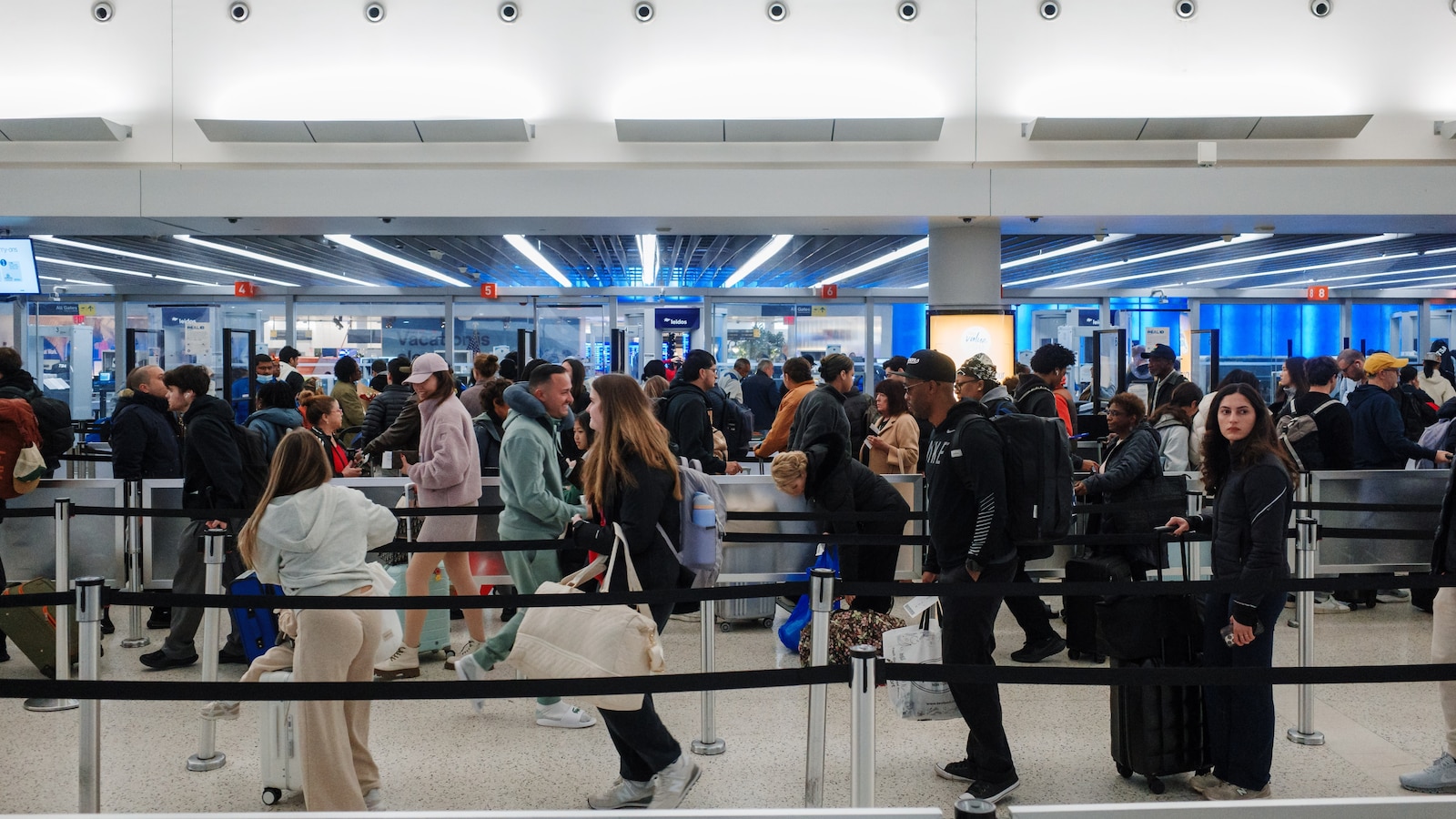
Thanksgiving Travelers Crowded Airports, Confronted Storms, Tech Fears
Millions of Americans crowded airports and highways Wednesday for one of the busiest Thanksgiving travel periods on record,...

Maine Budget Gap Cut in Half to $551 Million as Revenue Forecast Improves
The Maine Revenue Forecasting Committee met Tuesday in Augusta and cut the state's projected General Fund budget gap...