The council’s two-day amendment marathon produced a 2,835-page agenda packet of changes that found unanimous agreement on a package of well over 100 amendments but split sharply on fiscal guardrails and surveillance technology.
“A major driver of the structural budget deficit has been the practice of using one-time funding to pay for ongoing items.”
said Aly Pennucci, the city’s budget director who largely built Wilson’s spending plan, in a memo to council members this month.
Only Councilmembers Bob Kettle and Maritza Rivera voted against Foster’s idea.
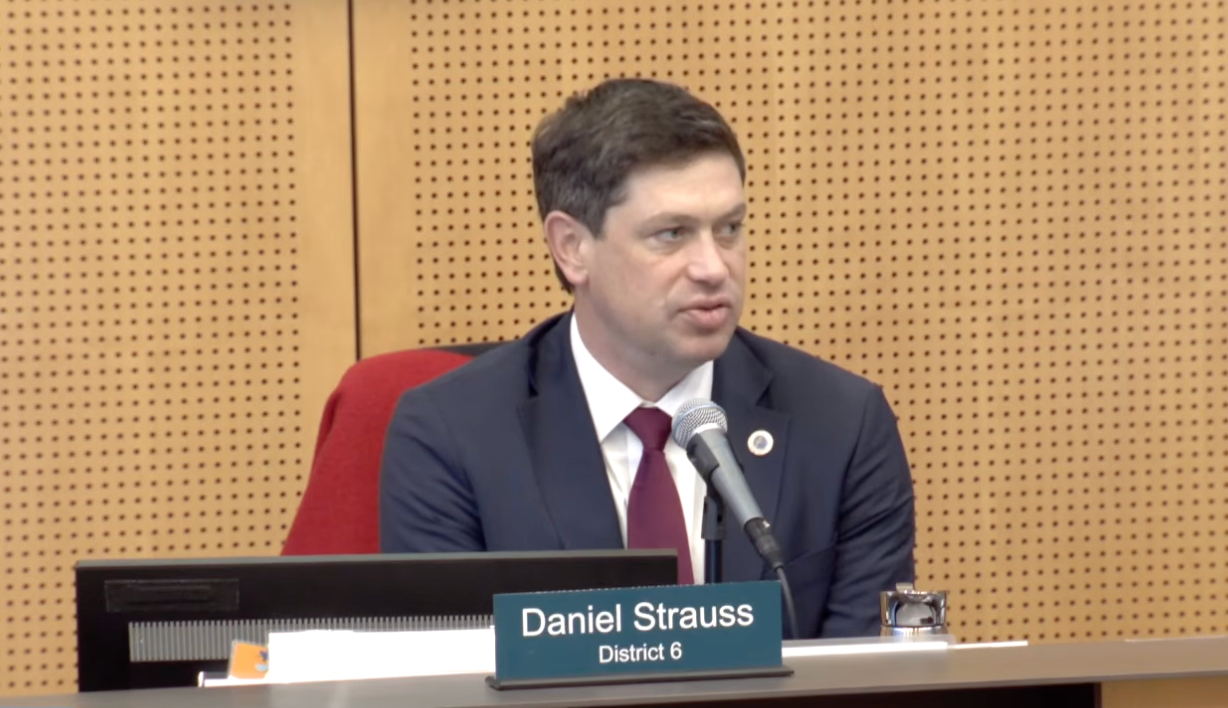
“If a standard is good enough to ask for a different branch of government to meet it, I believe that it’s fair to ask ourselves to fall in line with that same standard.”
Foster said during debate on her bill to hold the council to the same six-year balanced-plan requirement the mayor faces.
That bill failed 4–5.
The approved amendments spread money across districts and public safety. Strauss’ package included $3.2 million for Central District and Southeast Seattle revitalization requested by Hollingsworth, $475,000 for West Seattle business-district cleaning from Saka, and $50,000 for the Georgetown farmers market from Foster. Saka also secured $1 million per council district for transportation safety projects Wilson had cut.
Strauss directed more than $4.8 million in one-time funds through 12 amendments of his own, five explicitly for his Ballard district — including $500,000 for murals and mural tours in the Ballard Brewery District and $150,000 for an illuminated statue of Jimothy, the raccoon that became internet-famous this summer.
On public safety, the council added $7.1 million in Seattle Fire Department overtime Wilson omitted, $150,000 to study a new South Lake Union fire station, and $850,000 for fireboat Leschi repairs. Kettle’s $4.1 million allocation for the Technology Assisted Crime Prevention Program — covering closed-circuit TV camera, Seattle Department of Transportation traffic-camera feeds and technology and staffing at the Real Time Crime Center — passed.
Foster also sought to dedicate any money recovered from $13 million in Seattle Police Department wage overpayments to affordable housing. The legislation deadlocked in a tie vote; Strauss said it would return this week.
- Democrat Mary Peltola Flips Alaska Senate Seat, Giving Democrats 56-44 Majority
- UAMS Invests Gresham Richter, M.D., in James Y. Suen, M.D., Chair in Otolaryngology – Head & Neck Surgery
- South Korean Welfare Committee Increases Budget to Provide Oral Health Screenings for Seniors on Medical Aid (world-today-news.com)
Democrat Mary Peltola Flips Alaska Senate Seat, Giving Democrats 56-44 Majority
Democrat Mary Peltola flipped Alaska's U.S. Senate seat on Tuesday, unseating Republican incumbent Dan S. Sullivan after a...
UAMS Invests Gresham Richter, M.D., in James Y. Suen, M.D., Chair in Otolaryngology – Head & Neck Surgery
The University of Arkansas for Medical Sciences invested Gresham Richter, M.D., in the James Y. Suen, M.D., Chair...
Arizona Regulators Approve 10% TEP Rate Hike and Formula for Annual Adjustments
The Arizona Corporation Commission voted 4-1 Tuesday to raise Tucson Electric Power rates by roughly 10%, adding about...
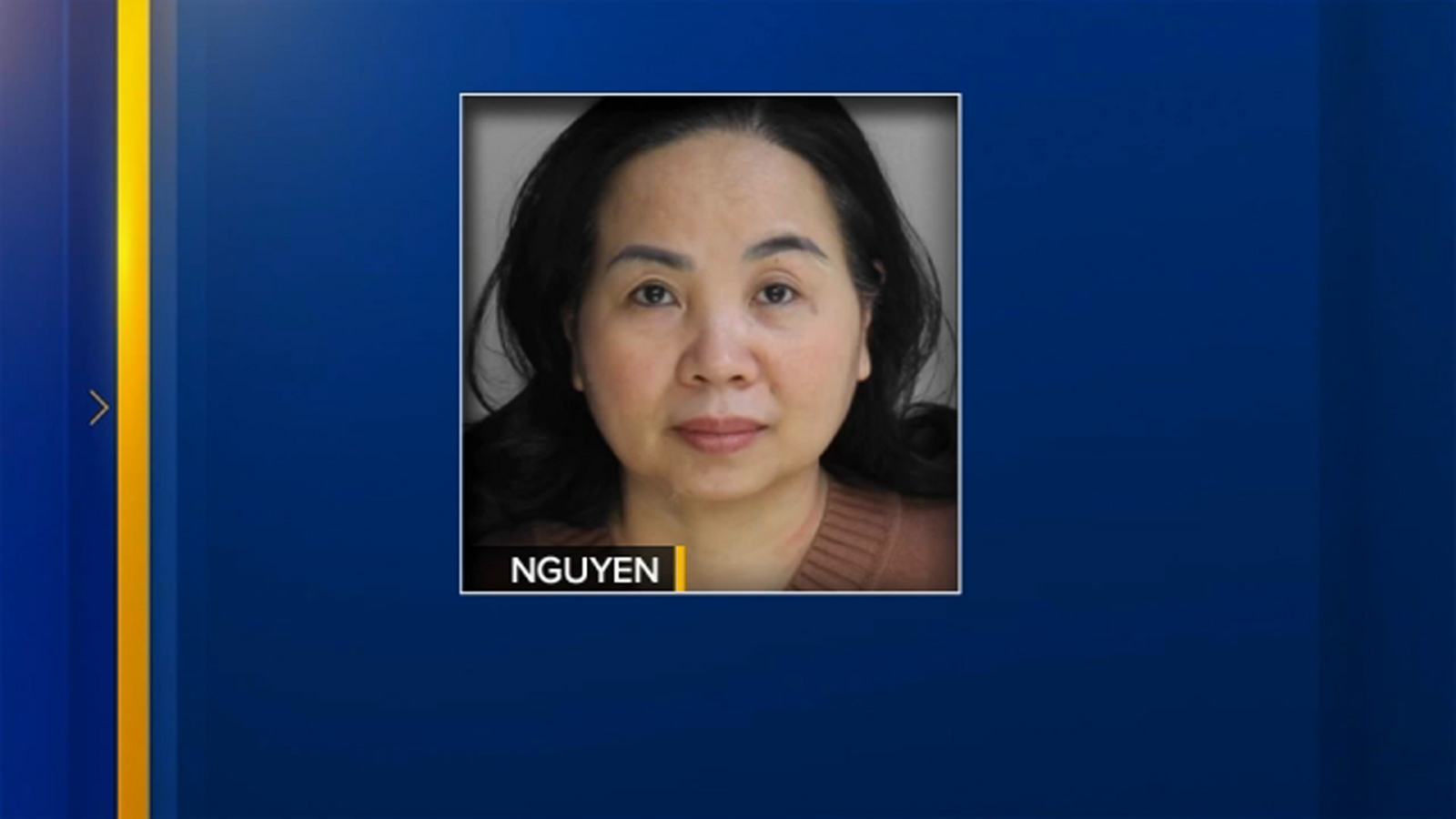
Hien T. Nguyen, a Montgomery County Woman
Hien T. Nguyen, a Montgomery County woman who ran a nationwide travel scheme that stole thousands from members...