
“If someone has sudden onset of numbness on one side of their body that can be a sign of stroke, and it’s really important to get to the hospital as soon as possible,” said Dr. Rachel Forman, a stroke specialist with Yale New Haven Health. Chris Murphy, 53, reportedly noticed exactly that kind of numbness in his arm while attending his son’s hockey game, and he got medical attention quickly — a decision that may have changed the outcome of his hospitalization, Connecticut Public reported.
The episode is renewing attention to a fact that surprises many people: strokes are no longer just an affliction of the elderly. Doctors are seeing more of them in younger adults, and the warning signs can arrive without any fanfare — at a hockey rink, at a desk, in the middle of an ordinary evening.
The FAST Signs Everyone Should Memorize
Forman pointed to a simple acronym that can save a life: FAST — face, arm, speech, and time. Look out for drooping or numbness in the face, weakness or numbness in an arm or leg, and trouble speaking or understanding what others say. The final letter is the one that matters most in the moment: anyone experiencing those symptoms should call 911.
What trips people up is not the acronym but the hesitation. Symptoms that come and go get dismissed, minimized, or waited out. Forman was direct about why that is dangerous.
“Sometimes people will say mild or mini stroke, but I don’t like to minimize a TIA because, as you said, it oftentimes could be a warning for another stroke that’s larger coming,” she said. “We take both of them just as seriously, a TIA or a stroke itself.”
A transient ischemic attack — a TIA — is sometimes called a warning stroke. Its symptoms may resolve on their own, but Forman said it should be treated just as seriously as a full stroke. A negative scan, she added, does not mean a person should shrug off what happened; neurologists weigh symptoms, medical history, age, and risk factors to figure out whether an episode was a TIA, a migraine, or something else.
Why Younger People Are Having Strokes
Forman said risk factors such as high blood pressure, diabetes, physical inactivity, sleep apnea, and high cholesterol are becoming more prevalent, and that is showing up in younger patients. High blood pressure deserves special attention because it often produces no noticeable symptoms.
“That’s why it’s called the silent killer, because oftentimes the first time people know they’re having high blood pressure is when they come in with a devastating stroke,” Forman said.
She urged people to learn their blood pressure readings and collaborate with their health care providers to manage risk factors. But she also cautioned against assuming that a stroke patient necessarily has high blood pressure or another traditional risk factor — clotting disorders and genetic predispositions can contribute too.
Prevention That Fits a Real Life
On diet, Forman pointed to the Mediterranean-style diet, which emphasizes fruits and vegetables and limits less nutritious foods. She also noted that some people experience headaches after eating particular foods — salty foods, chocolate, or drinking wine — and that those triggers are individual and worth discussing with a health professional. Stress, too, is an area researchers are studying for possible connections to stroke; doctors do not simply attribute a stroke to stress, but they do look at how stress might raise blood pressure or trigger an abnormal heart rhythm.
On activity, she encouraged realistic, individualized approaches rather than one-size-fits-all advice, citing Stroke OT, a Connecticut-based stroke support group that offers free online exercise classes for stroke survivors. The wider point, she noted, is that individuals need not tackle prevention by themselves — medical professionals can assist in creating workable strategies for nutrition, physical activity, and controlling risk factors.
Murphy’s scare, at 53, is the kind of moment that makes the statistics personal. The numbness in his arm could have been ignored. It wasn’t. That split-second decision — to seek help instead of waiting to see if it passed — is the same choice Forman is urging everyone to make the next time something feels wrong.
More on Chris Murphy
Keep reading
Florida Opens Multi-Agency Resource Centers for Hurricane Isaias
Florida Opens Multi-Agency Resource Centers in Panhandle Counties for Hurricane Isaias Survivors Tallahasee — The Florida Division of...
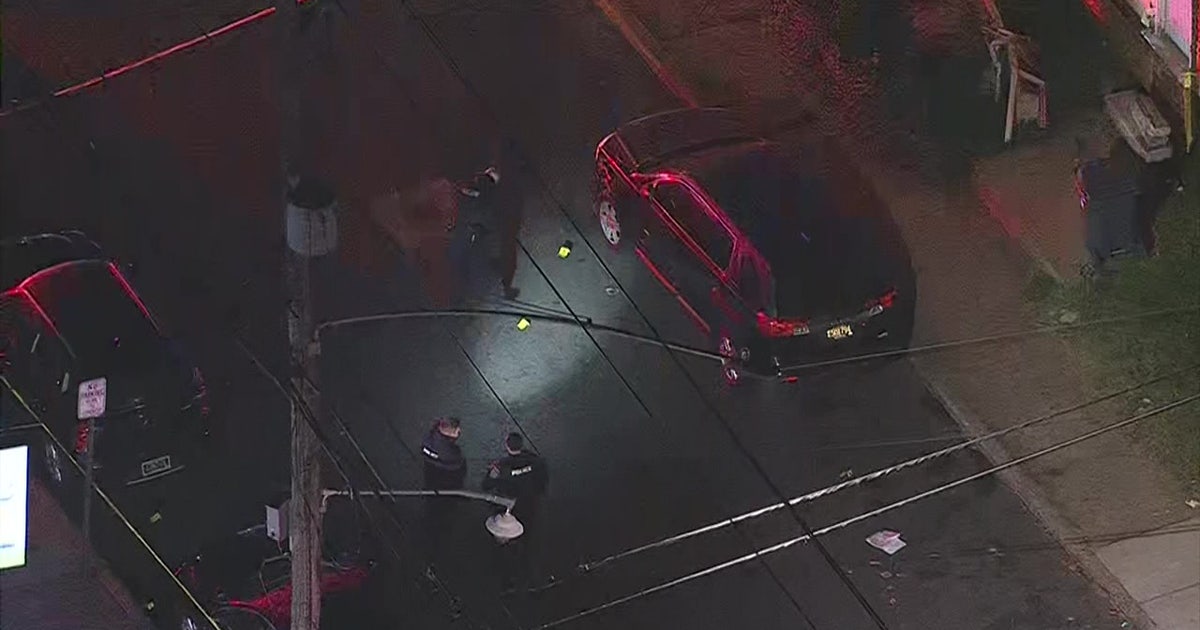
3 Shot in Wilmington Triple Shooting, One Man Dead
Three people were shot Tuesday night on the 2300 block of Jessup Street in Wilmington, leaving a 27-year-old...

IMAGE Studios Signs 5,300 SF Lease at The Hartford in Clarendon, VA
"The Hartford gives our professionals exactly what they need to succeed: a highly visible Clarendon address right next...
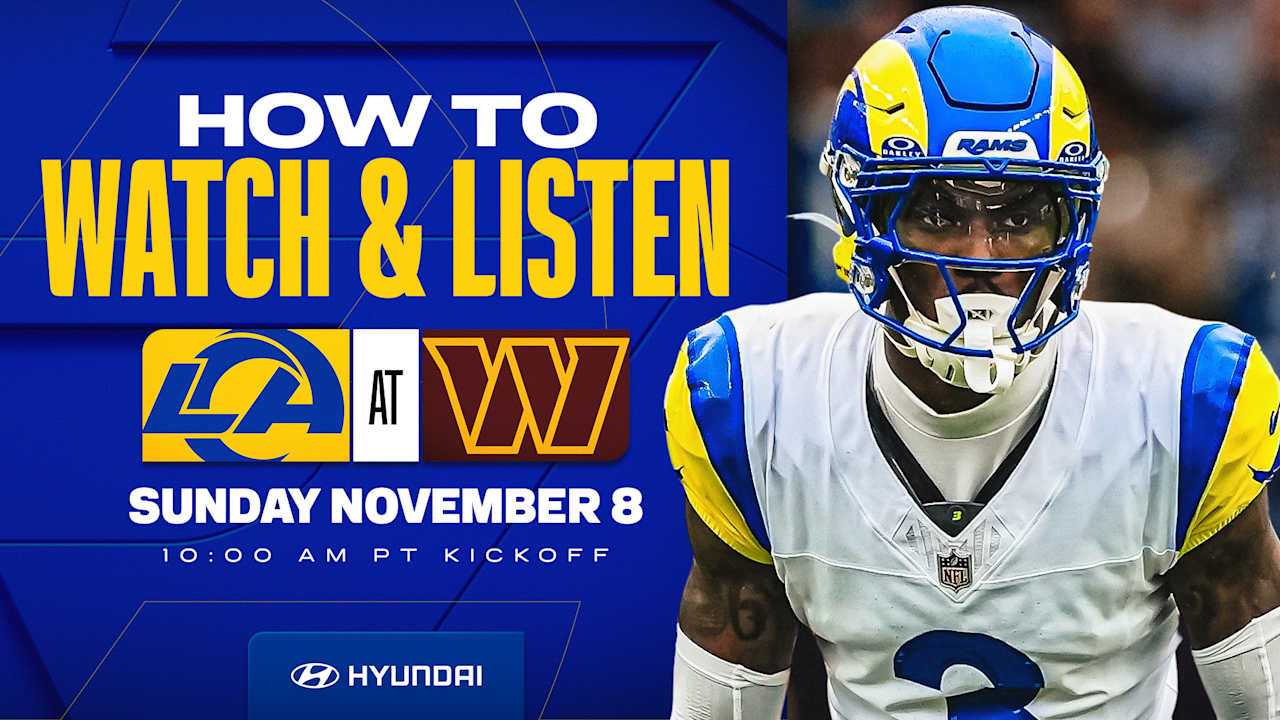
The Los Angeles Rams travel to Northwest Stadium in Landover, Maryland, on Sunday to face the
The Los Angeles Rams travel to Northwest Stadium in Landover, Maryland, on Sunday to face the Washington Commanders,...