
The Senate passed the Bipartisan American Affordability and Jobs Act on Thursday in a 62‑33 vote, sending the most sweeping permitting overhaul in a decade to the House.
The legislation rewrites environmental review timelines for power plants, transmission lines, pipelines and mines, and it adds a provision requiring data centers to cover the cost of the new electricity they demand. Fifteen Democrats joined nearly every Republican to clear the 60‑vote threshold, while 31 Democrats and two Republicans — Josh Hawley of Missouri and Mike Rounds of South Dakota — voted no.
“If we want life to be more affordable in America, we need to make it more affordable to build in America,” Sen. John Barrasso of Wyoming said on the floor this week. He argued the bill keeps environmental safeguards while ending the “regulatory penalty box” that stalls projects for years.
FOLKS: HE'S TELLING YOU WHAT I'VE BEEN WARNING ABOUT FOR WEEKS. BAAJA IS NOT AN END TO HIS WAR ON CLEAN ENERGY – IT'S A COUP FOR HIS FOSSIL FUEL AGENDA, AND A HEAD FAKE FOR DEMS GULLIBLE ENOUGH TO BELIEVE HE WILL SOMEHOW START PERMITTING RENEWABLES. WAKE UP! https://t.co/XP1BiFMEZV
Majority Leader John Thune called the vote “years in the making.” The measure now heads to a House that approved a narrower, industry‑focused version last year, setting up negotiations over whether the Senate’s data‑center language and tighter judicial‑review limits survive.
The vote breakdown
Cloture passed Monday 70‑27, showing a wider coalition for moving the bill than for final passage. The 62‑33 tally Thursday reflected late pressure from progressive Democrats and environmental groups who argued the deal was rushed through a lame‑duck session without amendment votes.
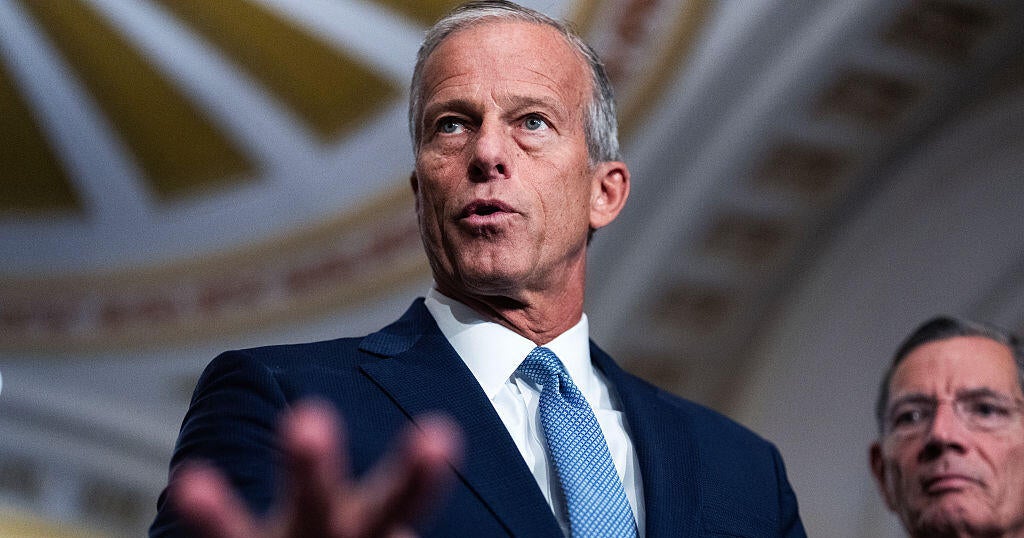
Sen. Ron Wyden of Oregon sought an amendment to ban data centers on public lands; Sen. Jeff Merkley, also of Oregon, warned the bill would “promote the burning of more fossil fuels” while doing too little for renewables. Both amendments were blocked by Republican leadership.
What the bill changes
The act compresses National Environmental Policy Act reviews to a two‑year target for major projects, sets a 150‑day statute of limitations for legal challenges, and limits courts to reviewing the administrative record rather than taking new evidence. It also codifies a “one federal decision” framework so multiple agencies issue a single permit.
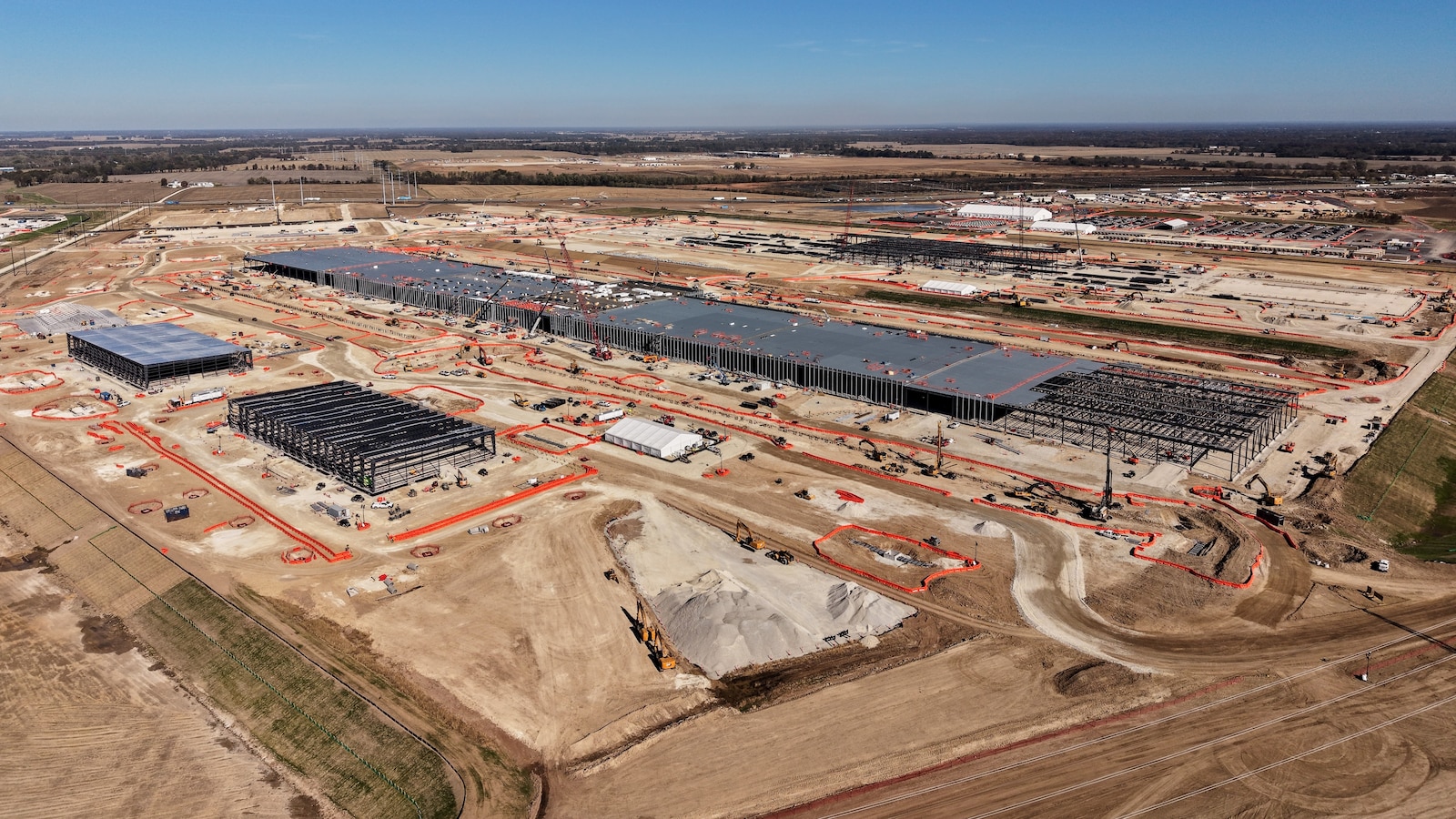
For the first time, data centers above a defined load threshold must demonstrate they have secured generation and transmission before interconnecting — a response to utility commission complaints that hyperscale facilities are driving up residential rates in the Mountain West and Virginia.
The Senate is now voting on the motion to proceed to H. R. 2347, the Bipartisan American Affordability and Jobs Act of 2026.
Reaction from Wyoming and the West
Sen. Cynthia Lummis and Sen. Alan Armstrong (R‑OK) had urged passage in recent press releases, saying Wyoming’s wind, uranium and gas resources sit stranded behind decade‑long queues. The Petroleum Association of Wyoming and the Wyoming Mining Association backed the bill, as did several building‑trade unions.
South Dakota’s Rounds broke with his regional peers, telling KOTA he voted no twice because the bill “does not protect South Dakota’s regulatory oversight and landowner rights.”
Environmental and tribal concerns
“Make no mistake: This backroom deal will pave the way for even more fossil fuel projects like gas power plants for data centers, oil and gas pipelines and LNG terminals while sacrificing fundamental public health and environmental protections for communities across the U.S.,”
Merkley and Wyden also raised tribal‑consultation gaps, arguing the compressed timelines shrink the window for meaningful government‑to‑government negotiation on projects crossing reservation lands.
Barrasso, a native of Reading, Pennsylvania, earned his M.D. from Georgetown University in 1978 and practiced orthopedic surgery in Casper for more than two decades before entering the Senate.
He first sought the seat in 1996, losing the Republican primary to Mike Enzi by roughly two percentage points. Appointed in June 2007 after Craig L. Thomas died, he won a special election that November with 73 percent of the vote and has been reelected three times since.
Next steps
House leaders have not scheduled a vote. Speaker Mike Johnson’s caucus is split between members who want the Senate’s data‑center provisions stripped and those who see the bill as a rare bipartisan achievement they can take home.
If the House amends the measure, it returns to the Senate for another vote before reaching President Trump, who has called the act a “BIG WIN for U.S. ENERGY INDEPENDENCE.”
Worth a look

LA County Child Protective Services Worker Charged With Molesting Children He Met on the Job
Los Angeles County child protective services worker Michael Alonso Rose, 45, was arrested Tuesday by LAPD’s Juvenile Division...

Can Your Employer Force You to Take Annual Leave During the December Shutdown?
South African employers can legally compel staff to take annual leave during the December shutdown if no agreement...

1904 Frankfort Mansion Now Books Groups of 14 for Bourbon Trail
A 1904 mansion on Main Street now books groups of 14 for the Bourbon Trail. The property, operated...

Massachusetts Gov. Maura Healey Says Democrats Need ‘Uniter and Fighter’ for 2028
Massachusetts Gov. Maura Healey told POLITICO on Thursday that Democrats need a presidential nominee in 2028 who can...