
More than 90 percent of education leaders surveyed in March of 2026 agree that a fundamental disconnect exists between what is taught in primary and secondary schools and what it takes for students to succeed economically in the future.
Research conducted by Junior Achievement and Basinait Insights highlights this stark finding, pointing to a recognition that although schools can provide strong academic foundations, too many students graduate lacking the skills, experience, and practical exposure needed to turn learning into long-term economic opportunity.
For decades, educational progress has relied heavily on traditional benchmarks like standardized testing, GPA, and graduation rates. While these measures remain important, they no longer tell the full story of student preparedness in a rapidly changing world defined by technological advancement, evolving workforce demands, and increasing economic uncertainty. In response, education leaders are raising broader questions about whether students are truly engaged in their learning.
Student engagement is increasingly viewed as a critical metric for student opportunity and future readiness. Parallel research published on July 28, 2026, by Ipsos and Junior Achievement reveals that teens remain optimistic about their futures despite growing concerns regarding how artificial intelligence might impact their career prospects. Junior Achievement announced an approach on July 2, 2026, to help students succeed in this changing economy, addressing how AI is transforming the world of work.

Junior Achievement’s strategic initiative, Education for What’s Next, emphasizes equipping Generation Z and Generation Alpha with durable skills and experiential learning. By fostering financial capability, career exploration, and entrepreneurial thinking through initiatives evaluated by global research firms like Ipsos, young people can better prepare for an uncertain future of work.
These efforts seek to counter the strain on generational mobility, where a child’s ZIP code, family income, and access to opportunity continue to act as powerful predictors of future outcomes.
Keep reading

How to Correct Errors in Your EPF Account Online: A Step-by-Step Guide
Incorrect Employee Provident Fund details can block retirement claims and freeze fund transfers, forcing subscribers to use updated...

81St Annual Wyoming Valley Veterans Day Parade Held in Kingston and Wilkes-Barre
The 81st annual Wyoming Valley Veterans Day Parade stepped off on November 8, 2026, bringing marching bands, military...
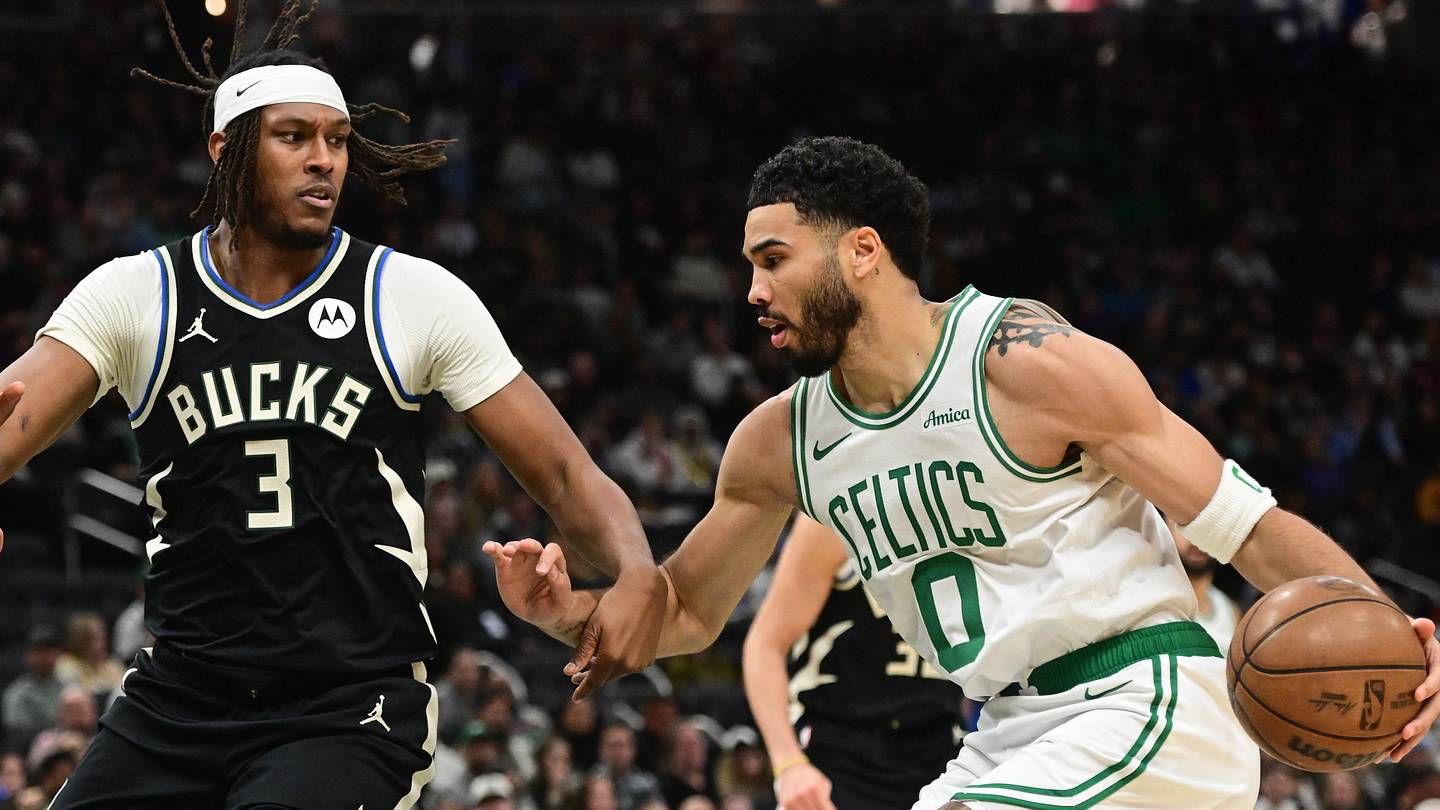
Jayson Tatum Returns as Celtics Face Bucks in Milwaukee Tonight
The Boston Celtics travel to Milwaukee to face the Bucks at Fiserv Forum tonight at 8:00 PM ET,...
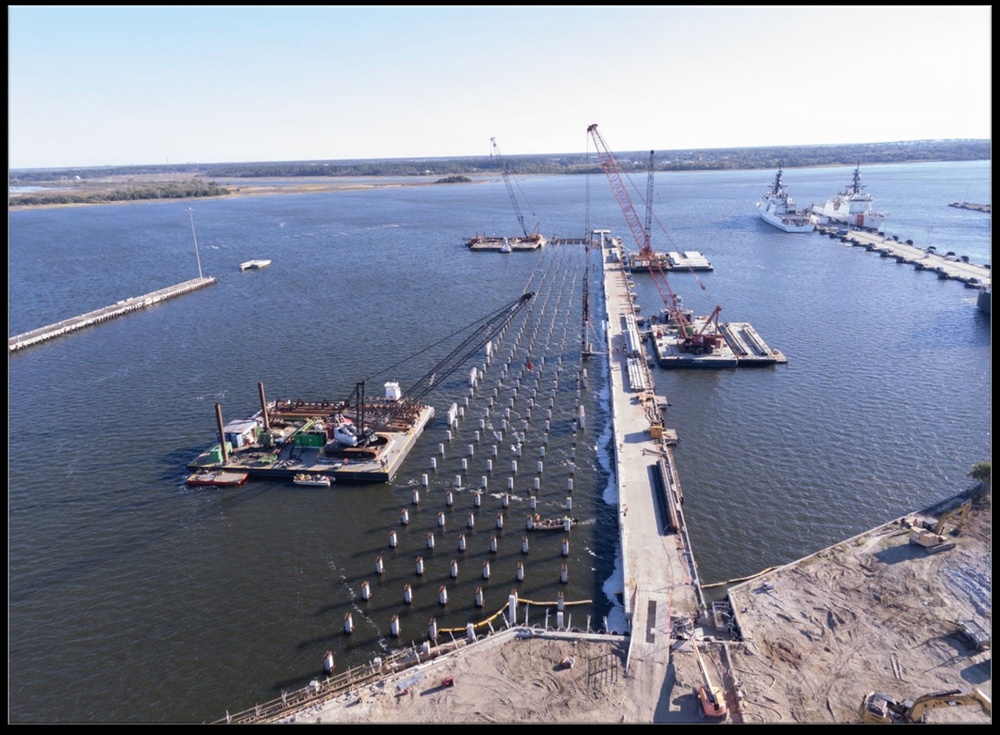
Coast Guard Expands Base Charleston With Major Pier Construction
Coast Guard Base Charleston expands local engineering, support facilities Thirty years after the military closure that reshaped the...