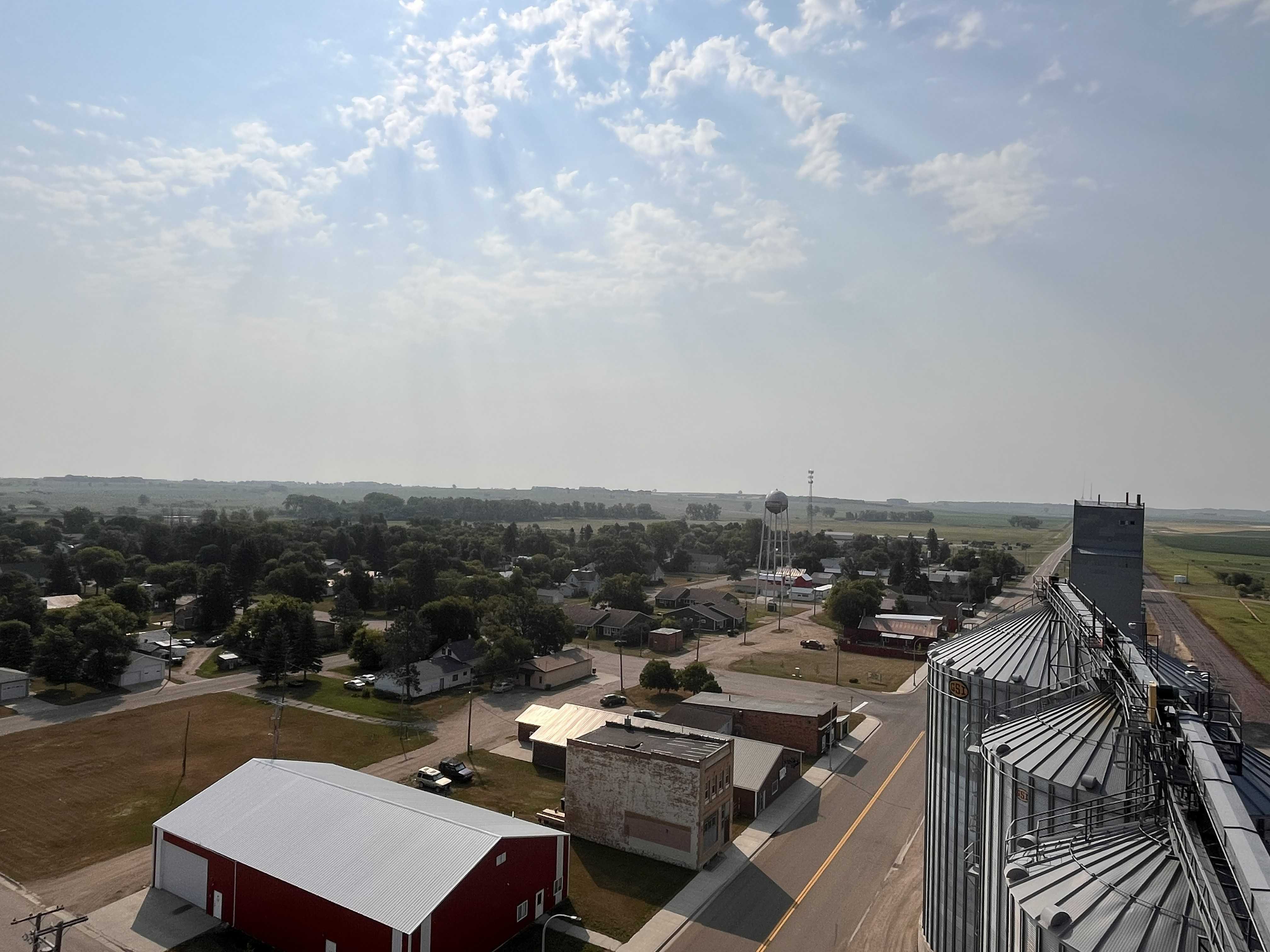
In Sheyenne, North Dakota, the closure of a local grocery store once signaled decline.
For a town of roughly 200 residents, losing a place to buy food changed the community's daily life. Now, a renovated century-old gas station on Main Street serves as a new anchor for a town betting on its own survival.
The project, detailed in an episode of the Reimagine Rural podcast, highlights how grassroots investment and community volunteerism are breathing life back into the prairie. Joanna Larson, a fourth-generation farmer and rancher, spearheaded the effort after years of watching her hometown struggle with the loss of essential services. For Larson, the grocery store is a sacred space.
Joanna Larson said those resources are hard to replace once they’re gone. Her vision for a sustainable, local food source led her to collaborate with Gavin Brown, a contractor who had long harbored a dream of restoring the town’s abandoned 1927 gas station.
The restoration was a two-and-a-half-year mission. To avoid the intense scrutiny that often accompanies construction in a small town, Larson and Brown kept their specific plans for the building a secret. The community, however, remained supportive of the effort to remove an eyesore from their main road. Residents donated funds and time, driven by a shared desire to see the building preserved.
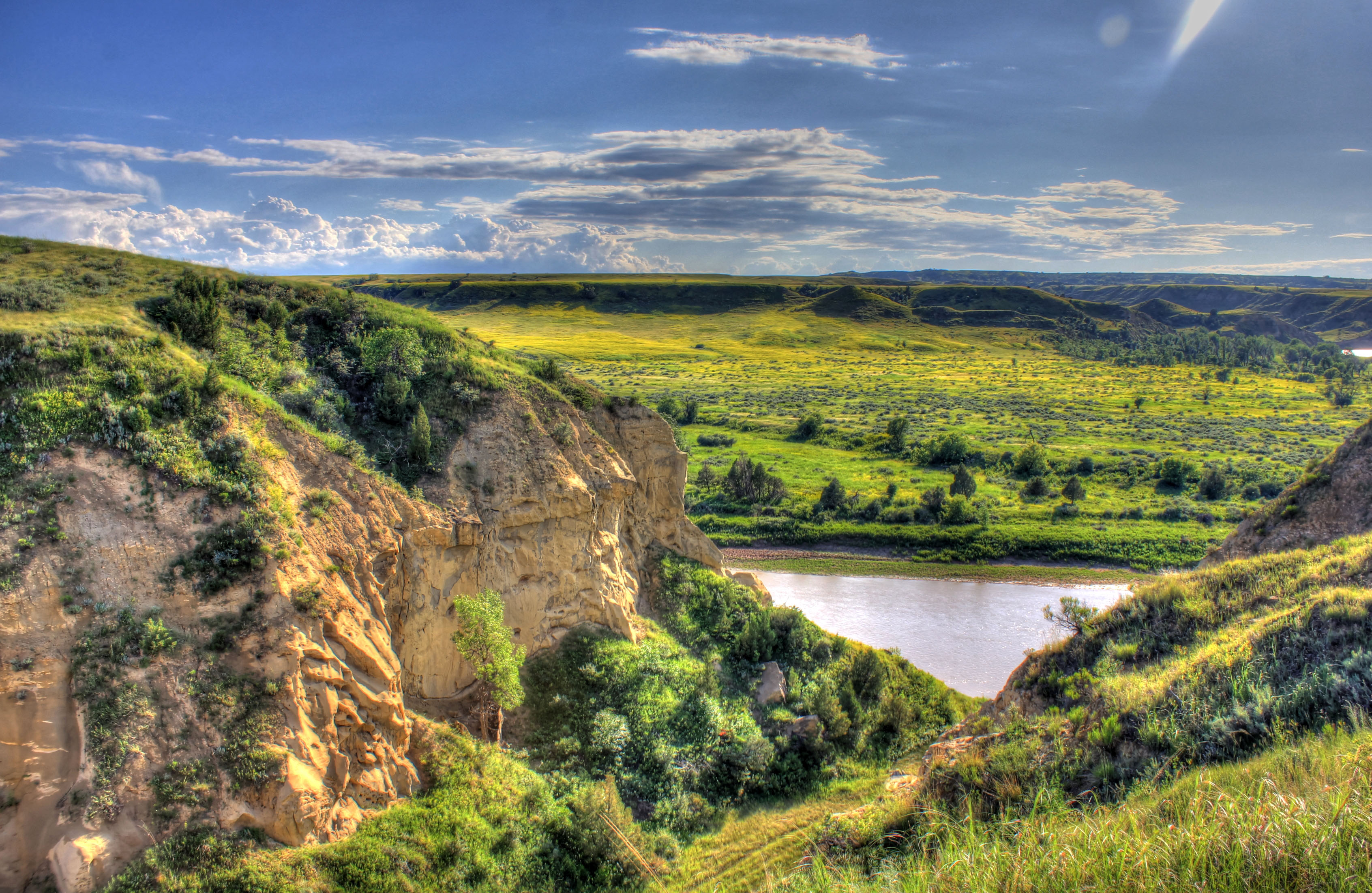
The resulting business, Farmer’s Grocery, operates on an honor system. By utilizing remote door access hardware, the store offers 24/7 service, which helps farmers working long hours or facing unpredictable North Dakota winters. The store stocks local meat, produce, and conventional essentials, attempting to bridge the gap created when the nearest grocery option is 11 miles away.
Larson said she does not take food access for granted at all.
The initiative is part of a broader, ongoing effort to keep Sheyenne on the map. This strategy relies heavily on the town’s brand, which leans into an “Old West” aesthetic.
That identity is bolstered by the Sheyenne Rodeo Club, which has operated since 1954 and hosts events that now draw thousands of visitors annually. In the summer, events like the July 4th rodeo and the August Sheyenne Stampede have seen attendance climb, with last year’s crowds reaching roughly 2,500 people.
The success of these projects is an economic calculation. As rural populations shift and traditional service models fail, towns like Sheyenne are forced to innovate. The transition from a shuttered building to a functional, volunteer-supported market illustrates the tangible human and economic stakes of infrastructure in the American heartland.
However, the model faces significant hurdles. Supply chains in rural areas remain constrained, making it difficult for small stores to source the variety of goods residents need. The project serves as a test case for whether small-scale, decentralized solutions can replace the larger, centralized institutions that once anchored rural America.
As the town looks toward the future, the focus remains on incremental progress. Whether through the revival of a historic gas station or the continued growth of the rodeo, the residents of Sheyenne are betting that their own labor is the most reliable investment available.
Sharon Whitmer, secretary of the Sheyenne Rodeo Club, said she thinks that is what makes it exciting and so rewarding when you can see that happen.
Worth a look

Rhode Island Homeschooling Requires Local Approval and Planning
Rhode Island families choosing to educate their children at home carry the responsibility for local approval, instruction planning,...

South Carolina Softball Signs 2028 Recruiting Class
South Carolina softball head coach Ashley Chastain Woodard announced the signing of five high school student-athletes who will...

Alvernia Women’s Basketball Falls to Ursinus 71-49
The Alvernia University women’s basketball team faced a challenging night on the road Wednesday, falling 71-49 to the...
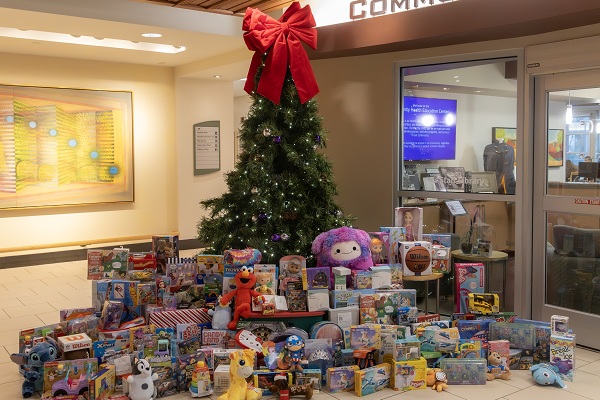
2026 Salem Health Holiday Drive kicks off Nov. 16
The Salem Health holiday drive officially begins on November 16, marking the start of a multi-week effort to...