Shinsuke Nakamura’s SmackDown Victory Signals a Shift in Tag Team Dynamics
The blue brand’s march toward Crown Jewel 2026 hit a fever pitch on the November 6 edition of SmackDown, as Shinsuke Nakamura secured a critical singles victory over Tama Tonga of The MFTs. While the match served as an intense, high-octane sprint that pushed their ongoing feud into new territory, the broader narrative—as reported by Bleacher Report—suggests that the outcome may have significant repercussions for the WWE Tag Team Championship landscape. With the MFTs unable to capitalize on the ringside presence of Talla Tonga and Haku, Nakamura’s victory stands as a testament to individual momentum overriding stable interference.
Shinsuke Nakamura wins against Tama Tonga!#SmackDown pic.twitter.com/X7rpS3ZiGg
According to WWE’s official report of the event, the physical stakes were set early. The match bypassed traditional technical exchanges in favor of an immediate, aggressive striking contest. The interference of Talla Tonga, who landed a boot to Nakamura’s face while the referee was distracted, failed to provide the necessary edge for Tama Tonga. Ultimately, it was a moment of tactical precision—Kyoki’s attempt to reclaim the sacred Tongan Staff—that provided the opening for Nakamura to land the decisive Kinshasa. This win, explicitly framed as a victory on behalf of Bakusai, underscores the escalating conflict between these factions as they approach the premium live event.
The Business of Brutality and Brand Equity
Beyond the choreography of the ring, the November 6 broadcast highlighted the ruthless nature of WWE’s current storytelling architecture. The show was marked by a series of high-stakes confrontations, including an explosive melee between Finn Bálor and Gunther and a violent, referee-stopped bout between Damian Priest and Nathan Frazer. The latter, which saw Priest deliver a Razor’s Edge onto the announce table, reflects a trend in modern sports entertainment: the increasing reliance on extreme physicality to drive audience retention across diverse distribution channels like Netflix, the USA Network, and the ESPN App.
“The physical escalation we are seeing across the board is a direct response to the heightened expectations of a global audience that demands consequence-driven storytelling,” notes an industry analyst tracking the transition of WWE’s programming to multi-platform streaming models.
This strategy of “event-sized” moments is not merely for show. As the industry shifts further toward SVOD (Subscription Video on Demand) and digital broadcast integration, the value of each segment is measured by its ability to generate social media velocity and long-term IP engagement. When Damian Priest brutalizes an opponent to the point of a stoppage, or when Charlotte Flair returns to confront Jade Cargill, the objective is to solidify the brand equity of these performers in a crowded entertainment market where viewer attention is the most scarce commodity.
Consumer Stakes and the Road to Crown Jewel
For the average consumer, these storylines represent more than just a weekly broadcast; they are the foundation of a multi-billion-dollar ecosystem. The integration of WWE content into the Netflix library and various other networks has democratized access, but it has also increased the pressure on creative teams to deliver “must-see” moments every Friday. The tension between creative integrity—the need for logical, character-driven progression—and the necessity of corporate profitability is palpable in every segment.
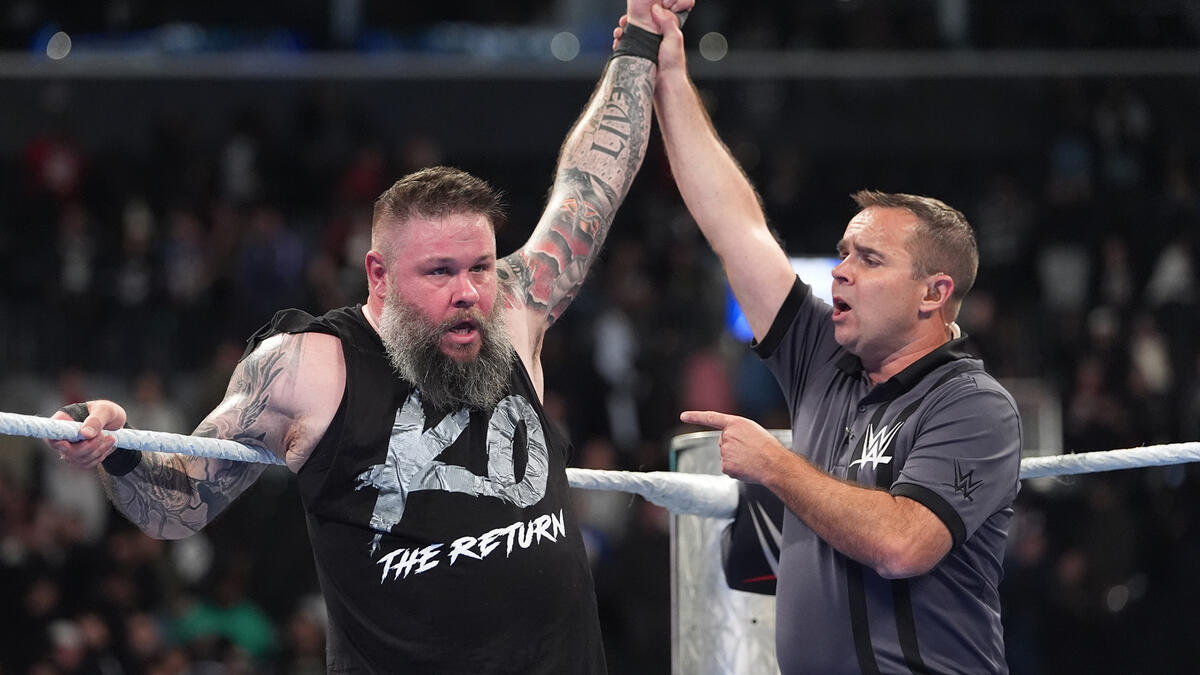
As the company prepares for Crown Jewel, the unresolved friction between figures like Roman Reigns and the various factions vying for control suggests that the current intensity is a strategic calibration. Whether these rivalries result in long-term syndication value or remain short-term spikes in interest remains the central question for stakeholders. The return of Charlotte Flair and the ongoing war between Kevin Owens and CM Punk, which culminated in a No Holds Barred match, indicate that the promotion is leaning into high-impact, high-stakes narratives to maintain its dominant position in the entertainment sector.
With the dust settling on this week’s SmackDown, the path to the next major event is clear, yet the ultimate direction of the tag team division remains in flux. Nakamura’s win has effectively set the stage for a potential title rematch, yet the involvement of auxiliary members like Talla Tonga and Haku keeps the outcome of any future encounter uncertain. As the industry continues to evolve, the ability of these performers to balance technical prowess with the demands of a global, streaming-first audience will determine the next chapter of this franchise.
Disclaimer: The cultural analyses and financial data presented in this article are based on available public records and industry metrics at the time of publication.
Keep reading

Amy Mitchell to temporarily exit EastEnders after Craig Ingram’s death
Amy Mitchell Departs Walford Following the Death of Craig Ingram The long-running BBC drama EastEnders has confirmed that...

Soap Star Morgan Fairchild, 76, Joins OnlyFans to Share Personal Content
Morgan Fairchild, the 76-year-old actress known for her roles in primetime soaps and her appearance as a novelist...

Breege Coyle of Newline Dies in Belmullet surrounded by family
Breege Coyle of Dooyork Dies Breege Coyle, née Kennedy, has died at Áras Deirbhle in Belmullet. Midwest Radio...

Macklemore Claims Nine Major U.S. Arenas Refused to Host Free Palestine Tour
Macklemore and the Closed Doors of Nine Major U.S. Arenas Macklemore is facing a standoff with the American...