
Little Rock Dining and Data Privacy
The Arkansas Times recently highlighted the intersection of community culture and digital transparency in Little Rock, focusing on how local establishments navigate the complexities of data collection. While the city remains a hub for good food and social gatherings, the underlying mechanics of how websites—including those for local restaurants and media outlets—handle visitor information have become a central point of discussion for residents and business owners alike.
The Mechanics of Digital Consent
In an era where digital presence is synonymous with business success, the technology used to manage user interaction is increasingly scrutinized. The Arkansas Times reported that many platforms now utilize cookies and similar tracking technologies to store device information, a practice intended to enhance user experience. By consenting to these technologies, users allow websites to process data, including browsing behavior and unique IDs.
For the average diner in Little Rock checking a restaurant’s menu or hours online, this often manifests as a prompt asking for permission to track preferences. The technical storage of this data serves several purposes, ranging from the strictly necessary—such as maintaining a user’s language settings or shopping cart status—to statistical analysis aimed at understanding site traffic.
Balancing Personal Privacy and Targeted Marketing
The stakes for the average consumer involve a balance between convenience and anonymity. When users decline to consent, they may find that certain features of a website become less responsive or fail to function as intended. This creates a friction point for local businesses that rely on these digital tools to reach their customer base.
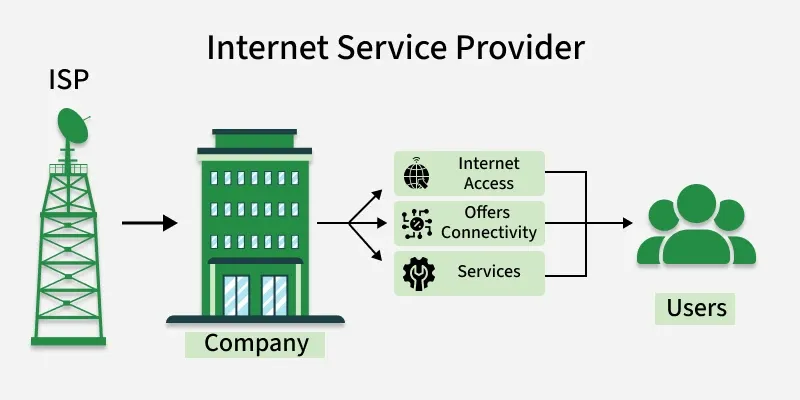
According to industry standards, the technical storage used for statistical purposes is often anonymized, meaning that without a subpoena or voluntary compliance from an Internet Service Provider, this information generally cannot be used to identify a specific individual. However, the landscape shifts when the data is used for marketing. Tracking users across multiple websites to build profiles allows for targeted advertising, a practice that remains a point of contention for privacy advocates.
The Regulatory Framework for Arkansas Businesses
Small businesses in Little Rock are often caught in the middle of these evolving digital policies. They must ensure their online platforms remain functional while adhering to the expectations of their customers regarding data protection. The technical storage or access required to create user profiles for advertising is distinct from the storage required for the basic transmission of communications over an electronic network.
For the reader, the lesson is clear: the digital storefront is just as regulated as the physical one. As diners continue to support the local economy, the way they interact with these businesses online will continue to be mediated by the consent banners and data policies that define the modern internet. Understanding these mechanisms ensures that the good times and good food found in Little Rock are enjoyed with a full awareness of the digital footprint left behind.
Related reading

Sterlington woman dies in Claiborne Parish collision with school bus
A 35-year-old Sterlington woman died Thursday afternoon following a two-vehicle collision in Claiborne Parish. Louisiana State Police Troop...
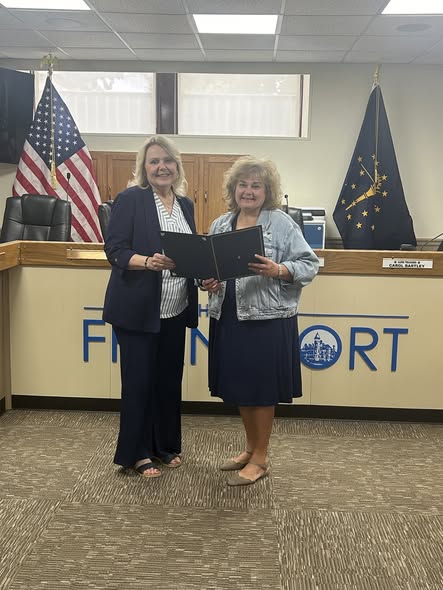
Mayor Proclaims November 1 as Extra Mile Day in Frankfort
Frankfort Honors Community Volunteers with Extra Mile Day “We live in a world that claps for fame,” says...

Cowboys staff offer predictions for Cowboys vs. Colts Matchup
Staff Predictions for Cowboys-Colts Sunday Matchup As the Dallas Cowboys prepare to host the Indianapolis Colts this Sunday,...
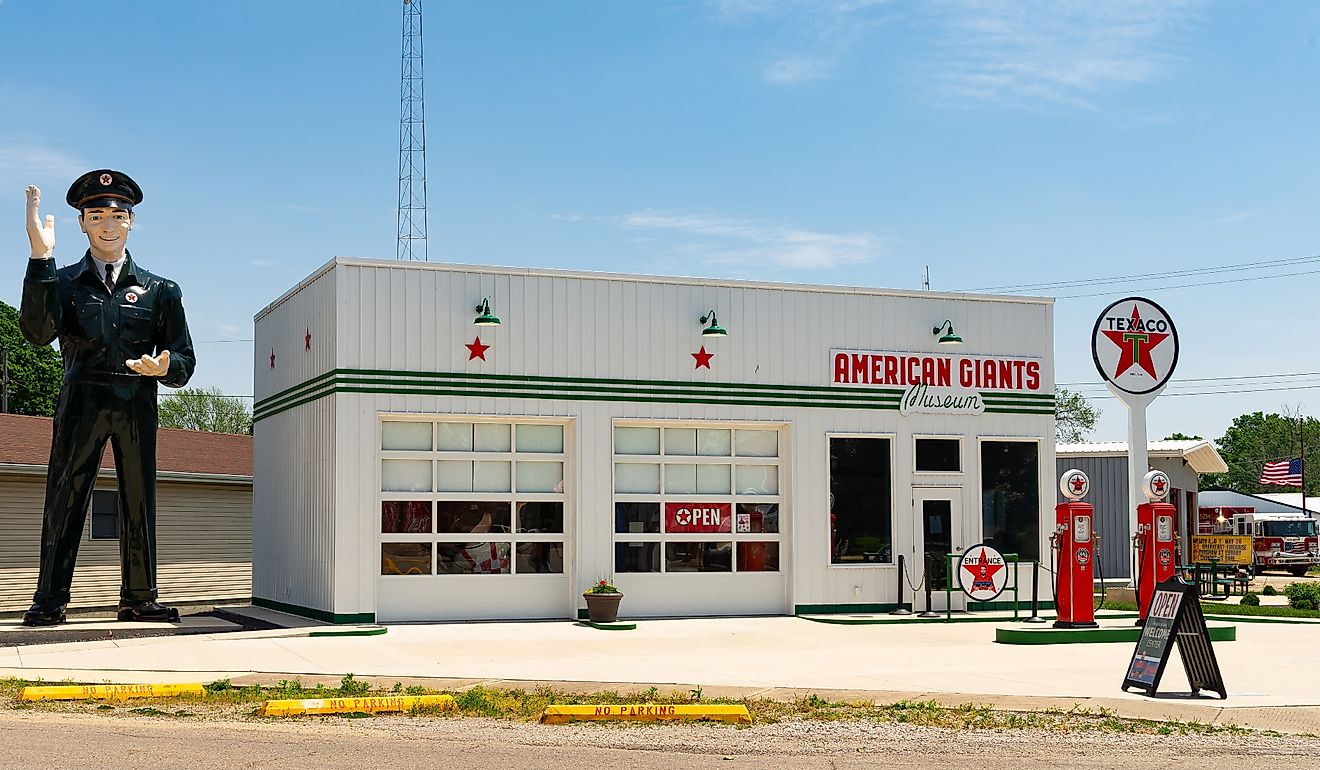
7 Unique Small Towns in Illinois With Larger-Than-Life Identities
Beyond the Skyscrapers: The Peculiar Identity of Illinois Small Towns When most people think of Illinois, their minds...