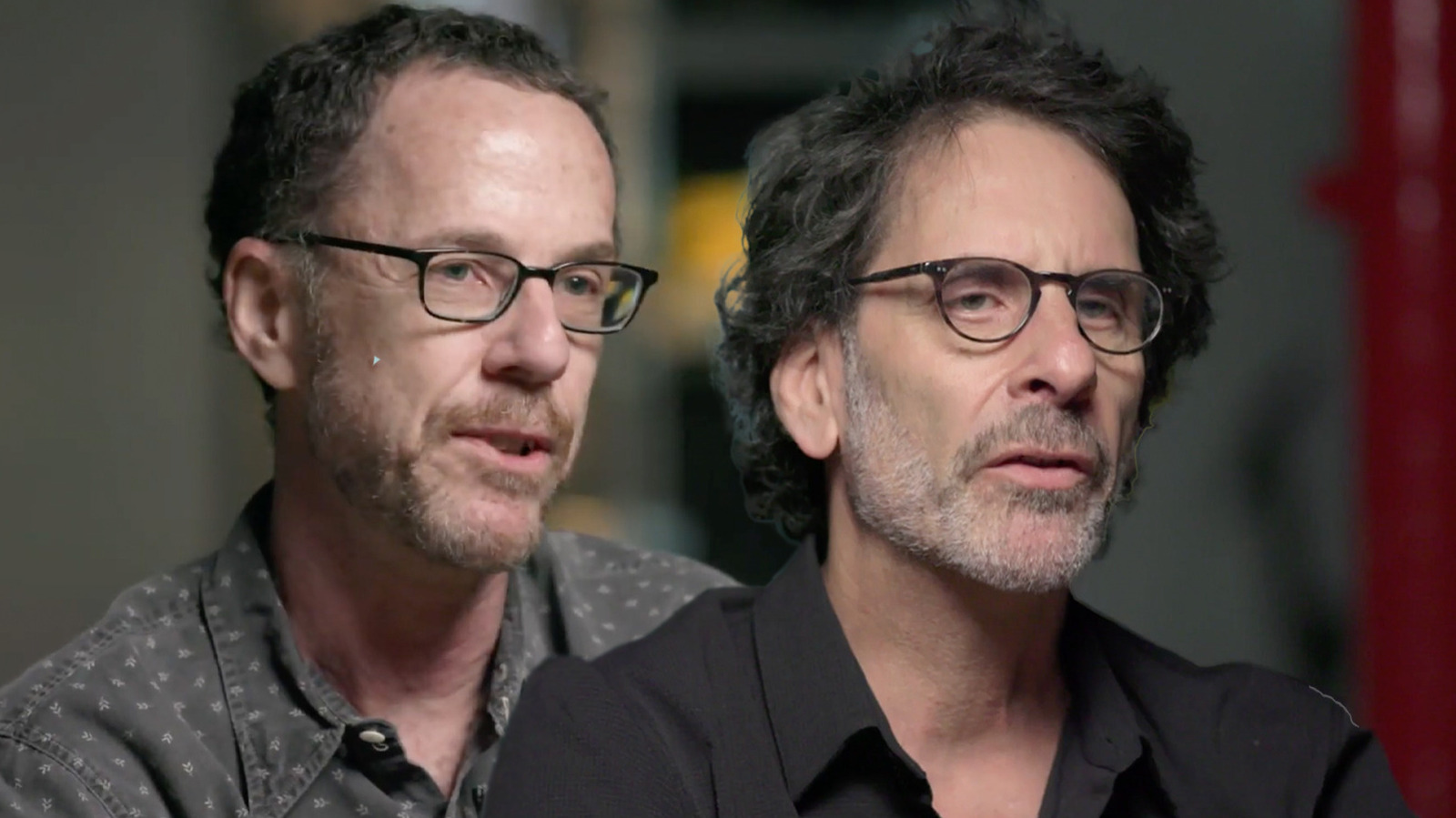
SlashFilm has ranked the greatest directing duos in cinema history, spotlighting partnerships where sustained collaboration produced distinct visual languages that solo filmmakers rarely replicate.
Jeunet, Caro and Disney veterans round out the list
At number ten sit Jean-Pierre Jeunet and Marc Caro, whose two features — Delicatessen and The City of Lost Children — fused grotesque production design with unexpected tenderness. “It makes for a fascinating what-if, as nobody has quite matched the blend of cruelty and tenderness the two cooked up together,” SlashFilm said.
John Musker and Ron Clements land at nine. The Disney veterans directed The Great Mouse Detective, The Little Mermaid, Aladdin, Hercules, Treasure Planet, The Princess and the Frog, and Moana across more than three decades.
Their films anchored the studio’s renaissance with musical numbers that advanced plot and humor that never smothered pathos. The pair retired after Moana, which SlashFilm said spawned a “widely criticized, remarkably premature live-action remake — part of a trend the pair described as ‘bemusing.'”
Joe and Anthony Russo occupy the eighth slot. Post-Marvel efforts like Cherry and The Gray Man struggled creatively, though their company AGBO produced Everything Everywhere All at Once. They return to the franchise with Avengers: Doomsday slated for December 2026.

Justin Benson and Aaron Moorhead sit at seven. The duo — Benson writes, Moorhead shoots, both direct and act — built a shared cosmic-horror mythology across Resolution (2012), Spring (2014), The Endless, Synchronic, and Something in the Dirt. Marvel tapped them for Moon Knight, Loki season two, and the creative overhaul of Daredevil: Born Again.
The Daniels — Daniel Kwan and Daniel Scheinert — rank sixth. A next film with Matt Damon is in development.
Phil Lord and Christopher Miller take fifth. From Clone High to Cloudy with a Chance of Meatballs, 21 Jump Street, and The LEGO Movie, they specialized in elevating “franchise mediocrity” into inventive crowd-pleasers. Fired from Solo: A Star Wars Story late in production, they later produced Spider-Man: Into the Spider-Verse and adapted Andy Weir’s Project Hail Mary (2026), which grossed roughly $685 million worldwide.
Lana and Lilly Wachowski anchor the top four. Bound announced their formal command; The Matrix (1999) fused Hong Kong action, anime aesthetics, and cyberpunk philosophy into a defining blockbuster. Subsequent swings — Speed Racer, Cloud Atlas, Sense8 — flopped initially but gained retrospective acclaim for formal audacity.
Why the duo model endures
The trade-off is friction — creative disputes, credit ambiguity, and the risk that a split leaves both diminished, as with Jeunet and Caro.
Industry observers note the model is expanding beyond features. The Daniels’ Oscar win signaled academy recognition that the “director” credit can legitimately belong to a collective.
Phil Lord and Christopher Miller met at Dartmouth College, where both contributed to the satire magazine Jack-O-Lantern. A Disney development deal followed after Michael Eisner noticed a campus profile of Miller, who insisted Lord join the meeting.
They co-created and co-starred in the adult animated series Clone High (2002–2003, revived 2023–2024) before directing Cloudy with a Chance of Meatballs (2009) and The Lego Movie (2014). For co-producing Spider-Man: Into the Spider-Verse (2018), they won the Academy Award for Best Animated Feature.
SlashFilm’s ranking stops at ten, but the conversation it restarts — who counts as an author when the camera rolls — has no fixed endpoint.
Worth a look

Jazz Shopping Isaiah Collier to Teams; Chicago Declined Swap Offer
Utah has declined a $4.99 million team option on Isaiah Collier, making the 22-year-old guard an expiring $2.7...

UNM Health Opened Two Clinics in October in Albuquerque, Reports Journal
"Albuquerque in general, but particularly this area, is really underserved for primary care," Dr. Rebecca Ryan, the Sandia...

South Carolina State Secured 26-16 Victory Over Delaware State in MEAC Finale
South Carolina State secured a 26-16 victory over Delaware State in the MEAC football season finale on Saturday....
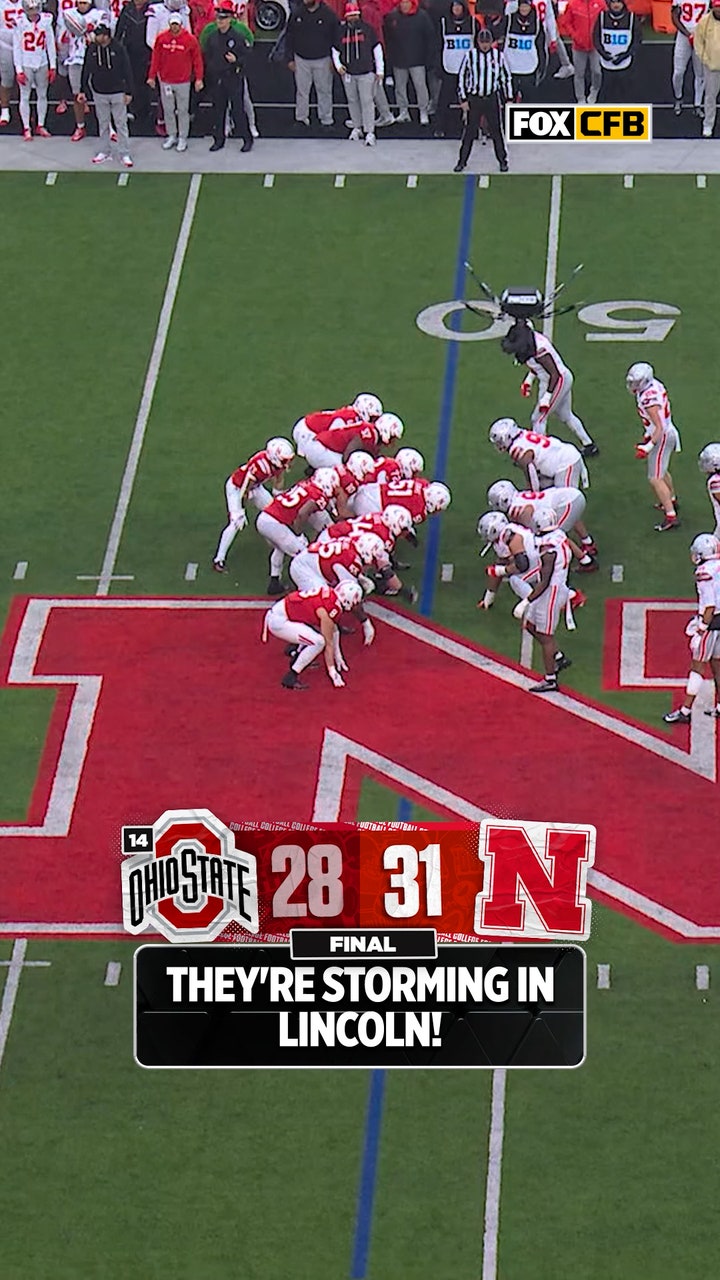
Nebraska Fans Stormed Field After Defeating Ohio State on Nov 21, 2026
Nebraska defeated Ohio State on Saturday, holding on to stretch their fourth-quarter lead to 10 points after a...