
The S&P 500 plunged 3.7% Friday, breaking its 200-day moving average and pushing the benchmark more than 10% below its recent peak to confirm a correction.
-
The Bottom Line:
- The S&P 500 is officially in correction territory, down over 10% from its high after Friday’s 3.7% drop shattered the 200-day moving average.
- Yardeni Research President Ed Yardeni calls the selloff overdone, citing resilient earnings and cheaper valuations, but warns no immediate catalyst exists for a V-shaped bounce.
- The Federal Reserve’s December 9 decision looms as a near-term risk, with the fed funds rate at 3.75%-4.00% and Governor Christopher Waller raising the possibility of a half-point rate hike in December.
Ed Yardeni, president of Yardeni Research and a long-standing Wall Street bull, argues investors are panicking prematurely. “Look, the only concern that I would have is if any of this was going to lead to a recession… I think this is a correction and not a bear market,” he told CNBC, according to BeInCrypto.
His conviction rests on healthy corporate earnings and valuations that have compressed to more attractive levels. Yardeni maintains his target for the S&P 500 to reach 8,500–9,000 by the end of 2027, though he concedes the path back will likely be slower than last year’s snap-back after the Liberation Day tariff reversal.
An ugly session is getting even uglier into the close as adverse technicals take hold and totally sideline fundamentals for many stocks: • Nasdaq down more than 5% • VIX surging to almost 40 • Yet the 10-year yield down to just 4.93% Two key questions for the weekend: How… pic.twitter.com/UhtvCoKElS
Fed Policy Overshadows Valuation Argument
The bullish case faces a formidable headwind: the Federal Reserve. Governor Christopher Waller struck a distinctly hawkish tone this week. “I’m very, very concerned about inflation. It’s kind of headed in the wrong direction, and it’s spreading out,” he told CNBC. Waller explicitly raised the possibility of a half-point rate increase at the December 9 meeting, where the fed funds rate currently sits at 3.75% to 4.00%.
Minutes released November 18 showed almost all Fed officials saw further rate increases as likely appropriate in the months ahead, Benzinga reported. Futures markets on that same day priced a December hike as close to certain. UBS strategist David Lefkowitz adds to the caution, expecting slower growth and weaker AI spending ahead.
The current drawdown of -12% is a run-of-the-mill correction for the US equity market. The S&P 500 has returned an average of 10% per year since 1928 despite an average intra-year drawdown of -16%. There would be no upside without this occasional downside. No risk, no reward. pic.twitter.com/ljiFnrgOUo
Technical Damage and Historical Context
Friday’s breach of the 200-day moving average carries technical weight. That level often serves as the last line of defense for long-term trend followers; a decisive close below it tends to trigger systematic selling from momentum and risk-parity funds.
Benzinga said that declines of 5% or more have historically hit the S&P 500 in most calendar years, but the combination of a more aggressive Fed and a deeper slide in technology stocks could determine whether this stays a correction or morphs into something worse.
Consumer sentiment offered a lone bright spot. U.S. consumer sentiment rose roughly 7% in November to its highest level since August. Yet that data predates the latest inflation prints that will feed the Fed’s December calculus.
The S&P 500's forward 12-Month P/E ratio has moved down to 17, its lowest level in over 3 years. So why are we seeing panic selling today? As @cullenroche once said: "The stock market is the only market where things go on sale and all the customers run out of the store." pic.twitter.com/Qe0aLWfNKI
Main Street Impact: 401(k)s and Borrowing Costs
For the average American, the correction translates directly to retirement account balances. A drop in the S&P 500 shaves roughly a significant amount off a six-figure equity portfolio. More critically, the prospect of additional rate hikes pushes mortgage rates, auto loans, and credit card APRs higher. The 30-year fixed mortgage rate, already hovering near 7%, could climb further if the 10-year Treasury yield sustains higher levels on hawkish Fed rhetoric.
Small businesses reliant on floating-rate debt face immediate margin compression.
There's an old saying that nothing good happens below the 200-day MA 17 of the 20 largest drops ever for the S&P 500 started below the 200-day pic.twitter.com/8wRz4xbySU
The December 9 Inflection Point
All eyes turn to the Federal Open Market Committee meeting on December 9. If aggressive rate hikes push the economy toward recession, Yardeni’s expected market recovery could become much harder to achieve, undermining his valuation outlook. Conversely, a hold with dovish language could trigger a violent short-covering rally.
Waller’s “spreading out” comment suggests core services ex-shelter remains sticky.
The correction is less about the drop and more about whether the cost of capital has structurally reset.
Disclaimer: The information provided in this article is for educational and market analysis purposes only and does not constitute financial, investment, or legal advice. Always consult with a certified financial professional before making investment decisions.

Jazz Shopping Isaiah Collier to Teams; Chicago Declined Swap Offer
Utah has declined a $4.99 million team option on Isaiah Collier, making the 22-year-old guard an expiring $2.7...

UNM Health Opened Two Clinics in October in Albuquerque, Reports Journal
"Albuquerque in general, but particularly this area, is really underserved for primary care," Dr. Rebecca Ryan, the Sandia...

South Carolina State Secured 26-16 Victory Over Delaware State in MEAC Finale
South Carolina State secured a 26-16 victory over Delaware State in the MEAC football season finale on Saturday....
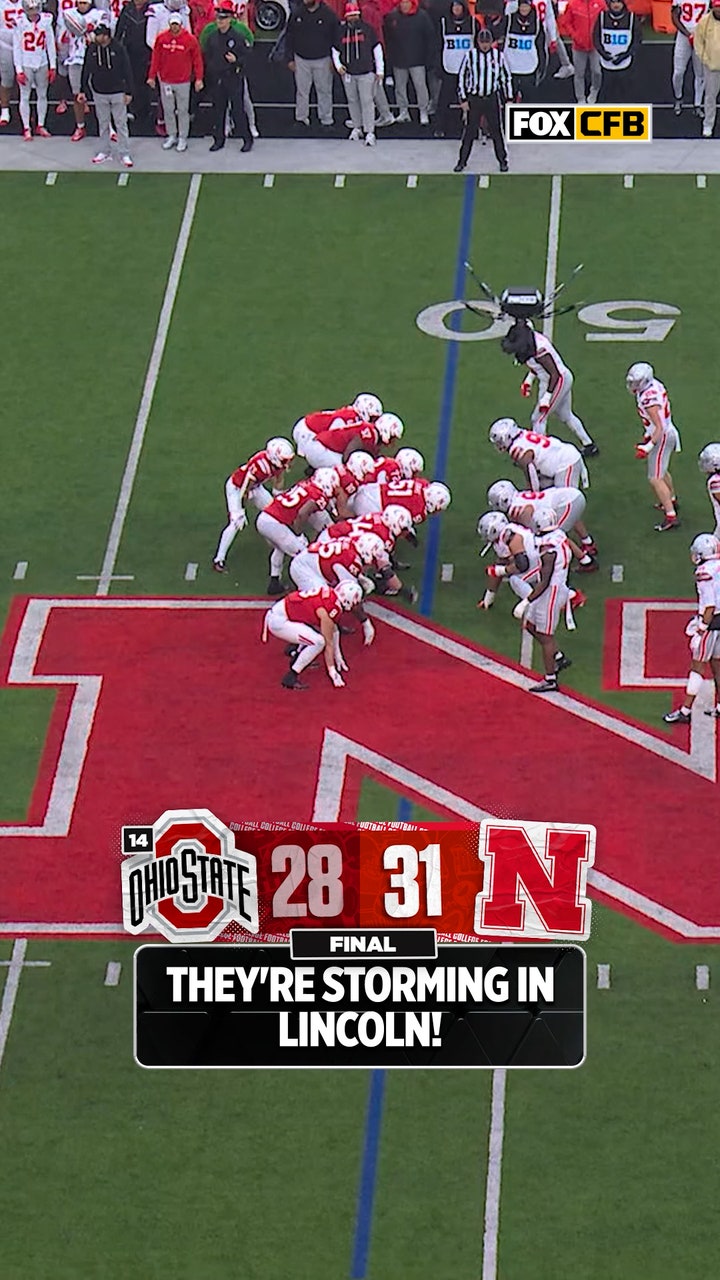
Nebraska Fans Stormed Field After Defeating Ohio State on Nov 21, 2026
Nebraska defeated Ohio State on Saturday, holding on to stretch their fourth-quarter lead to 10 points after a...