The sleep supplement industry is moving away from one-size-fits-all formulas toward personalized formulations matched to specific sleep phenotypes, according to a new digital magazine from SupplySide Supplement Journal.
The publication outlines how research is challenging the long-standing “more is better” approach to dosing, particularly for melatonin, while positioning magnesium as a complementary ingredient rather than a competitor.
For years, the category operated on the premise that higher milligram doses yielded better results, pushing melatonin levels from 1 mg to 10 mg and beyond. A counter-trend is now emerging around microdosing, with formulators and brands being urged to rethink the “bigger is better” mentality in favor of precision, transparency and what actually works.
At the same time, different forms of magnesium — from bisglycinate to L-threonate to encapsulated formats — are being recognized for delivering distinct benefits for sleep and stress, suggesting the mineral and melatonin may function better as teammates than rivals.

The magazine highlights sleep phenotyping as a science-backed approach that matches ingredients to distinct sleep problems, whether the issue is difficulty falling asleep, staying asleep or waking refreshed. Rather than asking only how someone slept, formulators are learning to ask why, addressing specific patterns such as hyperarousal, fragmented sleep or restless mornings.
Hyperarousal is most frequently caused by excessive cortisol exacerbating a racing, chattering mind, and several ingredients ranging from botanical extracts to melatonin have shown potential in human studies to support specific phenotypes.
Content Director Christine Kapperman writes that sleep has gone from an afterthought to the ultimate biohack, with science confirming what trackers have been telling consumers: not all sleep is created equal. She digs into why deep sleep matters at the cellular level and what formulators need to stay focused on their target audience.
Lisa Schofield explores the trend of formulating for sleep phenotypes, while Kim Decker discovers how formulators are rethinking magnesium to deliver better sleep, not just more of it. Shoshana Pritzker posits that the industry may want to embrace microdosing as the next big shift.
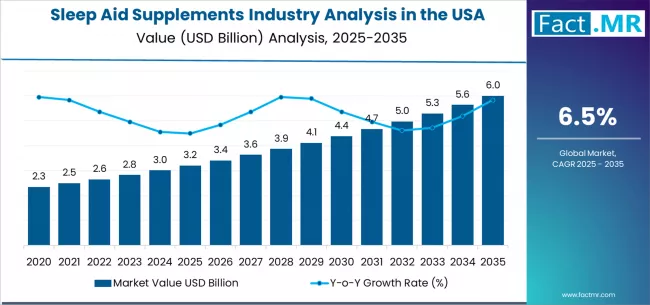
The global sleep-support market size, including but not limited to supplements, was valued at $49.1 billion in 2025 and is projected to reach $53 billion in 2026, according to Grand View Research.
Related reading

Mayo Farmer Sean Coughlan Guilty of 76 Animal Welfare Charges at Roscommon Circuit Court
A jury at Roscommon Circuit Court found Mayo farmer Sean Coughlan and his company Coughlan Farming Ltd guilty...

Psilocybin Dose May Improve Depression in Sweden Trial Says Science Daily
A single 25-milligram dose of psilocybin cut average depression scores by 9.7 points within eight days, compared with...

Congress Urged to Redirect Flood Funds to Peace Programs in Mindanao
“Every peso here is an investment in stability,” Presidential Peace Adviser Mel Senen Sarmiento said, as he urged...

Supreme Court Finds Wilful Disobedience in Thirupparankundram Deepam Row, Orders Lighting on Saturday
The Supreme Court on Friday found prima facie wilful disobedience of its order permitting the ceremonial Karthigai Deepam...