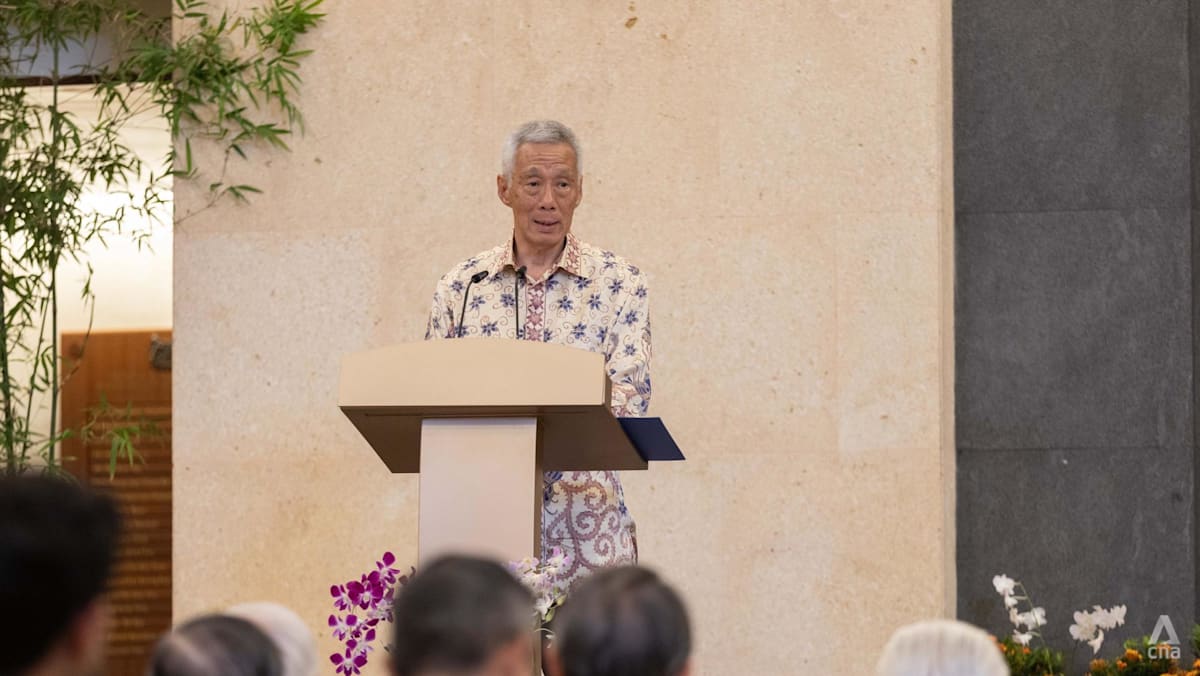
Senior Minister Lee Hsien Loong stated on Wednesday that Singapore’s elected presidency, Non-Constituency MP, and Group Representation Constituency schemes have stood the test of time. Speaking at the Ministry of Foreign Affairs, Lee praised the institutions’ foundational debates, checks on reserves, and enduring role in national political stability.
Major constitutional institutions that have shaped Singapore’s political landscape for decades continue to serve the country well, according to Senior Minister Lee Hsien Loong. Channelnewsasia at the Ministry of Foreign Affairs headquarters in Tanglin, Lee reflected on the evolution and durability of the elected presidency, the Non-Constituency Member of Parliament scheme, and the Group Representation Constituency system.
Inside Cabinet Debates and the Roots of Three Unique Laws
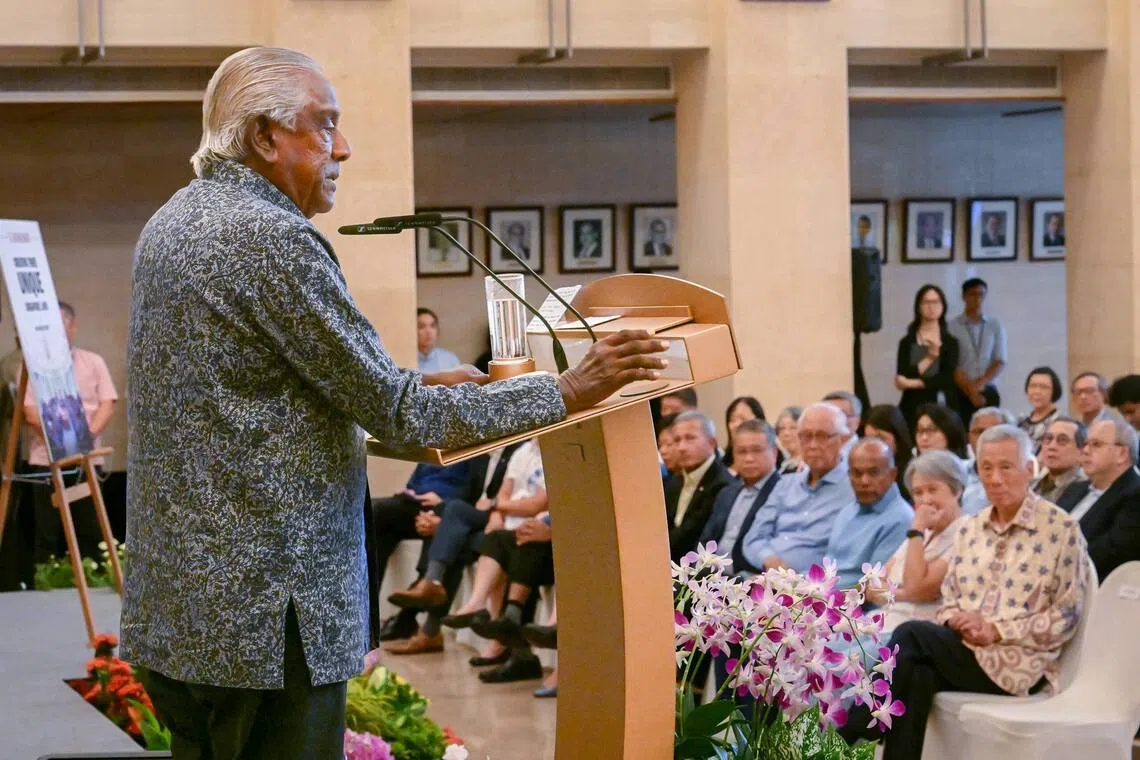
The creation of these foundational laws involved intense, candid deliberations among Cabinet ministers. Jayakumar, who served as law minister during a 31-year political career, documented the behind-closed-doors discussions in his publication, Creating Three Unique Singapore Laws: An Inside Story. He noted that ministers explored all potential angles and options before reaching final policy decisions, aiming to reassure the public that major legislation was never rushed through.
“In government, before the die is cast, and you announce the law, announce the policy, all possible options ought to be looked at.”
S. Jayakumar, former deputy prime minister, via The Straits Times
Joining politics in 1980 after working as an academic at the National University of Singapore Faculty of Law, Jayakumar was involved in developing all three laws from conception to enactment. While various opposition figures criticized the measures as political maneuvers at different stages, Jayakumar emphasized that the underlying doctrines matter more than rigid adherence to specific mechanisms. The elected presidency was designed to provide a custodial check on government spending and public appointments; the GRC and NCMP schemes were established to guarantee minority and opposition representation in Parliament.
Evolution of the Elected Presidency and the Reserves “Second Key”
The elected presidency, enacted in 1991, originated from an idea broached by the late Prime Minister Lee Kuan Yew around 1981 and 1982. Initially envisioned as a powerful wicket-keeper
role with authority to dissolve Parliament, hold national referendums, and declare states of emergency, the proposal faced rigorous pushback from younger ministers.
Rather than demanding blind compliance, Lee Kuan Yew actively engaged with alternative perspectives. Ministers proposed separate safeguards, including an independent central bank or an upper house. The final constitutional model ultimately established an elected president equipped with veto powers over national financial reserves and key public appointments.
“The true test of these three institutions was how they would work out in practice over the years and decades, and across successive governments.”
Lee Hsien Loong, Senior Minister, via Channelnewsasia
Lee Hsien Loong noted that successive administrations have successfully operated this system of checks and balances. The core principle requires each elected government to operate within its means and secure the elected president’s consent before drawing on past financial reserves.
Navigating National Crises and Fiscal Discipline
The institutional safeguard of the presidency’s reserve veto proved critical during major economic and public health disruptions. During the global financial crisis and the COVID-19 pandemic, the government secured presidential approval to deploy substantial emergency packages, illustrating the nation’s capacity to manage severe shocks backed by accumulated reserves.
At the same time, the framework compels political parties advocating expansive social spending to explain their funding sources or propose formal adjustments to reserve rules. While fostering financial prudence, the elected presidency is not viewed as a complete panacea
by political leaders, who emphasize that voters must carefully evaluate candidates’ qualifications and custodial commitment.
Adaptability and Future Generations
The NCMP scheme was enacted in 1984, followed by the GRC system in 1988, after years of preliminary discussion. While these mechanisms have successfully anchored Singapore’s stability, their architects maintain that future generations retain the flexibility to adapt or replace them if societal needs change, provided there is broad consensus on the foundational doctrines governing representation and fiscal responsibility.

Governor Mike Dunleavy Rejects Fears of U.S. Military Invasion of Canada
Alaskan Governor Mike Dunleavy described the notion of a United States military invasion of Canada as completely shocking...

Ekurhuleni Police Enlist Home Affairs to Identify Nine Dead Women
Police in Ekurhuleni have broadened their search to identify nine women found dead across the region between July...

Ezemvelo KZN Wildlife Moves 20 Black Rhinos to Botswana to Boost Population
Twenty critically endangered black rhinos were translocated from KwaZulu-Natal to a remote, secure reserve in Botswana in early...

SEAIT Student Expelled, Charged Over Online Firearms Threat
A college student from Lambayong, Sultan Kudarat, was expelled and charged with grave threats under the Cybercrime Prevention...