
Nevada homeowners are sitting on a growing stockpile of lithium-ion battery packs as residential solar storage moves from early-adopter niche to mainstream utility.
The practical question of what happens when those packs reach end-of-life is no longer theoretical.
Sol-Up Solar, a Nevada-based installer and service provider, published a disposal and recycling guide Friday addressing the hazards and logistics of retiring home battery systems. The company frames the issue as an immediate operational concern rather than a distant regulatory headache.
“Large lithium ion battery packs used with home solar systems contain valuable materials and components that can be recovered. They also contain chemical and electrical hazards if damaged or improperly handled.”
Sol-Up Solar disposal and recycling guide
The company warns against any homeowner attempt to disassemble, puncture, or crush cells. Damaged or suspect units should be stored in a cool, dry location away from combustibles, electrically isolated via manufacturer shutdown procedures, and handed off to a qualified professional for assessment and removal.
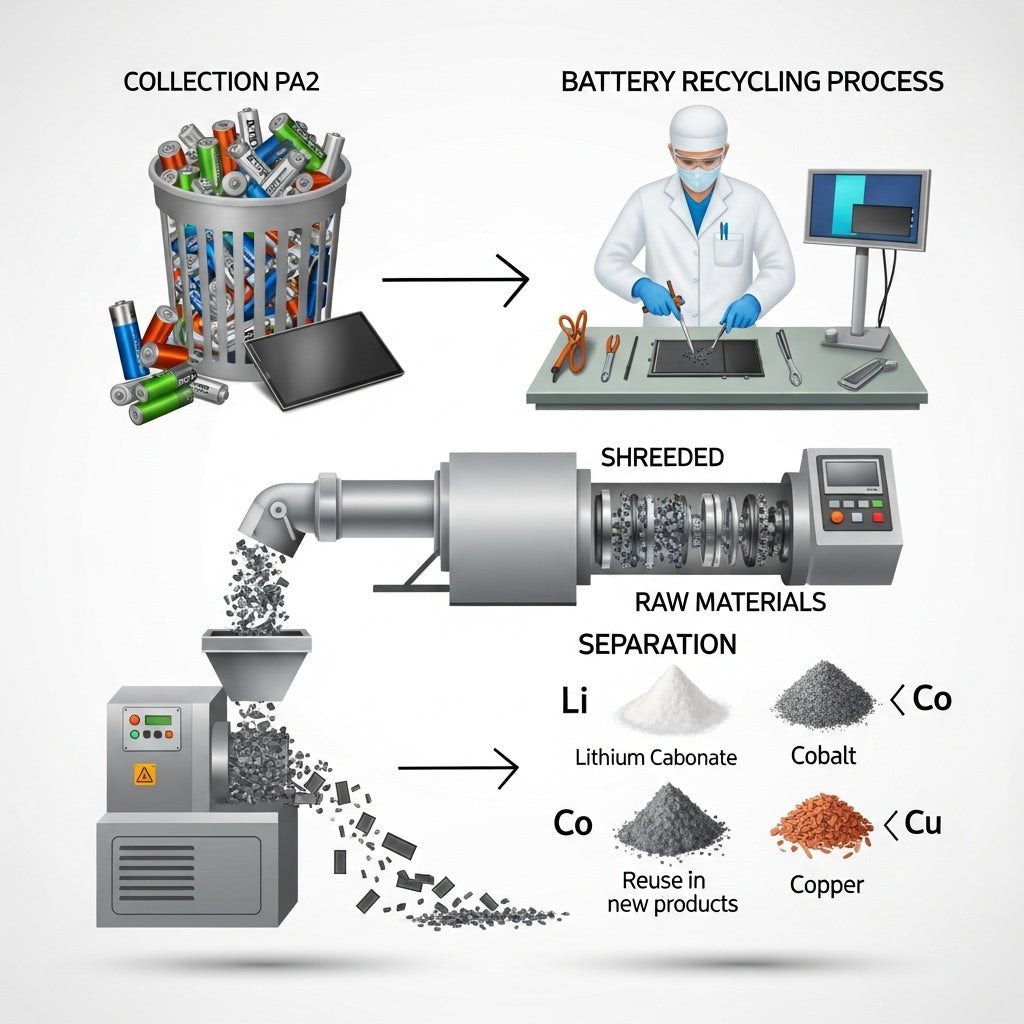
For intact units ready for transport, Sol-Up recommends keeping the battery in its original enclosure, covering exposed terminals with non-conductive tape, securing the pack upright in a stable container, and labeling it with manufacturer-provided information.
Disposal pathways in Nevada remain a patchwork. Many county hazardous-waste or e-waste programs accept residential-scale packs, while private recyclers and manufacturer take-back programs offer alternatives. Sol-Up advises residents to start with their county waste-management office or the battery manufacturer to locate approved collection points, noting that preparation requirements and appointment systems vary by jurisdiction.
The guide suggests a short checklist for vetting any recycler or collection program: confirmation they accept large lithium-ion packs from residential solar, required preparation steps, transport and processing methods, and whether they provide documentation or a receipt for disposal.
Sol-Up positions itself as a coordinator in that chain, offering to evaluate battery condition, advise on repair versus replacement, and arrange removal with approved recyclers or manufacturer programs. The company also points owners toward its own storage-basics guide and a Tesla Powerwall installation reference for system-specific context.
Nevada’s solar-plus-storage adoption has accelerated under net-metering reforms and federal tax incentives, but no statewide mandate yet governs residential battery stewardship. The practical burden — and fire risk — currently rests on the homeowner and the installer network.
Keep reading

Des Moines Council Ends Argonne Armory Talks With White Lotus
The Des Moines City Council will vote Monday on whether to kill a second redevelopment deal for the...

NU Regents Call Emergency Meeting to Vote on Project Health Hospital
The University of Nebraska Board of Regents called an emergency session for Friday at 10:30 a.m. to decide...
Trump Administration Moves to Dismiss Lawsuit Challenging Peltola Win
"Now that the election is over and the voters sent a very clear message about the direction they...

Bears Host Saints at Soldier Field After Bye Week
The Chicago Bears, sitting at 7-2 after a bye week, host the 3-6 New Orleans Saints on Sunday...