South Dakota’s retirement system missed its 20-year benchmark for the first time in 53 years, News From The States reported.
The South Dakota Retirement System earned about 11% in fiscal year 2026 while its benchmark returned 18%, leaving the $16.4 billion fund behind its target over two decades. The Investment Council oversees more than $21 billion across the retirement system and trust funds for schools, healthcare and the state budget, according to the annual report reviewed Nov. 17.
State Investment Officer Matt Clark called the approach “contrarian” by design — holding fewer stocks when prices are high and buying more when they dip. “It’s been really good more often than really bad,” Clark told South Dakota Searchlight. “But the really bad’s been clustered in the last three years.”
Private equity and real estate dragged returns down. Real estate partnerships lost more in 2026 than in years, what Clark described as a “slow-motion unraveling” after investors “thought interest rates would stay low forever.” Private equity returned less than hoped. “We’ve never had them all do bad at the same time before,” Clark said.
The shortfall has consequences. Retirees have received cost-of-living adjustments below inflation since 2021. In April, three members of the Legislature’s Executive Board voted against a raise and bonus for Clark.
Rep. Scott Odenbach, R-Spearfish, said lawmakers face questions from retirees asking, “are you doing your job to make sure we’re getting the returns?”
Clark’s team points to downside protection. An analysis shared with the council shows the system would remain 95% funded in a 2008-level crisis; a benchmark-mirrored portfolio would fall to 85%, risking benefit cuts. After 2008, South Dakota granted adjustments at or above inflation — 3.5% in 2014, 2015 and 2016 against inflation of 1.6%, 0.1% and 1.3% — while other states borrowed or raised contributions. A 2021 Pew Charitable Trusts report estimated state systems overall were 80% funded “for the first time since 2008.”
Early fiscal year 2027 returns offer a glimmer. The system gained 1.27% in the first four and a half months while the benchmark lost 0.75%. “Just note that this is only four-and-a-half months into the fiscal year,” portfolio manager Darci Haug told the council.
“I guess it shows that contrarian strategies can eventually work out if you’re patient enough,” Clark told the council. “But you have to be very patient. Fortunately, I think you know that’s something we can do.”

Dai Dai Ames Scores 24 as No. 9 Tennessee Tops Maryland 72-64 to Stay Unbeaten at Players Era 16
No. 9 Tennessee defeated Maryland 72-64 in the opening round of the Players Era 16 on Tuesday in...
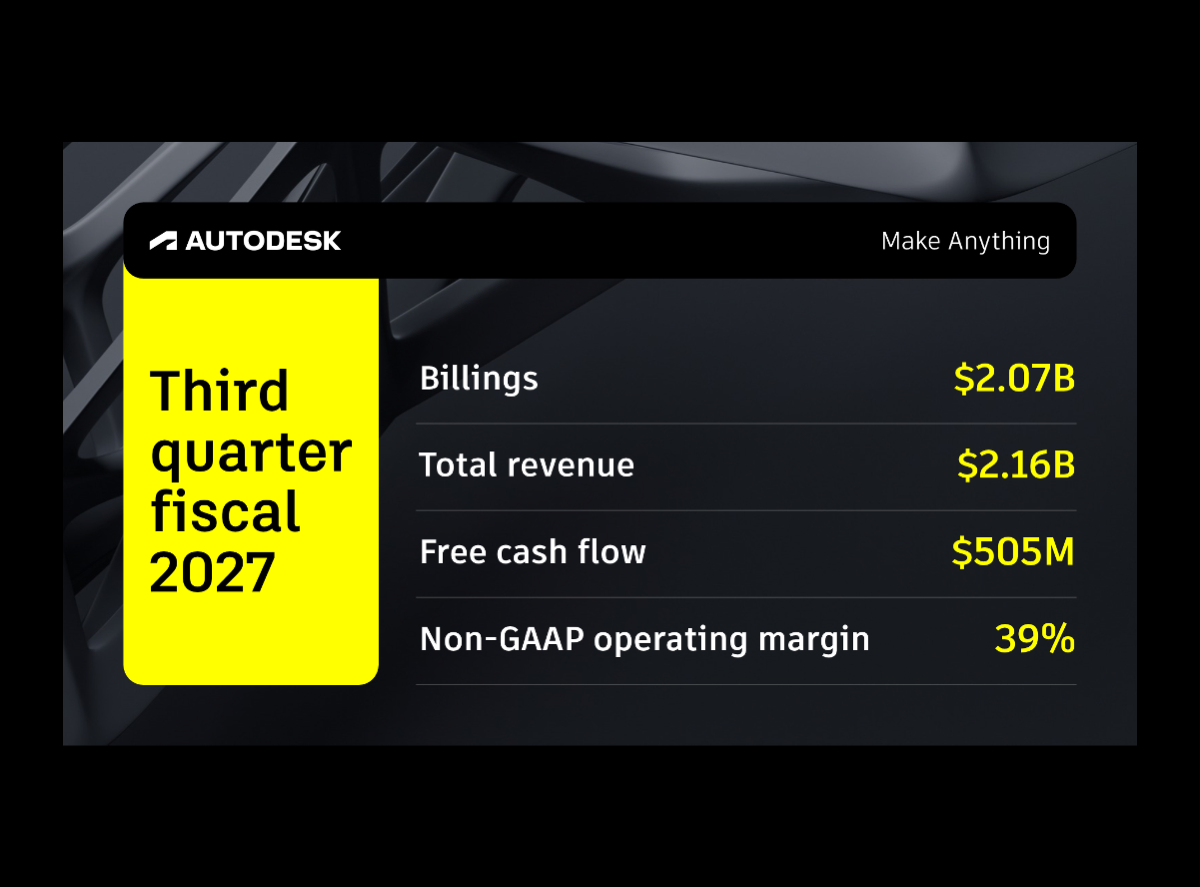
Autodesk Beats Q3 Estimates, Raises FY27 Outlook
Autodesk reported third-quarter fiscal 2027 results, with revenue and earnings per share exceeding the high end of its...
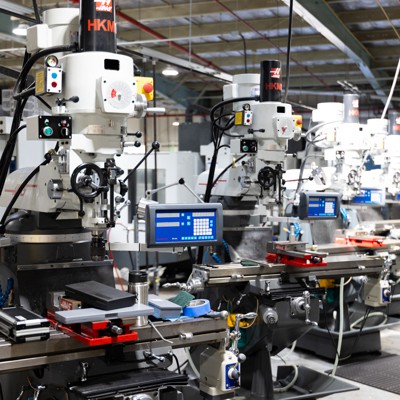
Pentagon-Funded Hawaii Program Aims to Build Defense Manufacturing Base
"Our shop here is, in my professional opinion, one of the most advanced and well-rounded…training facilities out there,...

Expert Review Recommends Plug-in Balcony Solar Panels for Ireland
Minister for Climate, Environment and Energy Darragh O'Brien will brief Cabinet on Tuesday on an expert review recommending...