
When the polls closed across South Dakota on November 4, 2026, voters sent a split message about the state constitution — protecting health coverage and unclaimed property while tightening who can vote, and slamming the door on a higher bar for future amendments, KOTA Territory News reported. Four proposed constitutional amendments were on the ballot, and each drew a different verdict.
The results matter because each measure would have rewritten a different corner of how South Dakota governs itself — from billions in federal health dollars to the mechanics of who gets to cast a ballot.
Amendment I: Medicaid Expansion Stays Constitutionally Protected
Voters rejected Amendment I, which would have ended the state’s constitutional obligation to provide expanded Medicaid coverage if the federal government’s share of the cost fell below 90%. South Dakotans first approved that expansion in 2022 through Amendment D, extending coverage to adults earning below 138% of the federal poverty level under the Affordable Care Act.
Supporters argued the change would shield state taxpayers from covering the gap if Washington cut its contribution, warning of tax hikes or cuts to other programs. Opponents countered that roughly 30,000 South Dakotans could lose coverage and that rural hospitals, which rely on Medicaid funding to cover patient care, would feel the strain. With the amendment’s defeat, the constitutional guarantee remains untouched.
Citizenship Rule Enshrined in State Voting Laws
Amendment J passed, adding explicit language to the state constitution that only U.S. citizens may vote in state and local elections. Backers said embedding the rule in the constitution would block future lawmakers or local officials from loosening it.
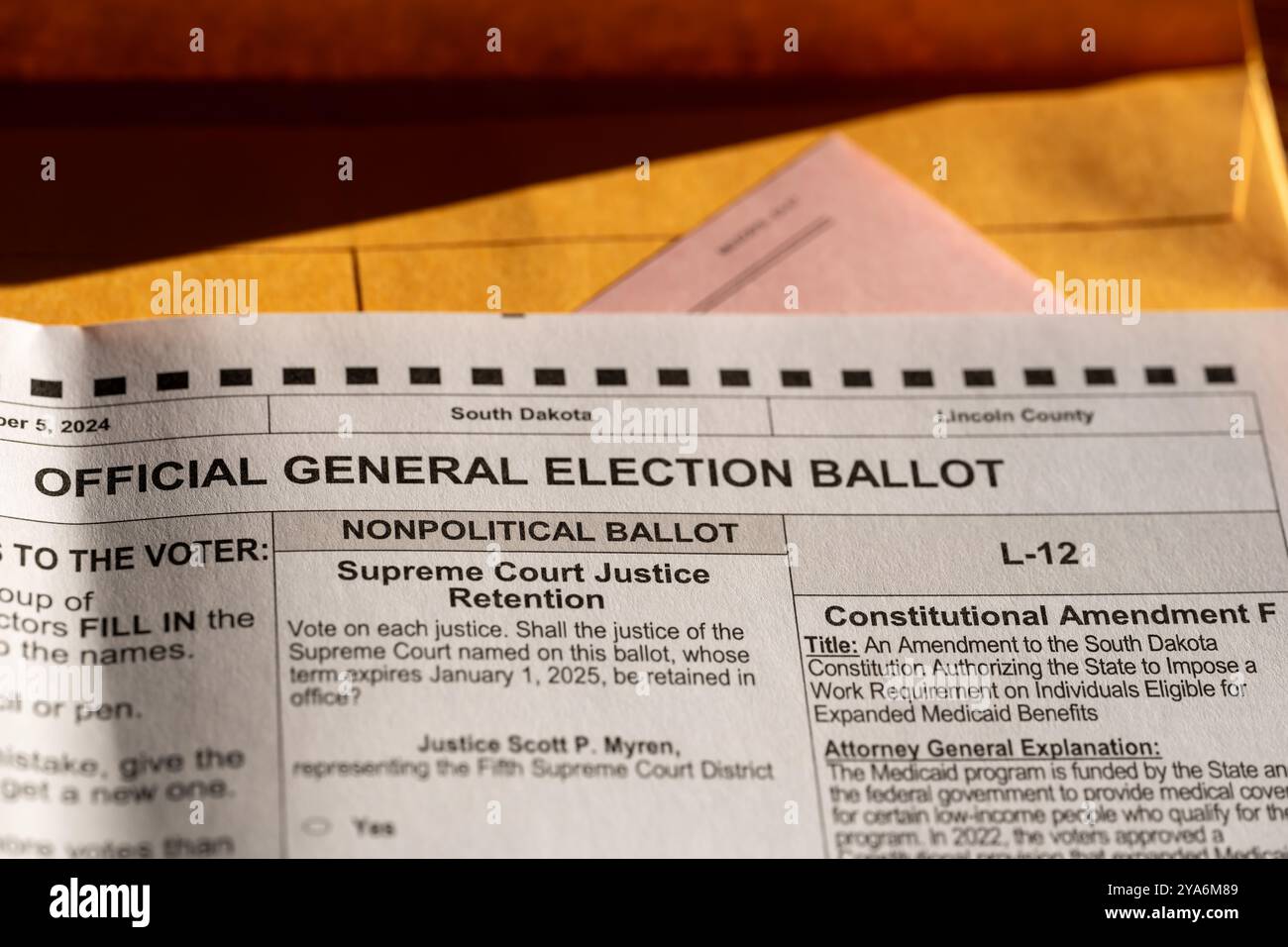
Critics noted that noncitizens are already barred from voting under existing state law and pointed to little evidence of widespread noncitizen voting, calling the measure a political statement rather than a fix for a real problem.
Unclaimed Assets Redirected to Constitutional Trust Fund
Voters approved Amendment K, creating a constitutional trust fund for money from unclaimed property — forgotten bank accounts, stocks, uncashed checks and similar assets held by the state. State Treasurer Josh Haeder championed the proposal as a way to manage those funds like other constitutionally protected trusts.
Under the amendment, after claims are paid and authorized expenses covered, eligible funds go into the trust. The principal stays preserved, and a portion of the interest and income can flow to the state’s general fund to help pay for government operations — turning dormant assets into an ongoing revenue source.
Voters Reject Stricter Amendment Approval Threshold
The one clear rebuke to a tightening of democratic rules came with Amendment L, which would have required 60% voter approval for future constitutional amendments instead of the current simple majority. Supporters, including legislative sponsors and leaders of South Dakota’s Catholic dioceses, argued the higher threshold would protect the constitution from wealthy, out-of-state special interests and mirror the gravity of amending the U.S. Constitution.

Opponents argued it would weaken voters’ direct say, especially in a state where ballot measures have repeatedly served as a check on the Legislature — including after lawmakers changed or overturned measures voters had previously approved.
What the Split Says About South Dakota Right Now
Read together, the four results sketch a electorate protective of existing guarantees — Medicaid coverage, majority-rule ballot access — while still open to symbolic guardrails like the citizenship clause and fiscal safeguards like the unclaimed property trust. The state keeps its 2022 health care commitment intact, locks in a voting restriction that was already law, banks unclaimed assets for the long term, and preserves the simple majority that has let citizen-led amendments reshape state policy time and again.
Related reading

Oklahoma voters chose continuity Tuesday, electing Republican Mike Mazzei as the state’s 29th
Oklahoma voters chose continuity Tuesday, electing Republican Mike Mazzei as the state's 29th governor by a six-percentage-point margin...

Bismarck Voters Receive Wrong Ballots at Liberty Elementary School
"More so, I just want to make sure voters feel like they were treated fairly," Republican Sen. Michelle...
Amy Acton Wins Ohio Governor Race as Democrats Break GOP Supermajority
Ohio Republicans will convene their next General Assembly without the veto-proof supermajority they have wielded for more than...
New York State Election Results: Senate, Assembly, and Local Race Winners
With 216 of 217 districts reporting by 12:24 a.m., incumbent State Senator Lea Webb declared victory in New...