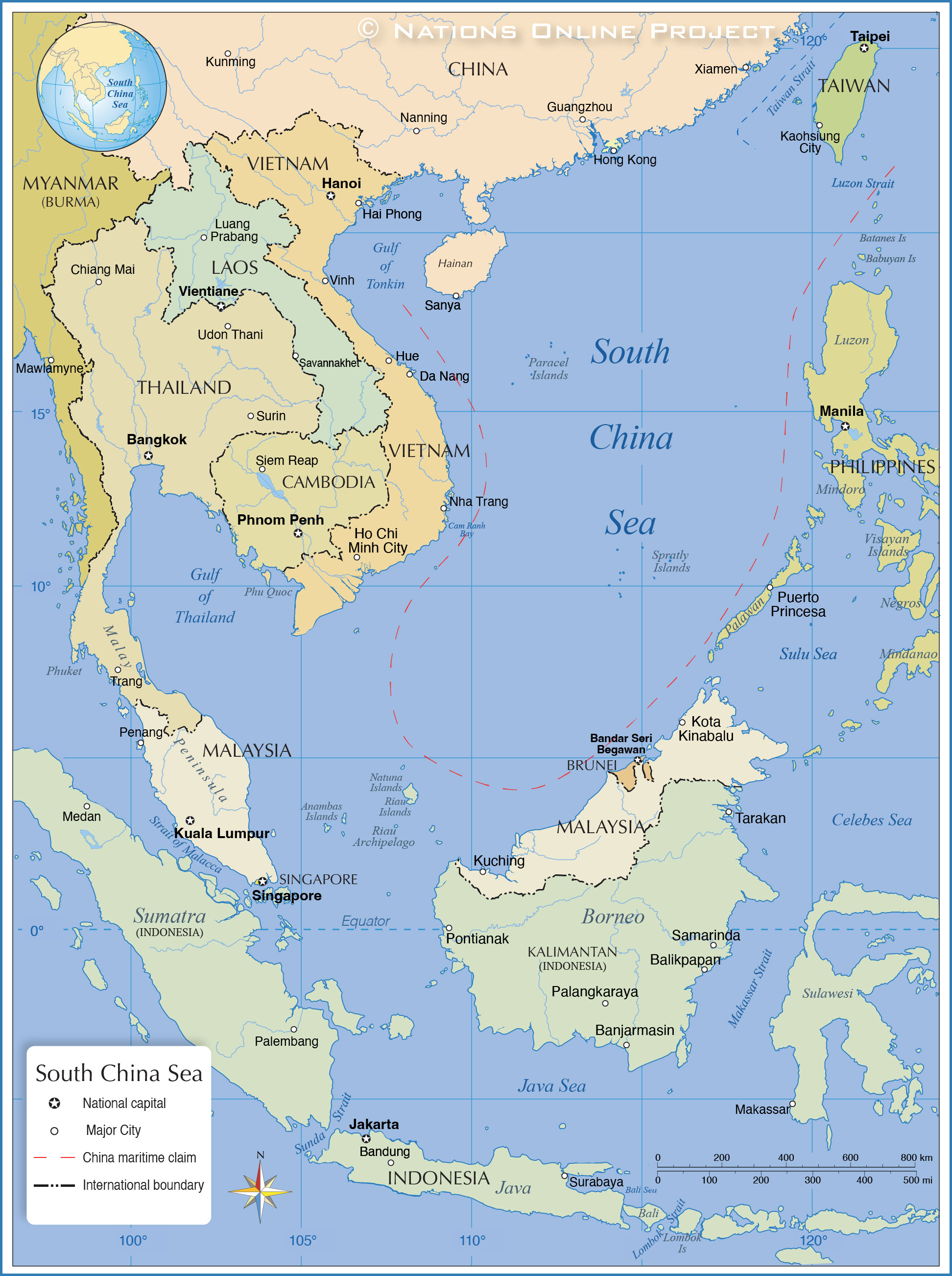
Southeast Asia’s $4.5 trillion economy is rearming with Chinese drones because Western alternatives remain out of reach or too expensive, Livemint reported.
The shift accelerated after Ukraine proved that cheap, adaptable unmanned systems can shape modern warfare. China now dominates the commercial drone market worth more than $5 billion annually and controls critical components and supply chains that underpin military drone production globally, the report said. Even Ukraine, which has built one of the world’s fastest-growing domestic defense industries, relies on China for 71% of its imports of key inputs.
Thailand, a formal U.S. treaty ally with more than $3 billion in active American sales including F-16 upgrades, helicopters and armored vehicles, also has the region’s deepest Chinese defense penetration — battle tanks, naval systems and UAV technology, Livemint reported.
Last year’s Thai-Cambodia border war, the worst conflict between two ASEAN members, showed how a military modernizing with both U.S. and Chinese weapons fights. At its height, air strikes and artillery exchanges displaced over 600,000 people in Cambodia and 400,000 in Thailand, with at least 150 killed.
The mixed-arsenal model is spreading. Indonesia operates Chinese- and Turkish-made drones and is purchasing Indian cruise missiles. The Philippines uses Israeli-made hardware and Australian-supplied systems, adapting UAV fleets for surveillance and operations in the South China Sea. Drones are also widely used by all sides in Myanmar’s civil war, Livemint reported. Beijing’s role frequently involves technology transfer and local development, making the Chinese origin of eventual systems less obvious.
The Lowy Institute’s 2026 Asia Power Index found that the U.S.-Iran conflict, combined with Washington’s pressure on countries to spend more on their own defense, contributed to a record decline in U.S. diplomatic influence in Asia. Iran’s move to restrict shipping through the Strait of Hormuz and disrupt fuel supplies has cascaded across the region.
China itself has important weaknesses. Its impressive pace of shipbuilding masks a key question about just how conflict-ready Beijing is. It hasn’t fought a major war since invading Vietnam in 1979 — unlike the U.S., which starts wars with depressing regularity, Livemint reported. To counter this, the U.S., South Korea and other exporters should push to develop more affordable systems that integrate easily with Asia’s armed forces while ensuring sensitive data is shared securely, the report said.
The U.S. could also ease export regulations and expand sales among nations that have struggled to access its drone technology. But with U.S. focus elsewhere, Southeast Asian nations may be left with only one option — China — to help them modernize their militaries.
Thanksgiving Storm Disrupts East Coast Travel, Knocks Out Power to 800,000
A massive Thanksgiving storm disrupted travel and knocked out power to over 800,000 US households on Thursday afternoon....

German Intel Warns NATO: Russia May Detonate Nuclear Satellite in 60 Days
German intelligence agencies have warned NATO allies that Russia may launch a nuclear-armed satellite, dubbed Sputnik-S, within 60...

Lifetime Signs Wanda Dench and Jamal Hinton for Thanksgiving Movie
A decade after a mistaken text message sparked an unlikely friendship, Arizona grandmother Wanda Dench and Jamal Hinton...
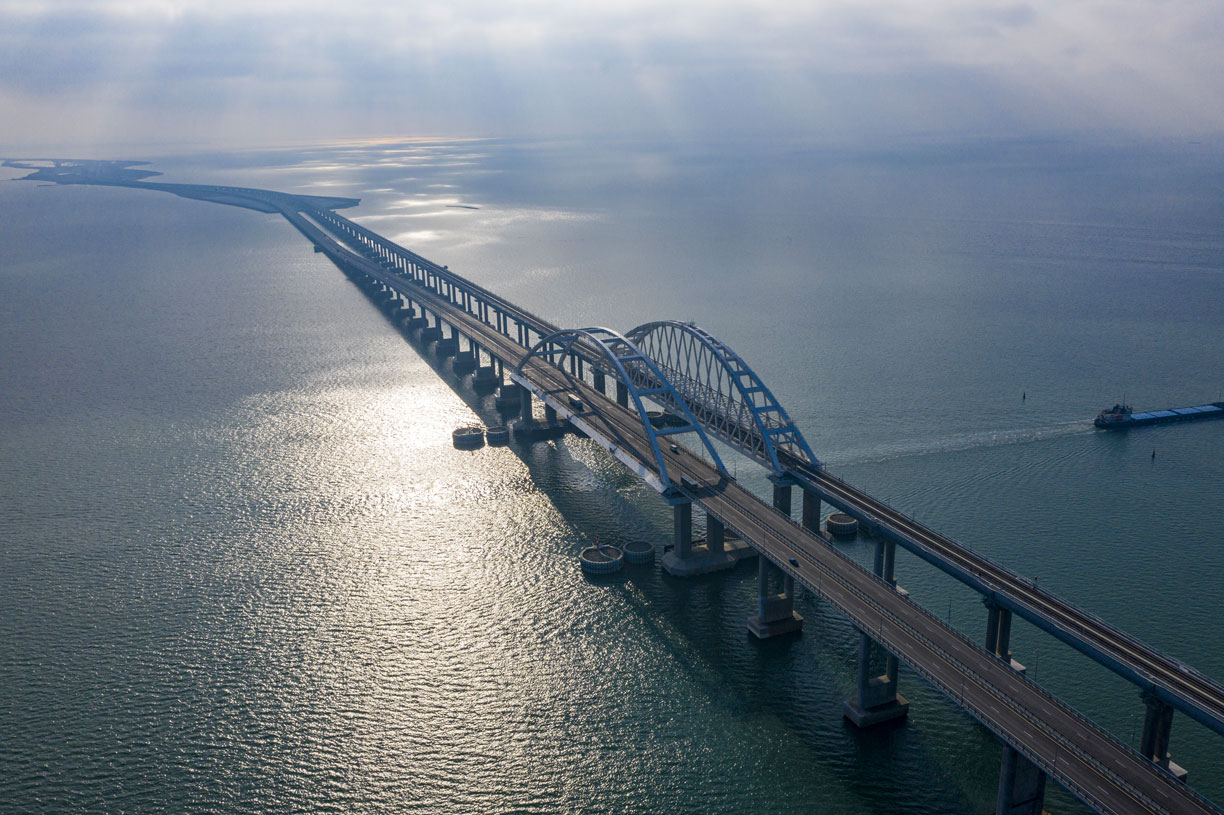
Crimean Bridge Closure Forces Russians Into Hazardous Land Corridor Through Occupied Ukraine
Ukraine’s destruction of the road section of the Crimean Bridge has turned a summer holiday drive into a...