
Spain heads to the polls on Sunday with the conservative People’s Party and the far-right Vox party projected to win a parliamentary majority that would bring a radical-right force into national government for the first time since the Franco dictatorship ended in 1975.
The latest polling average published by El País puts the PP at 31.4 percent and the Socialists (PSOE) at 29.1 percent, with Vox at 17.9 percent — a combined right-wing bloc of 190 seats, above the 176 needed for an absolute majority.
The state-run CIS poll diverges sharply, placing the PSOE ahead at 34.4 percent. The gap between the two main parties has narrowed from nearly six points at the campaign’s start to just 2.3 points in the final average.
Pedro Sánchez called the snap election on October 5 after Congress voted down his emergency housing decrees — the first by 178 votes to 172, the second by 184 to 166 — eliminating rent protections, anti-eviction measures, and tourist-rental regulations in a single session. The defeat followed mass protests sparked by the September 23 eviction of 87-year-old Maricarmen Abascal, whose landlord sought a 230 percent rent increase on the Madrid apartment she had lived in for 70 years.
- The right-wing bloc (PP + Vox) is projected to win 190 seats, above the 176-seat majority threshold.
- Sánchez called the snap vote after his housing decrees were defeated in Congress on October 2.
- Housing crisis: rents and home prices have surged since 2015 while wages rose only 30 percent.
- Vox campaigns on remigration and “national priority” policies imported from the European far right.
Housing crisis fuels the campaign
Between 2015 and 2025, average home prices in Spain rose by 80 percent while rents climbed 87 percent. Nominal wages increased by just 30 percent over the same period. An estimated 40 percent of Spanish renters spend an average of 40 percent of their income on housing.
Tourism now contributes $220 billion to the economy — 12.6 percent of GDP — but the boom has intensified pressure on urban housing stock, with Barcelona banning Airbnb-style short-term rentals effective 2028 and imposing Europe’s highest tourist taxes.
Vox’s strategic shift
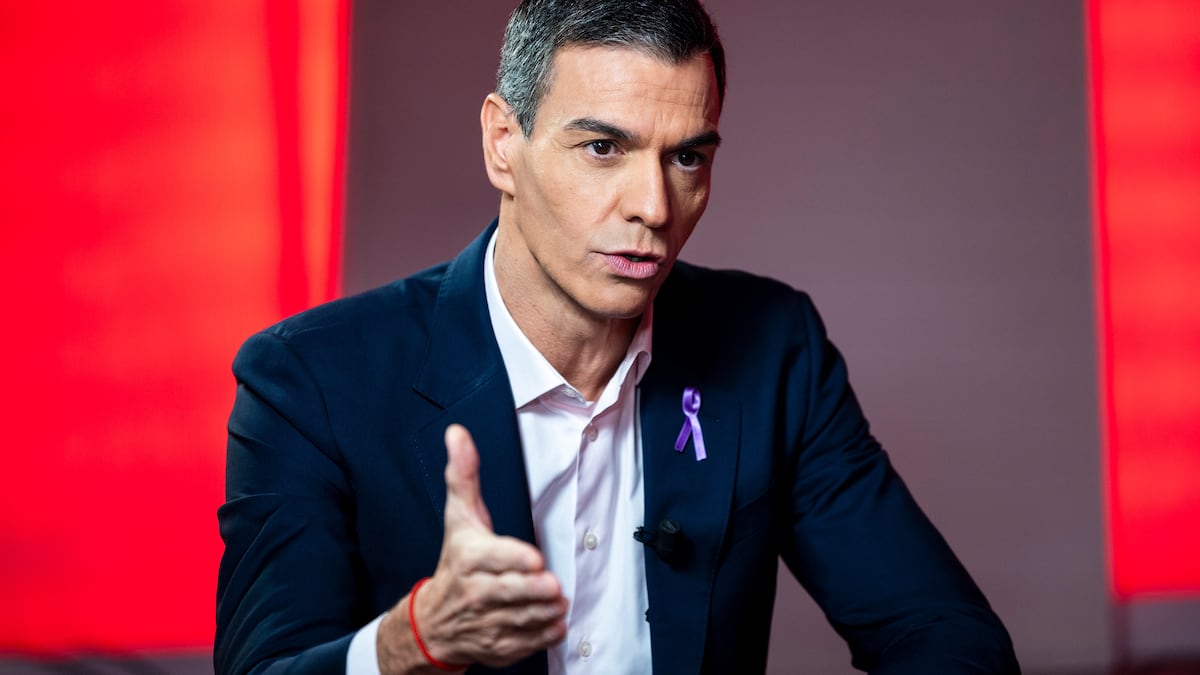
“They are unafraid to make their points clear,” said one Vox supporter in Alicante, where Abascal drew 6,500 people to a sports arena. A restaurant owner in Alicante displays a plaque from Vox thanking him for his support; a portrait of Franco hangs on his wall. “The last time the far right governed our country was during Franco's dictatorship,” Sánchez said in an interview at PSOE headquarters on November 25.
Sánchez’s international profile versus domestic fatigue
Sánchez has positioned himself as Europe’s most vocal progressive leader — staunchly supporting Ukraine, advocating Palestinian rights, and clashing with Donald Trump over NATO spending and the use of Spanish bases for strikes on Iran.
“We don't want anything to do with Spain,” Trump said in March after Madrid denied Washington use of jointly operated bases. Sánchez also rejected the U.S. demand that NATO allies raise defense spending to 5 percent of GDP.
But domestic frustration has eroded his standing. Since 2018, overall unemployment has fallen from 15 percent to 10 percent and youth unemployment from 34 percent to 22 percent. Spain’s economy is forecast to grow 2.6 percent this year, outpacing Germany, France, Italy, and the UK.

Yet consumer prices have risen 27 percent since 2018 and food costs nearly 43 percent. Real wages remain 2 percent below their early-2021 level. Two high-speed rail crashes this year killed 115 people, and an April 2025 blackout left the country without electricity for nearly 16 hours.
“I'm amazed by the absolute hatred that is directed at him by many everyday, quite reasonable Spaniards,” said Duncan Wheeler, a political scientist at the University of Leeds.
“It's seen that he's slippery. People don't feel he's somebody you'd want to go and have a drink with.” Sánchez has never been personally named in corruption scandals involving his party, but the Ábalos case — a former minister expelled over pandemic-era mask contracts — has damaged trust.
Sánchez attacks Trump record and warns of social cuts
At a November 21 rally in Tenerife, Sánchez asked the crowd what good President Trump had brought to the United States and, by extension, to the world, according to CNBC. He also told voters that the PP and Vox would roll back government cost-of-living assistance if they took power.
In a September interview with CNN’s Christiane Amanpour argued his government had been “very tough” on corruption but claimed “other cases” were “maneuvers from the opposition” to force him out, CNN reports. He added that he was not running to entertain Spain.

Analysts and voters describe fear and protest behind the vote
Political scientist Mario Ríos told The Guardian that cohorts backing Vox are casting “a protest vote against the status quo, not out of nostalgia.” Spanish lawyer and political analyst Alma Ruiz said turnout is expected above 70 percent because “people are voting out of fear,” Courthouse News reports.
Rail safety and immigration become flashpoints in final debates
During a televised head-to-head debate last week, Feijóo accused Sánchez of managing the high-speed rail network with “persistent negligence” after two crashes this year killed 115 people and injured more than 300, KWWL and CNN report.
The Elcano Royal Institute puts Spain’s immigrant population at 9 million, with roughly 600,000 people arriving annually since the pandemic ended, Foreign Policy reports. Vox wants to deport some legal immigrants who commit crimes, live off the state, or adhere to Islamism, while the PP emphasizes legal channels and a willingness to integrate, according to multiple outlets.
Keep reading
New Zealand Election Leaves Opportunity Party as Decider
New Zealand's final election count on Friday stripped Prime Minister Christopher Luxon's coalition of its provisional majority, leaving...

Trump Claims U.S. Victory Over Iran, Warns of Pickaxe Mountain Strike at Thanksgiving Briefing
President Donald Trump told reporters at Mar-a-Lago on Thanksgiving Day that the United States has achieved victory in...

AP’s Global Teamwork and Scoops Define Trump Asia Trip Coverage
Jim Gomez, AP's Manila chief correspondent, secured a three-day advance on the story that China and ASEAN failed...

IISS Warns of Mass-Casualty Risk as Europe Sabotage Rises
There are increasing signs of lethal intent or the probability that one of these events will result in...