
Sport Pilot Training at Philip Billard Airport
For aspiring pilots in Kansas, the fastest path to the cockpit now runs through Philip Billard Airport (KTOP) in Topeka. Top Aviation Services has streamlined the flight training process by focusing on the sport pilot certificate, a license that allows students to trade the standard FAA medical examination for a valid U.S. driver’s license, provided they have not had a previous medical application denied, suspended, or revoked.
The program, as reported by Top Aviation Services, centers on a 2025 Van’s RV-12iS, a special light-sport aircraft equipped with dual Garmin G3X Touch displays, a GTN 650Xi navigator, and a GFC 500 autopilot. Because Philip Billard Airport operates with a control tower from 7:00 AM to 7:00 PM, students gain experience communicating with air traffic control from their very first lesson.
The Math Behind the Minimums
Under 14 CFR 61.313, the FAA requires a minimum of 20 hours of flight time to earn a sport pilot certificate. This total must include 15 hours of instruction with an authorized flight instructor and 5 hours of solo flight. Within those requirements, students must complete 2 hours of cross-country training and perform 10 takeoffs and landings to a full stop. Additionally, the training includes a solo cross-country flight covering at least 75 nautical miles, with a full-stop landing at a location at least 25 nautical miles away from the point of departure.
According to the pricing data provided by Top Aviation Services, the aircraft rental cost for the 20-hour FAA minimum is approximately $3,199, calculated at $159.95 per Hobbs hour, plus tax. However, the school notes that most students require more than the minimum hours to reach proficiency, and additional costs for flight instruction, study materials, the FAA knowledge test, and the examiner’s fee are not included in that base figure.
Balancing Flexibility and Momentum
While the sport pilot route offers a quicker entry point, Commercial Pilots Training notes that local flight schools like Top Aviation Services present a trade-off between the speed of a formal academy and the flexibility of a pay-as-you-fly model. Success at a local school often depends on the student’s ability to maintain a consistent schedule.
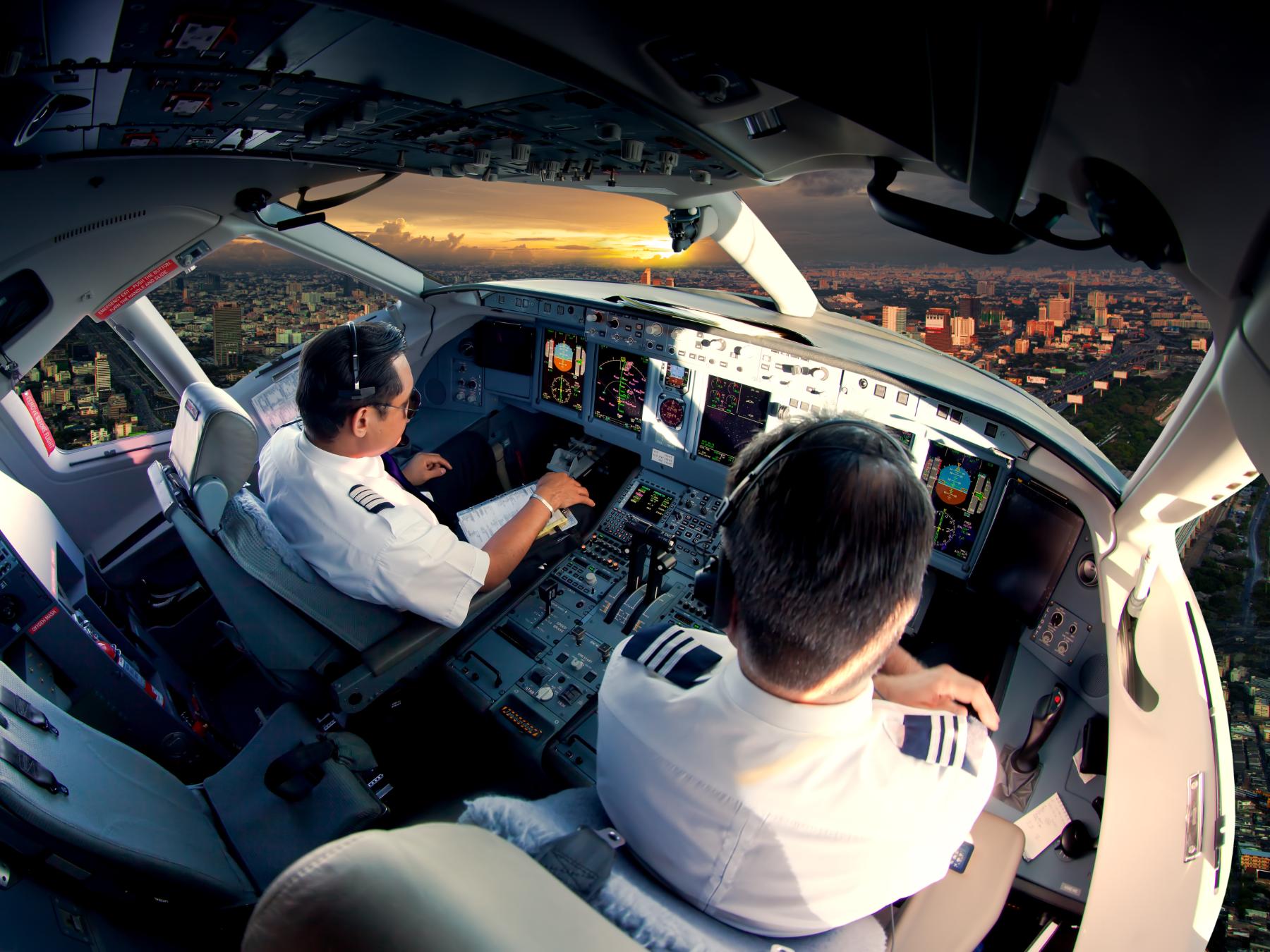
The pay-as-you-fly model keeps your money in your control, and training two to three lessons weekly around work is the proven rhythm, enough frequency to retain skills without the academy’s all-in schedule.
Commercial Pilots Training suggests that students evaluating their options in Topeka should look beyond the hourly rate. Prospective pilots are advised to walk the ramp to observe maintenance operations, verify how many lessons per week are realistically available, and inquire about the current wait times for examiners. In Kansas, where the geography provides unobstructed horizons and consistent winds, the weather and the school’s scheduling depth serve as the primary variables in how quickly a student finishes their training.
The Path to Further Certification
A frequent question for new students is whether sport pilot training is a dead end or a stepping stone. Flight hours logged during sport pilot training at Top Aviation Services count toward the requirements for a Private Pilot Certificate. This allows students to begin flying under the sport pilot rules and upgrade their credentials later if their aviation goals expand.
For those uncertain about committing to the full certification process, the school offers a discovery flight, which provides 30 to 45 minutes of cockpit time with a certified flight instructor. This introductory flight is designed for those with no prior experience and the cost counts toward the total required for the certificate. As of November 2026, the school maintains a structured approach to booking, though the specific availability of instructors and aircraft remains a factor that students must coordinate directly with the flight school’s staff.
The question of how long the process takes remains entirely dependent on the student’s personal calendar. While the FAA sets the floor at 20 hours, the reality of flight training is dictated by the frequency of lessons and the variability of Kansas weather. Whether a student completes their training in a few months or a year, the fundamental requirement remains the same: steady, consistent attendance.
Keep reading

Nebraska football bowl eligibility in jeopardy after Illinois loss
The Nebraska Football Collapse and the Cost of Indifference Pain, misery, and suffering have become the recurring themes...

IRONMAN Montana is more than 60% sold out as athletes begin training
“I've always wanted to do an Ironman,” said Melissa Kapperud, a Great Falls resident and mother of three....

Buc-ee’s Kansas City construction exterior nearly complete
The landscape at 601 Village West Parkway in Kansas City, Kansas, is undergoing a visible transformation as the...

How a Viral Ad Turned a Mississippi Senate Race Into a High-Stakes Battleground
A 28-second viral advertisement featuring sharp humor and profanity has turned Mississippi’s Senate race into a dead heat,...