Springfield is facing a projected $45 million school budget shortfall for next year, officials announced, warning of likely cuts.
The shortfall, revealed three months into the current school year, stems from a drop in enrollment larger than anticipated and the expiration of state funding. The Springfield School Department is now bracing for a reduction in resources.
“What we did not account for were some other variables that were totally outside of our control and has nothing to do with how we manage the funds, has nothing to do with how the city supports us,” said Superintendent Sonia Dinnall. “None of us saw it coming.”
The district was already expecting a $20 million decline in funding next year due to the expiration of the 2019 Student Opportunity Act, which had provided about $1.5 billion in state education funding, primarily to communities with high numbers of students with high needs, Dinnall explained.
Adding to the financial pressure is a drop in student enrollment. The city receives approximately $25,000 per pupil, mainly from the state, and with enrollment down, funding decreases accordingly. While final tallies from the state are not due until January, officials know more than 700 fewer students are enrolled this year compared to last year’s count of 23,574.
The decline is not due to students leaving the system. The number of students who departed was similar to the previous year, with 4,084 leaving this year compared to 4,113 at the end of 2024. Instead, the shortfall is from students who never enrolled in the first place, with 782 fewer students starting this year.

The number of students who are not fluent in English has dropped more than in other areas, a trend affecting gateway cities like Springfield, said Assistant Superintendent Jose Escribano. Holyoke, another gateway city, has seen an even bigger decline in those students.
Mayor Domenic J. Sarno, who chairs the School Committee, inquired if the decrease was linked to increased federal pressure on immigration enforcement. Escribano noted that “it might account for why we are seeing a significant drop in addition to the projected fewer students that we normally see.” He added that a change in federal leadership after the midterm elections could alter the enrollment trend.
The district is now grappling with a structural deficit where expenses are rising faster than revenues. While state aid increases by an average of 3% annually, costs like utilities are soaring by as much as 17% per year, and health insurance benefits are climbing by at least 5%, according to Chief Financial Officer Patrick Roach.
This budget challenge is not a one-time issue. A five-year projection shows a cumulative shortfall of $143 million, Roach stated. The School Committee has begun budget planning months early to address the expected shortfall, and Sarno promised to protect student programs as much as possible.

Officials detail enrollment pressures
Superintendent Sonia Dinnall emphasized that the bulk of expired Student Opportunity Act funding had supported communities like Springfield, which serve many high-needs students. “What we did not account for were some other variables that were totally outside of our control,” she said, noting the shortfall wasn’t tied to fund management or city support.
Assistant Superintendent Jose Escribano explained the 782-student enrollment decline stemmed from those who never enrolled, not departures. He cited a drop in English-language learners statewide, particularly affecting gateway cities like Springfield and Holyoke, and suggested federal immigration policies might influence future trends.
Committee addresses growing deficit
The district receives $25,000 per pupil from state funds, making enrollment declines directly impact resources.
School Committee Vice Chairwoman LaTonia Monroe Naylor said the committee began budget planning months early to tackle the shortfall. Mayor Domenic Sarno vowed to prioritize student programs, pledging “no matter what rabbits have to be pulled out of the hat,” they would cut services affecting students last.
“No matter what rabbits have to be pulled out of the hat,” Sarno said, “the School Committee and administrators will cut last the programs and services that affect students.”
Keep reading

Michigan State Ugly Win Down Two Starters a Learning Experience
The Breslin Center grew quiet Saturday as Detroit Mercy pulled within three points of No. 2 Michigan State....
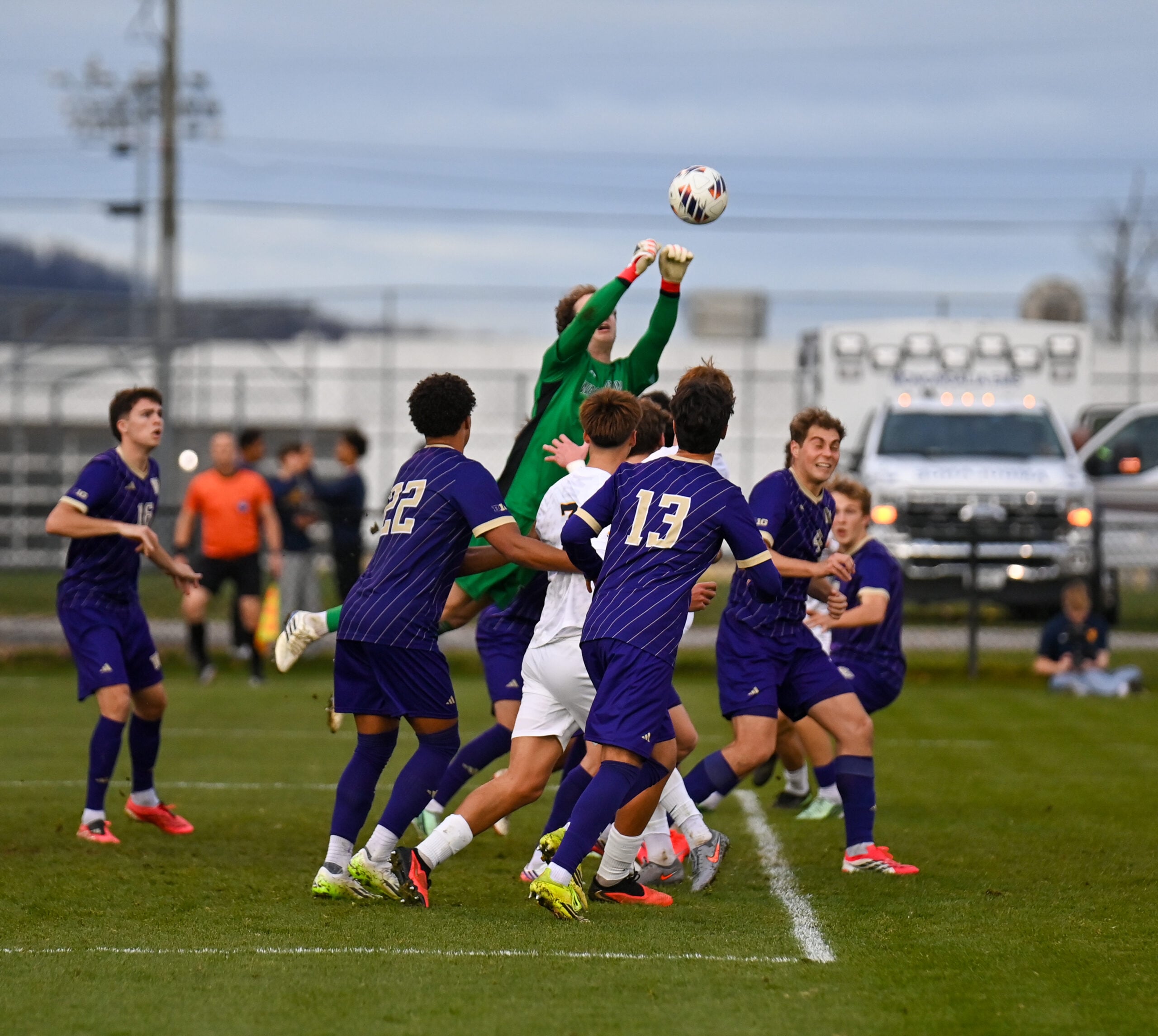
Washington Defeated West Virginia 1-0 in Double Overtime to Advance to NCAA Sweet 16
Washington defeated West Virginia 1-0 in double overtime to advance to the NCAA Sweet 16 on Sunday. Jake...

Mykhailiuk Led Utah Late Surge as Mavericks Defeated Jazz 116-114
The Dallas Mavericks defeated the Utah Jazz 116-114 in Salt Lake City on Sunday night. Mykhailiuk powers Utah...

Tennessee Volleyball Advances in SEC Tournament After Defeating Texas
Tennessee volleyball completed a reverse sweep of Texas on November 22 to advance in the SEC tournament, according...