
Springfield city government scored in the 37th percentile on an Enterprise Trust Index survey, ranking higher than only 37% of other public-sector organizations measured by the same tool, the Springfield Daily Citizen reported on Nov. 12.
- The overall trust score of 37 is an average of four factors: culture of engagement (21), strategic alignment (12), motivating and relating (60), and managing execution (56).
- Twenty-three of 32 survey items fell into the “serious problem area” category (34th percentile or below).
- Twenty percent of respondents were categorized as “threats” — actively disengaged or planning to leave.
- The city paid $256,000 in carryover funds this year for Trust Edge training, certification and materials.
Organization factors drag score down
The overall score is calculated by averaging four primary factors defined by Trust Edge Leadership Institute. The two “organization factors” — culture of engagement and strategic alignment — scored 21 and 12 respectively, pulling the average below the two “manager factors.” Motivating and relating scored 60, while managing execution scored 56.
“Strategic alignment” refers to employees’ understanding of where the organization is headed and how they can contribute, while “culture of engagement” measures whether the organizational culture “motivates, empowers, challenges and respects employees,” according to the report obtained through a Sunshine Law request.
Specific statements reveal wide gaps
The survey used a five-point Likert scale across 32 items. The statement “Everybody is treated fairly at the City of Springfield,” under culture of engagement, received an average score of 2.7, placing the city in the 20th percentile. By contrast, “My direct supervisor listens effectively,” under motivating and relating, scored 4.0, reaching the 71st percentile.
Springfield landed in the 6th percentile on two critical items: “Our leaders will take actions based on the results of this survey” (average 2.6) and “I have a clear understanding of the City of Springfield’s strategic goals” (average 3.0). All four “Barriers to Success” items scored in the 27th percentile or lower.
Employee categories show frustration
Based on numeric ratings and anonymous comments, respondents were sorted into five categories. A plurality — 24% — fell into “opportunities,” defined as employees who are engaged but frustrated. Eighteen percent were “weaknesses,” still with potential to engage if sources of disillusionment are addressed.
Twenty percent were labeled “threats,” described as “actively disengaged, spreading negativity and creating a toxic work environment or they are employees who were once ‘opportunities,’ but who are now more deeply discouraged and planning to leave.”
Ten percent were categorized as “trusting,” 14% as “contributors,” and 13% completed the survey in a way that made their engagement level difficult to determine.
Trust Edge rollout began in February
The city hired Trust Edge, a Minnesota-based consulting firm led by CEO David Horsager, earlier this year using $256,000 in carryover funds. The contract covered a three-day training program for 400 city supervisors and 200 community partners, 500 copies of Horsager’s book “Trust Matters,” and certification of 20 city leaders to implement the framework across the organization.
City Manager David Cameron pitched the program to the Springfield City Council on Feb. 2 as a means to advance the council’s five priorities: operational excellence, public safety transformation, economic vitality, housing strategy and development processes. Each priority was assigned two of the Trust Edge framework’s eight pillars: clarity, compassion, character, competency, commitment, connection, contribution and consistency.
“This is not a gotcha framework either,” Cameron said at the Feb. 2 meeting.
“This is about how to improve and grow trust. It’s not about, ‘Oops.’ But it will expose glaring issues, like, ‘Wait a minute, maybe we need to work on this one a little bit more.'”
Taj Suleyman, the city’s director of belonging and intercultural development, said at the same meeting that unlike the biennial employee satisfaction survey, the Trust Edge survey is intended to measure trust on an ongoing basis.
The 20 certified employees would be trained to measure trust at the organization, department and individual levels.
Cameron said he met Horsager in 2016 while serving as Republic’s city administrator, a role he held until becoming Springfield city manager in 2025. Republic was the first municipality to implement the Trust Edge framework, which primarily works with the private sector.
Participation and comments still unclear
The Nov. 12 report does not indicate how many of the city’s more than 2,000 employees participated. At the time of publication, the Springfield Daily Citizen reported that survey comments were still being reviewed by the city’s Law Department to determine if any portions would be considered a closed record. The Daily Citizen is seeking comment from Cameron and will update the story if a reply is received.
Tarpley: Annual Birthday Trips Sustain Cross-Country Friendship for Eight Years
In a column for Business Insider, Laura Grace Tarpley writes that annual birthday trips have sustained a friendship...
Arizona Voters Ban New Traffic Cameras; Six Phoenix-Area Cities Face 2027 Vote on Existing Programs
Maricopa County voters overwhelmingly approved Proposition 319 this month, a statewide measure that bans new automated ticketing systems...

Lowe’s Associates Volunteered at City Care in Oklahoma City
Lowe's associates volunteered at City Care in Oklahoma City, painting and refreshing spaces at the 140-bed shelter. "To...
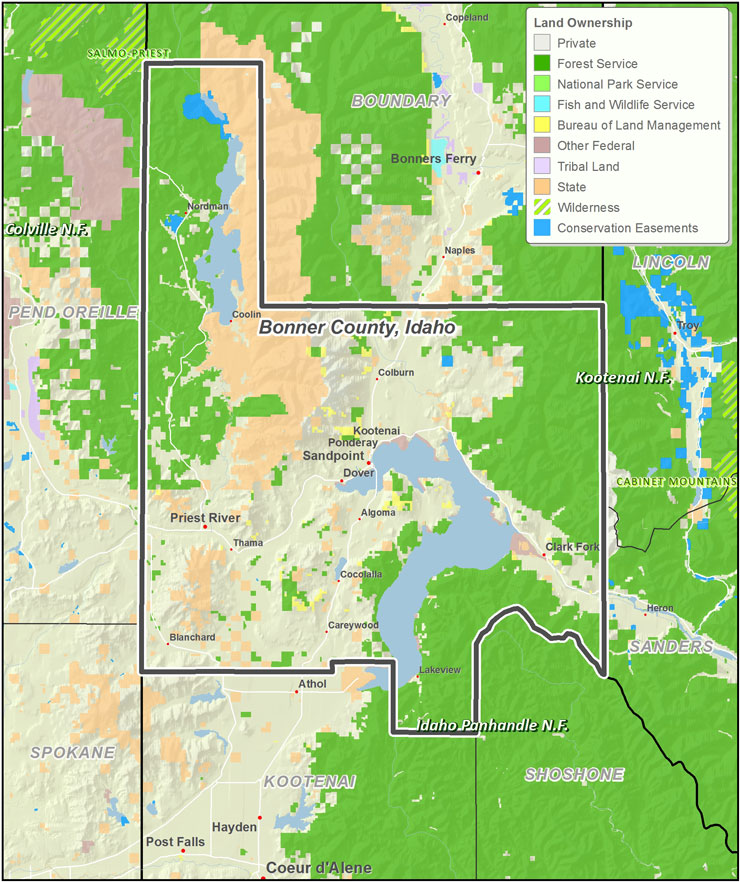
Idaho Supreme Court Voids Presale Condo Contracts Over Missing Plans and Specifications
The Idaho Supreme Court ruled on September 24 that two presale contracts for condominium units in Bonner County...