Stacy Garrity Addresses AI Ads, Expired Skill Game Deadlines, and Public Health in Pennsylvania’s Governor Race
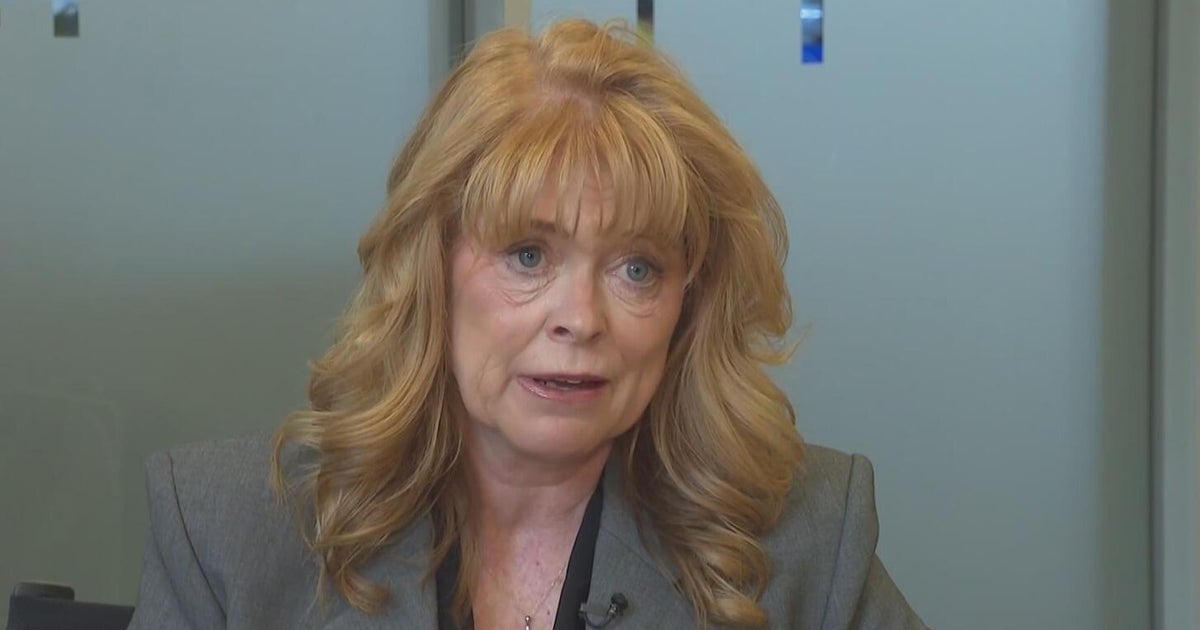
Thousands of small Pennsylvania businesses, American Legions, VFW posts, and neighborhood fire halls pulled gaming machines from their floors after an October 13 deadline passed without legislative action, setting up a sharp clash over economic stewardship as voters head toward the November 3, 2026 election. With the campaign entering its final stretch, Republican Pennsylvania Treasurer Stacy Garrity sat down for a 30-minute interview with KDKA-TV to lay out her positions on contentious state issues, ranging from artificial intelligence in political advertising to federal safety-net cuts and a rising measles caseload.
The interview laid bare the central fault lines defining the commonwealth’s gubernatorial contest. While incumbent Josh Shapiro has maintained a public distance from certain debate stages—having not yet accepted an invitation from KDKA for a one-on-one interview—Garrity pressed hard on administrative missteps, transparency, and economic affordability.
The Artificial Intelligence Debate and Campaign Finance
Artificial intelligence emerged as an early flashpoint when the conversation turned to a Republican campaign ad featuring Josh Shapiro. The spot uses generative AI to show the incumbent touting his own administration’s major controversies.
When questioned about the ethical implications of deploying AI-generated imagery in political attacks, Garrity defended the tactic as entirely factual and transparent. “Every single thing in that ad is correct, unlike the ads that the governor has run against me, which are categorically false, and full of lies,” Garrity told KDKA-TV. “Everything in there is true.”
Pushed on whether she saw irony in using AI to critique the technology’s political footprint, the Republican challenger pivoted immediately to campaign financing. “What I think the irony is is that he took $5.7 million from data center developers and used that money to run ads against me,” she said, emphasizing that the ad explicitly labels itself as AI-generated from the outset.
The Economic Toll of Unresolved Skill Games
Beyond campaign advertising, Garrity training her fire on the administration’s handling of skill games, pointing to real-world fallout for community mainstays. The October 13 deadline came and went without a legislative resolution, forcing local operators to unplug the machines.
“Because the issue wasn’t addressed by Oct. 13, our American Legions, our VFWs, our fire halls and so many small businesses like gas stations, convenience stores, even some local pharmacies, they had to pull these machines out,” Garrity noted. She underscored the localized stakes: “These are thousands of thousands of jobs, and they give back millions of dollars into the community. Our American Legions, our VFWs, our fire halls, our small businesses are the backbone of our communities. And so, what real leadership would’ve done was address this issue before the deadline of Oct. 13.”
The debate over skill games intersects directly with broader affordability concerns across the commonwealth, touching everything from neighborhood operating costs to federal safety net programs.
SNAP, Medicaid, and State Error Rates
Addressing federal funding reductions to programs like SNAP and Medicaid that impact millions of residents, Garrity argued for strict administrative efficiency rather than haphazard cuts. She zeroed in on state-level management errors as a primary target for reform.
“First of all, we need to get our error rate down so we don’t have to pay so much, right?” Garrity stated. “I mean, that’s ridiculous. Nobody that ever worked for me would have over a 10% error rate in anything.” She pledged to protect core assistance for vulnerable populations, maintaining that Medicaid and SNAP must be preserved “for the people that it was intended to help, and that is pregnant moms, it’s single parents, it’s caretakers, it’s people with disabilities.”
Handling Public Health Crises
The conversation also shifted to public health, following reports from the Pennsylvania Department of Health detailing nearly 1,300 measles cases alongside the state’s first measles-related deaths in years.
Garrity criticized the governor’s public response to the outbreak, contrasting it with what she framed as a measured, boots-on-the-ground approach. “So, first of all, I would not have done what the governor did, which was run to a camera before he had all the facts,” she said. “So a real leader, what you do is first thing: go console these families. And then secondly, you’ve got to get boots on the ground. You’ve got to get the facts and then be fully transparent.”
“It all comes down to common sense,” Garrity added. “It comes down to leadership, and then working with these agencies to make sure you’re doing the right thing for Pennsylvanians.”
With Election Day rapidly approaching on November 3, voters face distinct choices on administrative competence, regulatory deadlines, and crisis management, even as the incumbent’s direct participation in pre-election broadcast forums remains unconfirmed.
Worth a look

Environmental Groups Urge Governor to Address Louisiana Orphan Wells
A coalition of environmental groups asked the governor on Monday to address the risks of thousands of abandoned...
Kentucky State University Appoints New Student Success Leaders
Kentucky State University has appointed Myiah Clemons and Jasmine Prince to key roles on its Student Success team,...

Find Your Used Chevrolet Tahoe for Sale at Eddy’s Chevrolet in Wichita
Sedgwick County Driving Demands and the Full-Size SUV Solution Wichita families rack up miles fast, whether they are...

No Clear Winner in Pivotal Israeli Election as Netanyahu Faces Tight Race
Israel's High-Stakes Turnout Yields No Clear Winner in Tight Parliamentary Race With a majority of the votes counted...