Israel’s High-Stakes Turnout Yields No Clear Winner in Tight Parliamentary Race
With a majority of the votes counted on Wednesday morning, Israel’s pivotal parliamentary election has ended without a clear winner, leaving Prime Minister Benjamin Netanyahu leading his main opposition rival, Gadi Eisenkot, in the official tally. While Netanyahu’s right-wing bloc led the individual count, various opposition groups combined—including a notable showing by two Arab-led factions—secured more total votes overall. This dynamic points directly to a restless electorate that turned out in force to signal deep dissatisfaction with the current government. Voters drove turnout above 77 percent, marking the highest level of participation in more than two decades as tens of thousands of expatriates flew home to cast ballots in the country’s first election since the Oct. 7, 2023, Hamas-led attack and the war in Gaza.
The Battle Lines Drawn by Netanyahu and Eisenkot
Both political leaders claimed early victory on Tuesday night well before the final tallies could take shape. Eisenkot, a center-right former military chief of staff who leads the Yashar party, addressed his supporters by declaring that history had been made and that the public had voted for change through a platform promising more diplomacy and less extremism. Meanwhile, Netanyahu maintained his stance before cheering crowds at Likud party headquarters in Jerusalem, asserting that his right-wing bloc commands a clear and decisive majority among the Zionist public. Securing control of the 120-seat Knesset requires a governing coalition of 61 lawmakers, setting the stage for weeks of intense political horse-trading and complex negotiations across broader alliances.
נתניהו הפסיד. אני יודע לספור עד 120. 65 זה יותר מ-55. ככה עובדת הדמוקרטיה הישראלית. נקודה.תמונת המציאות חייבת ללמד אותנו לקח אחד מהדהד: אין לנו עתיד כאן אם לא נפסיק לפחד. ואם לא נפסיק עם הגזענות. אסור לנו לקבל יותר את החלוקה הגזענית של נתניהו בין קולות יהודיים לקולות ערביים.…
Diverging Visions and the Arab-Led Kingmaker Dilemma
The path to a 61-seat majority runs through a fractured parliament where two Arab-led parties—the socially conservative United Arab List, or Raam, and the left-wing Joint List—represent roughly 20 percent of the Israeli population. These factions could act as kingmakers, yet both Netanyahu and Eisenkot alongside his allies have resisted partnering with them. Yair Golan, leader of the Democrats party within Eisenkot’s bloc, took to X to urge a coalition that includes the Arab parties, arguing that the nation must move past fear and racism. On the other side of the aisle, Netanyahu’s campaign rally leaned heavily into security messaging, broadcasting Hollywood-style videos of military operations alongside endorsements from Trump, who urged voters to reelect Netanyahu to finish the job that we started.
Weighing Security Against International Isolation
Voters remain deeply split over Netanyahu’s nearly two decades in office across multiple tenures. Critics question his administration’s ability to maintain public safety following the Hamas attack, which claimed nearly 1,200 lives and saw 251 people taken hostage to Gaza, especially amid reports that regional warnings of the impending attack went unheeded. The subsequent military onslaught has left more than 74,000 Palestinians dead according to Gaza’s Health Ministry, devastated local infrastructure, and subjected Israel to international genocide allegations alongside an international arrest warrant for Netanyahu. Conversely, many supporters maintain that these military operations across Gaza, Lebanon, and Iran have successfully restored the nation’s security, with a July 2025 poll indicating that more than 67 percent of Israelis were not very troubled by civilian suffering in Gaza.

The Road to Coalition Building and Lingering Deadlock
If neither side is able to form a government, leaving Netanyahu as a caretaker prime minister, there could be a repeat election held next year.
Worth a look
- Diamond Head Abduction Attempt Suspect Arrested After Residents Intervene
- Georgia Officials: Anthropic AI Agent Accessed Public Election Data, Not Voter Records
- Live Updates: Exit Polls Suggest No Clear Winner in Pivotal Israeli Election (newsarchyuk.com)
- 4,588 Measles Cases Clear Double 2025 by 10; Pennsylvania Has 29% (daybreakwire.com)

Diamond Head Abduction Attempt Suspect Arrested After Residents Intervene
A broad-daylight abduction attempt on Honolulu's Diamond Head Gold Coast was thwarted after neighborhood residents intervened and forced...
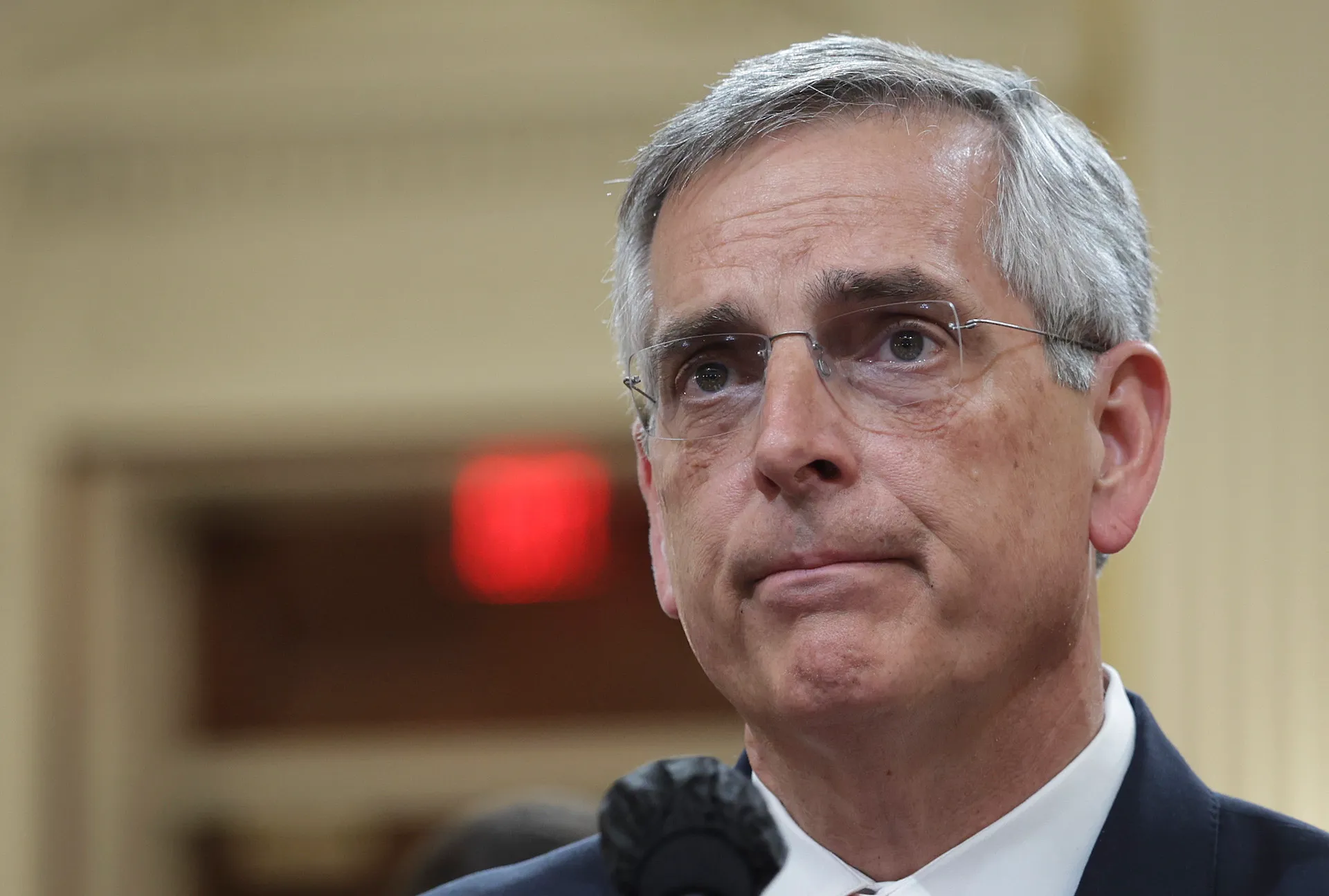
Georgia Officials: Anthropic AI Agent Accessed Public Election Data, Not Voter Records
An artificial intelligence agent developed by Anthropic accessed publicly available election information through Georgia’s digital platform on October...
Florida-Georgia game relocates to Atlanta due to stadium renovations
Atlanta Claims the Gridiron Classic While Jacksonville Pivots for Halloween There will be no RV City, no World's...
Ohio LLC vs. Delaware C-Corp: How to Choose Your Entity
Choosing between an Ohio LLC and a Delaware C-corp comes down to a single question: are you going...