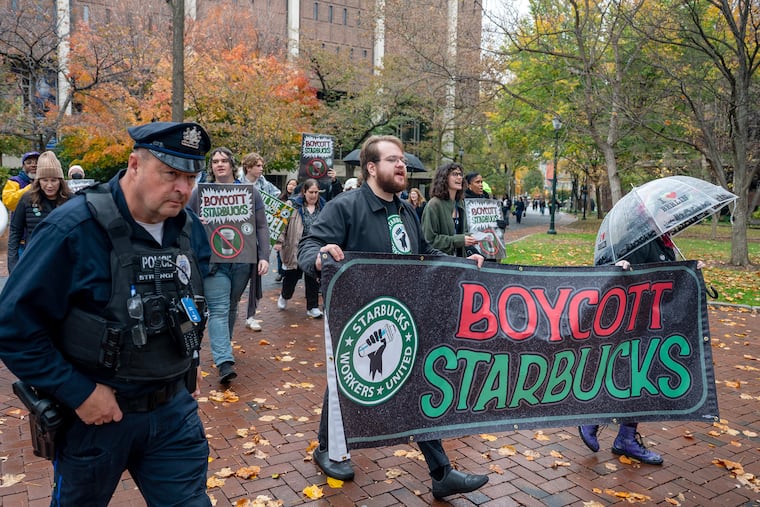
Starbucks workers and labor organizers staged a rally on Thursday at the University of Pennsylvania to demand that campus leadership sever commercial ties with the coffee chain until baristas secure a collective bargaining agreement.
The demonstration at the intersection of 34th and Walnut Streets in Philadelphia gathered roughly 30 attendees, including union organizers and student supporters. Demonstrators urged the university to halt operations with the company across its campus dining halls and cafes.
The action forms part of a coordinated series of campus rallies organized by Starbucks Workers United across multiple institutions, including Northwestern University and the University of Pittsburgh. A student coalition group named Students Against Starbucks delivered a formal letter outlining the boycott demands to the president of the university on Thursday.
“We’re calling on Penn to cut its ties with Starbucks,” president of Workers United Lynne Fox said, addressing the crowd. “We’re saying that they shouldn’t give Starbucks access until baristas get a fair contract.”
A representative for the university did not respond to a request for comment regarding the boycott demands.
The Escalation Ahead of Red Cup Day
The demonstration arrived just days before Starbucks’ Red Cup Day, an event historically marked by labor friction. In 2025, Philadelphia baristas joined a multi-city work stoppage on Red Cup Day, following similar holiday-season walkouts in prior years.
Matthew Valenzuela, a 25-year-old barista at the 16th and Walnut Streets Starbucks in Philadelphia who participated in strikes, described the pressure facing employees.
“After a three-month-long strike, we still don’t have a contract,” said Matthew Valenzuela. “So we have to hit them again, and we have to hit them differently. Our ask here today is we’re asking your whole organization to boycott Starbucks.”
Starbucks spokesperson Melissa Diaz said that the company did not anticipate meaningful operational disruptions based on past actions of a similar nature. Diaz said that store partners and coffeehouses remain focused on delivering the holiday season experience to customers.
Core Demands and Ongoing Bargaining Stalls
Unionized baristas are currently pushing for a minimum wage of $17 alongside 4% annual raises. Additional contract proposals include job security and a mandate requiring at least three staff members on duty during all shifts.
Starbucks counters that its compensation package offers competitive pay alongside benefits such as healthcare coverage, paying for college tuition, and up to 18 weeks of paid parental leave, bringing total average compensation to approximately $30 an hour.
Valenzuela, who currently earns roughly $19.50 per hour, contested the characterization of the role as simple or low-skilled labor, pointing to the physical demands of closing shifts, rapid beverage preparation, customer engagement, and promotional tasks such as handwriting personalized messages on cups.
Since the first union election in Buffalo in 2021, Starbucks Workers United has grown to represent more than 12,000 employees across almost 700 stores, accounting for roughly 5% of the company’s U.S. baristas, according to union and company figures.
Despite recent negotiation sessions held earlier in the week, labor representatives report minimal progress at the bargaining table. Fox said that discussions involve extensive posturing without yielding substantive changes, while the company maintains that it continues to engage in good-faith collective bargaining.
“We’re not going anywhere,” said Fox. “Have you met us?”
Related reading
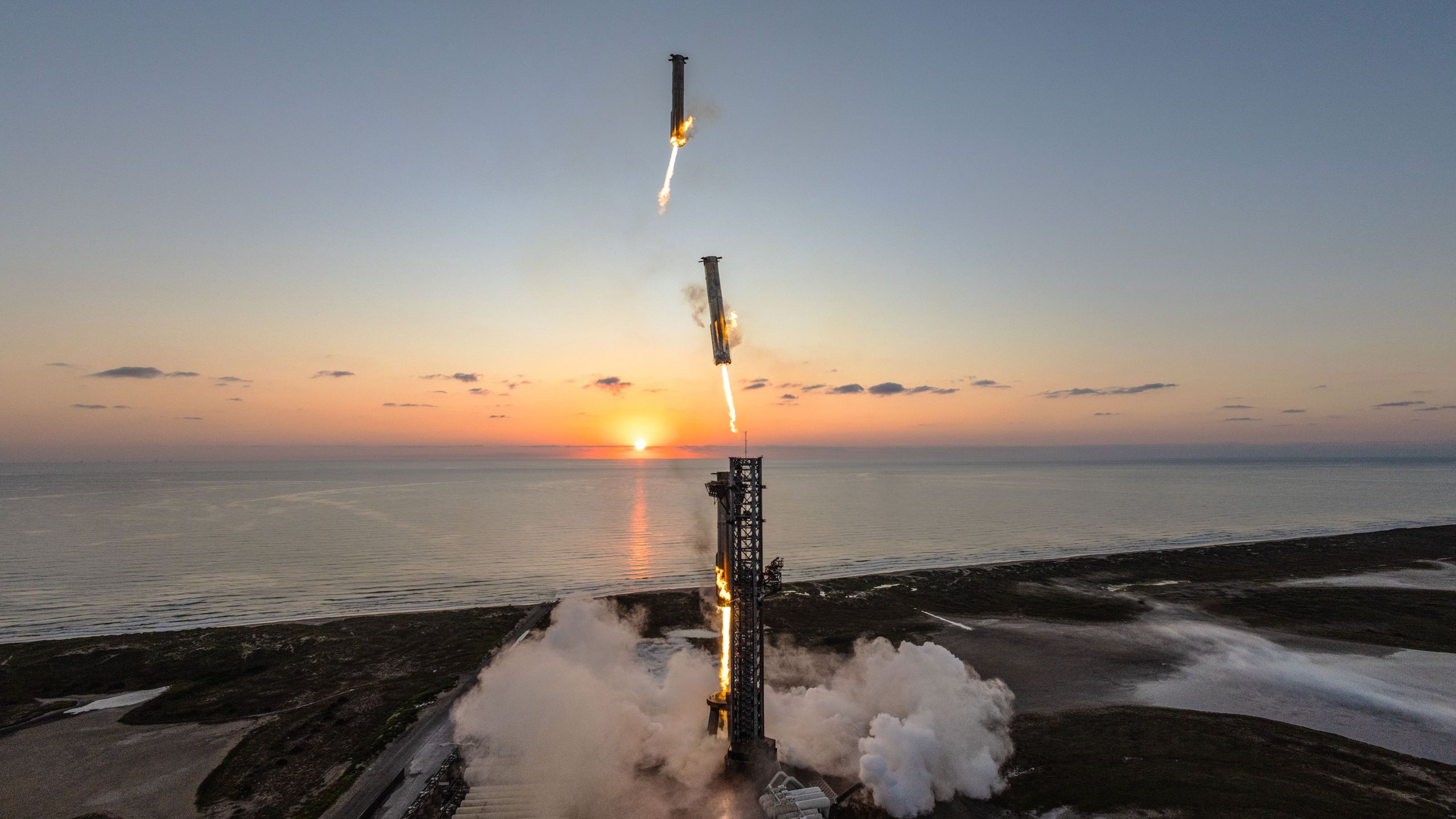
SpaceX Plans Starship Flight 15 With Double-Catch Landing Attempt
SpaceX plans to launch its Starship megarocket on its 15th test flight today during a 75-minute window opening...
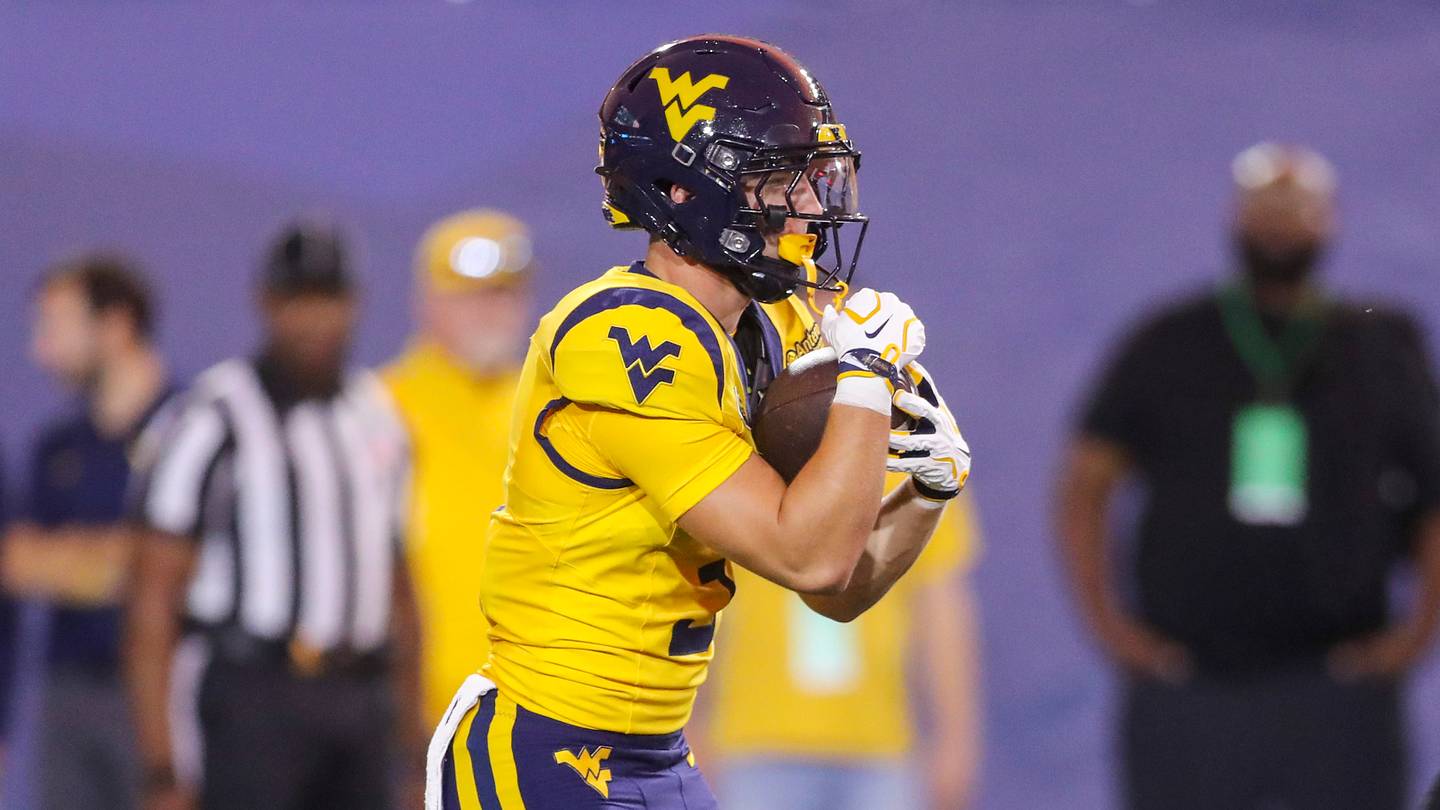
West Virginia and Kansas Release Initial Injury Lists
The West Virginia Mountaineers and Kansas Jayhawks have each submitted their first availability report of the week, with...

Wisconsin Democrats to Hold Control and May Challenge Act 10
Democrats will hold total control of Wisconsin state government in just a couple of months, raising urgent questions...

JNIM and ISSP Fight Deadly Battles Along Burkina Faso-Mali Border
Armed fighters from two competing groups are locked in a series of increasingly deadly battles along Burkina Faso’s...