
A frozen turkey must be thawed before cooking — in the refrigerator, in cold running water, or in a microwave — but each method carries risk, Schaffner said.
Refrigerator thawing takes roughly 24 hours for every 4 to 5 pounds of bird, according to the U.S. Department of Agriculture. Birds thawed by water or microwave must be cooked immediately.
“Anything that hits that surface and generates spray is going to basically spread contamination around your kitchen,” Chapman said. Instead of rinsing, pat the turkey dry with paper towels and discard them, or use a kitchen towel and disinfect it in the laundry, the scientists said. The USDA provides online thawing and cooking calculators for reference.
Turkey must reach an internal temperature of 165 degrees Fahrenheit (73.8 degrees Celsius). The only reliable check is a tip-sensitive digital thermometer inserted into the innermost thigh without touching bone, Chapman said. Plastic pop-up indicators embedded in some commercial birds can activate before the meat is fully cooked, his past research shows. Golden-brown skin, lack of pink meat, and clear juices are not dependable doneness markers.
“Cooking takes longer with big masses of food. Cooling takes longer with big masses of food,” Donald Schaffner, a food science expert at Rutgers University, said.
Bacteria multiply rapidly between 40 and 140 degrees Fahrenheit (4 to 60 degrees Celsius). Hot dishes should stay hot and cold dishes cold until serving. Leftovers need to be refrigerated within two hours of coming off the stove, Schaffner said. Dense items such as sliced turkey, sweet potatoes, and gravy cool fastest in shallow containers no deeper than 2 inches, his recent research showed.
Donald W. Schaffner, the director of the Food Science Graduate Program at Rutgers University, has served as a go-to authority on foodborne pathogens for national outlets. In 2020, he told TODAY Food that all investigated coronavirus cases were linked to respiratory transmission rather than food consumption, reinforcing his role in translating microbiology for public safety.
His recent research at Rutgers demonstrated that dense leftovers such as sliced turkey and gravy cool fastest in shallow containers no deeper than 2 inches, a finding that directly shapes USDA-aligned guidance on the two-hour refrigeration window.
Use separate cutting boards and utensils for raw poultry and ready-to-eat foods. Wash hands before cooking and after handling raw meat. Clean contaminated surfaces with soap and water first, then sanitize with a disinfectant — a two-step process the specialists emphasized.
Related reading
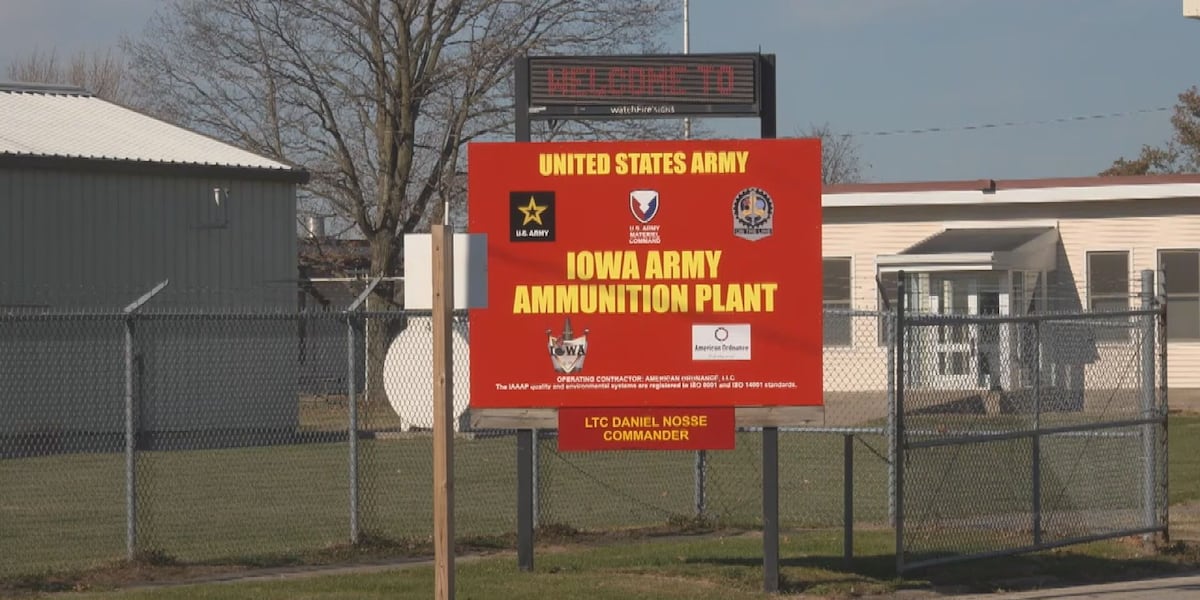
Missouri Activates Monitoring Plan Ahead of Iowa Ammunition Detonation
Detonation scheduled for Monday, Nov. 23 at the Iowa Army Ammunition Plant in Middletown Middletown sits 57 miles...

In a column for the Juneau Empire
In a column for the Juneau Empire, Van Abbott argues that Congress should demand a detailed spending plan...

Georgia Remains No. 1 in AFCA Coaches Poll for Third Straight Week After 34-6 Win at South Carolina
Georgia remained No. 1 in the AFCA Football Coaches' Poll after the 12th week of the season, holding...

Guardian: Dems Flip US Senate Seat, 5 House Seats in NC; Hudson Loss Reported
Democrats flipped a U.S. Senate seat and five House seats in North Carolina this week, the first Senate...