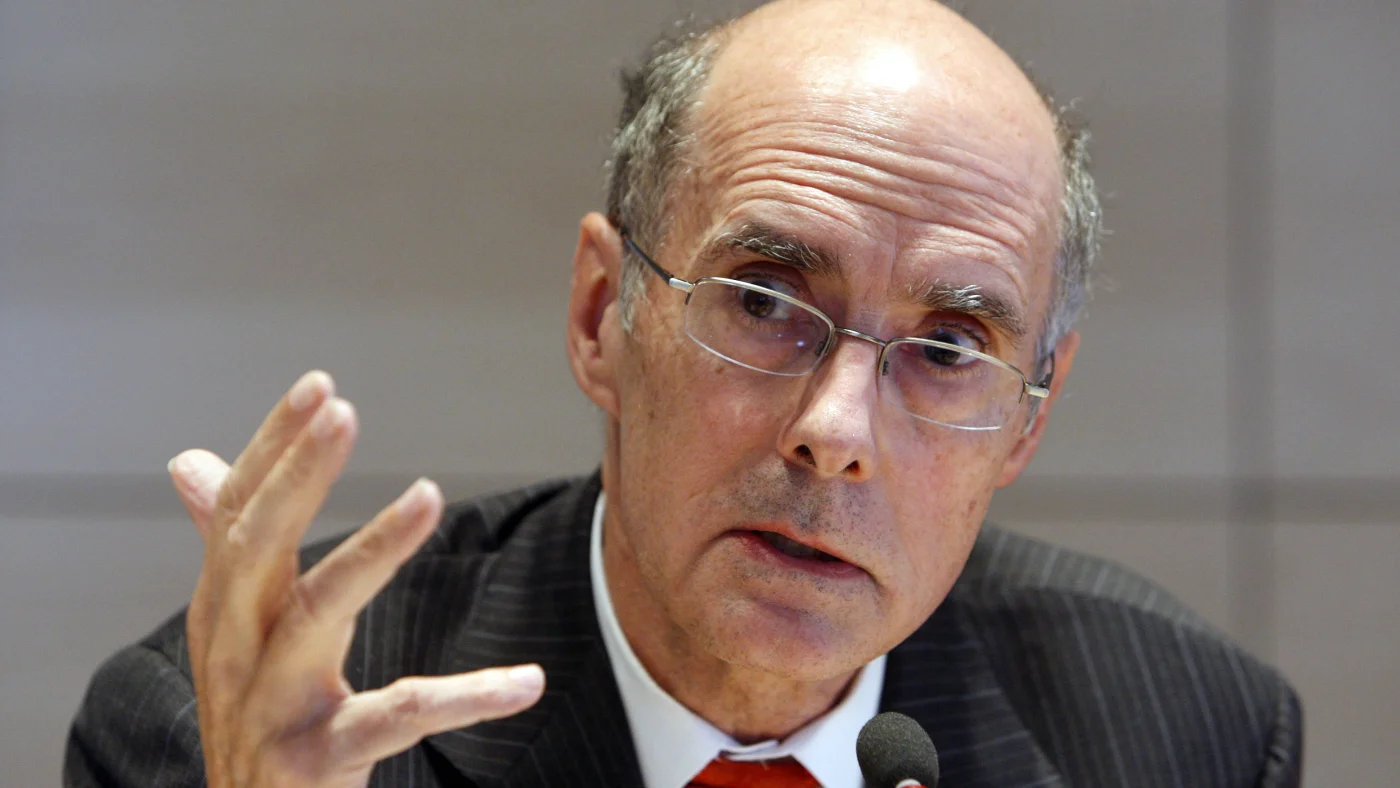
Strobe Talbott, the journalist-turned-diplomat who steered Clinton-era Russia policy and negotiated with India after its 1998 nuclear tests, died Thursday at his home in East Hampton, New York. He was 80.
- Talbott served as deputy secretary of state from 1994 to 2001 under President Bill Clinton.
- He led 14 rounds of talks with India’s Jaswant Singh across seven countries after the Pokhran tests.
- Later he headed the Brookings Institution for 15 years, from 2002 to 2017.
- His son Devin confirmed he died peacefully after a long illness.
Khrushchev Memoirs Launched a Career
Talbott’s career arc began with his education at Yale and Oxford.
In 1970, while writing a dissertation on Russian literature, he was tapped by Time magazine to translate the smuggled memoirs of Nikita Khrushchev, the Soviet leader ousted in 1964.
The assignment launched a 21-year run at Time, where he became Washington bureau chief and a foreign-affairs columnist focused on U.S.-Soviet relations.
RIP Strobe Talbott, who made his name translating Khrushchev's secret memoirs and became the architect of Bill Clinton's efforts to bring Russia into the community of nations before Putin took over. As @tripgabriel writes, "Mr. Talbott radiated gravitas." https://t.co/7DqCGrKjYd
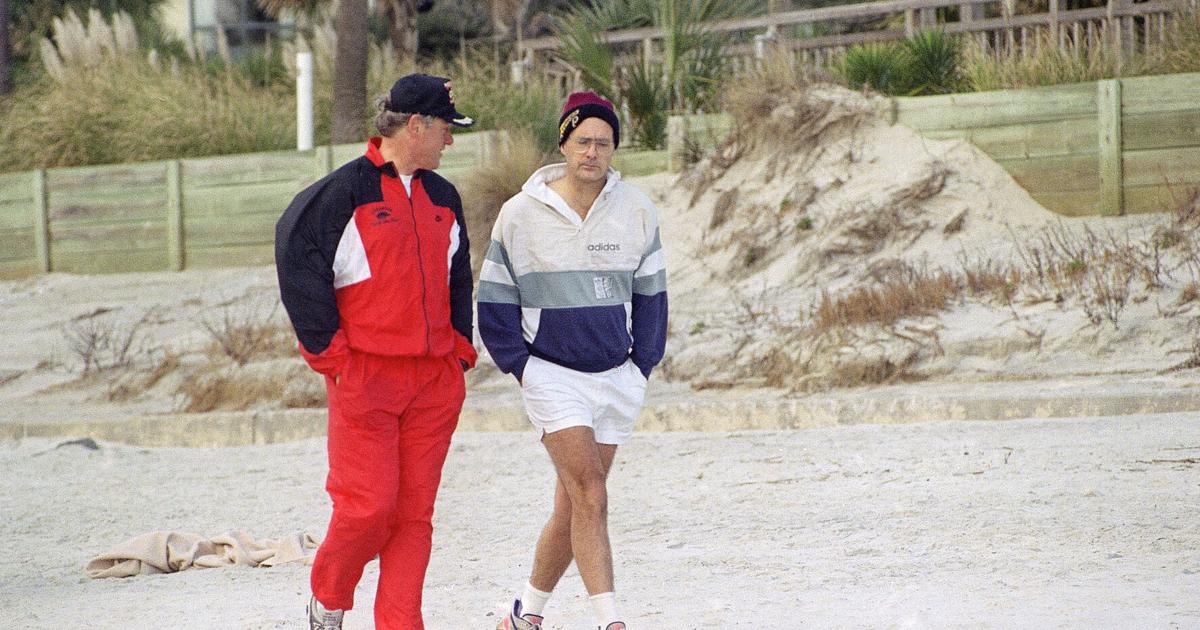
At Oxford he also shared quarters with a future president — Bill Clinton, who later joked that his job in their apartment was making Talbott breakfast every morning.
Shaped Russia Policy and India Dialogue
As deputy secretary, Talbott became the administration’s chief strategist on post-Soviet Russia.
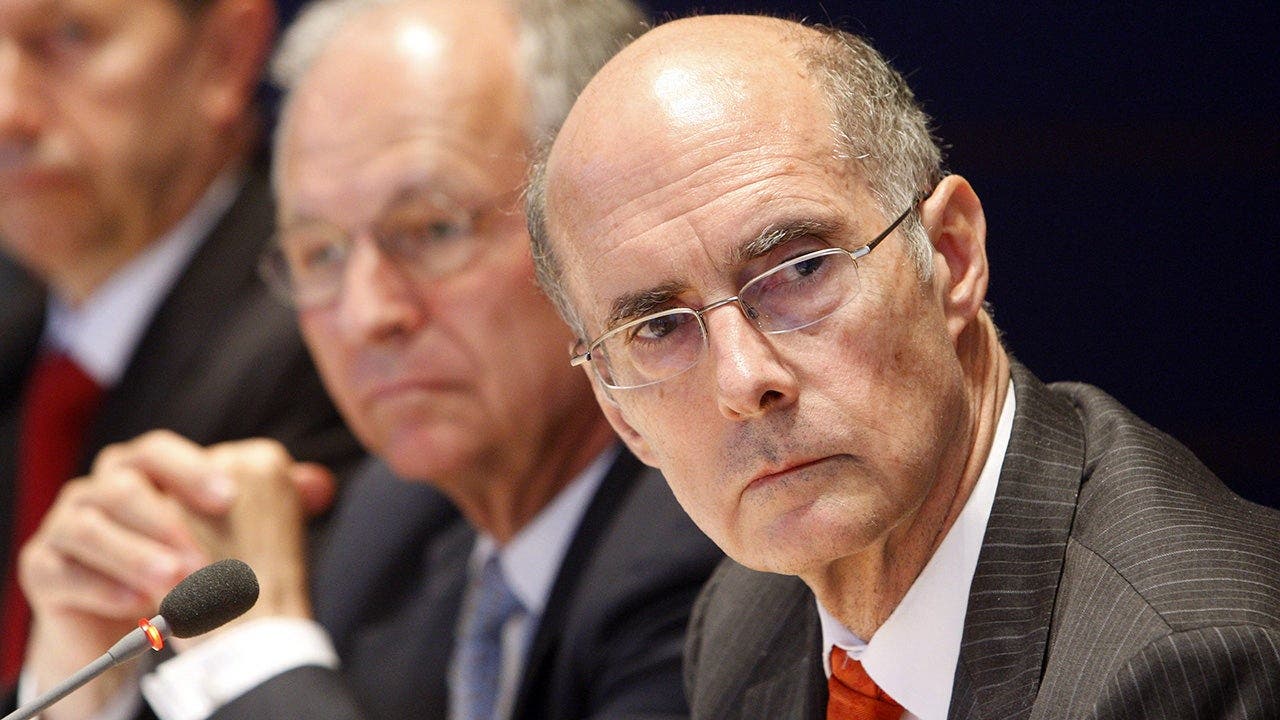
Clinton said “no one was better suited” to advise him on Russian affairs, crediting Talbott with progress on NATO expansion, Balkan peace efforts, and nuclear-risk reduction.
“With his expertise, we made real progress building trust between two former adversaries — moving beyond decades of confrontation to reduce the nuclear dangers future generations would inherit,” Clinton said.
Talbott’s other major portfolio was the U.S.-India dialogue after the May 1998 Pokhran tests.
Strobe Talbott was a protean man: Russia Hand, influential journalist, brilliant diplomat. A great friend and mentor to many of us in the State Department. Rest in peace. https://t.co/T5ahpxOLte via @NYTimes
Between June 1998 and September 2000, he met Indian counterpart Jaswant Singh 14 times in seven countries on three continents — a marathon chronicled in Talbott’s 2004 book Engaging India: Diplomacy, Democracy, and the Bomb.
At a 2006 event he linked that dialogue to the 2004 Next Steps in Strategic Partnership and the 2005 civil nuclear initiative.
RIP Strobe Talbott, brilliant journalist @TIME, translator of Khrushchev’s secret memoir, Clinton pal, leading diplomat, and friend. When I came to DC as a miscast foreign @WSJ correspondent to run the @AtlanticCouncil, Strobe took the time to share his wisdom and counsel from a…
Yet he later voiced “profound and persistent concerns” about the nuclear deal, arguing it weakened the nonproliferation regime by granting India exceptional treatment. He called the Senate’s 1999 rejection of the Comprehensive Nuclear-Test-Ban Treaty “a black day for the cause of nonproliferation.”
Recalling how the United States had helped India build connections with the wider world, Singh told Talbott: “You led us across the bridge.”
Led Brookings and Issued Final Warning
After leaving the State Department in January 2001, Talbott founded the Yale Center for the Study of Globalization and then led the Brookings Institution from July 2002 until October 2017. He also chaired the State Department’s Foreign Affairs Policy Board under Secretaries Hillary Clinton and John Kerry.
A prolific author, his final book, Our Founders’ Warning: The Age of Reason Meets the Age of Trump, appeared in 2020.
Talbott also authored over a dozen books.
Strobe Talbott, TIME man, deputy sec state, Brookings president, has died. He was 80. https://t.co/bTVq4aG7tg
“Strobe was a good and brilliant man who made our world more peaceful and secure,” Clinton said.
Clinton said both he and Hillary were “deeply saddened” by the loss of “a wonderful friend, and a world-class human being.”
Talbott is survived by his wife, author Barbara Lazear Ascher; sons Devin and Adrian; and six grandchildren. His first wife, Brooke Shearer, died in 2009.
Middletown Residents Reflect on Safe Lead Azide Detonation at Iowa Ammo Plant
"This time yesterday, it was, it was pretty crazy around here," said Tim Thomann, who has lived in...

Dylan McIlrath Arrives in Grand Rapids, Helps Griffins Win Calder Cup
Dylan McIlrath arrived in Grand Rapids on March 1, 2017, after playing for five teams in one season,...
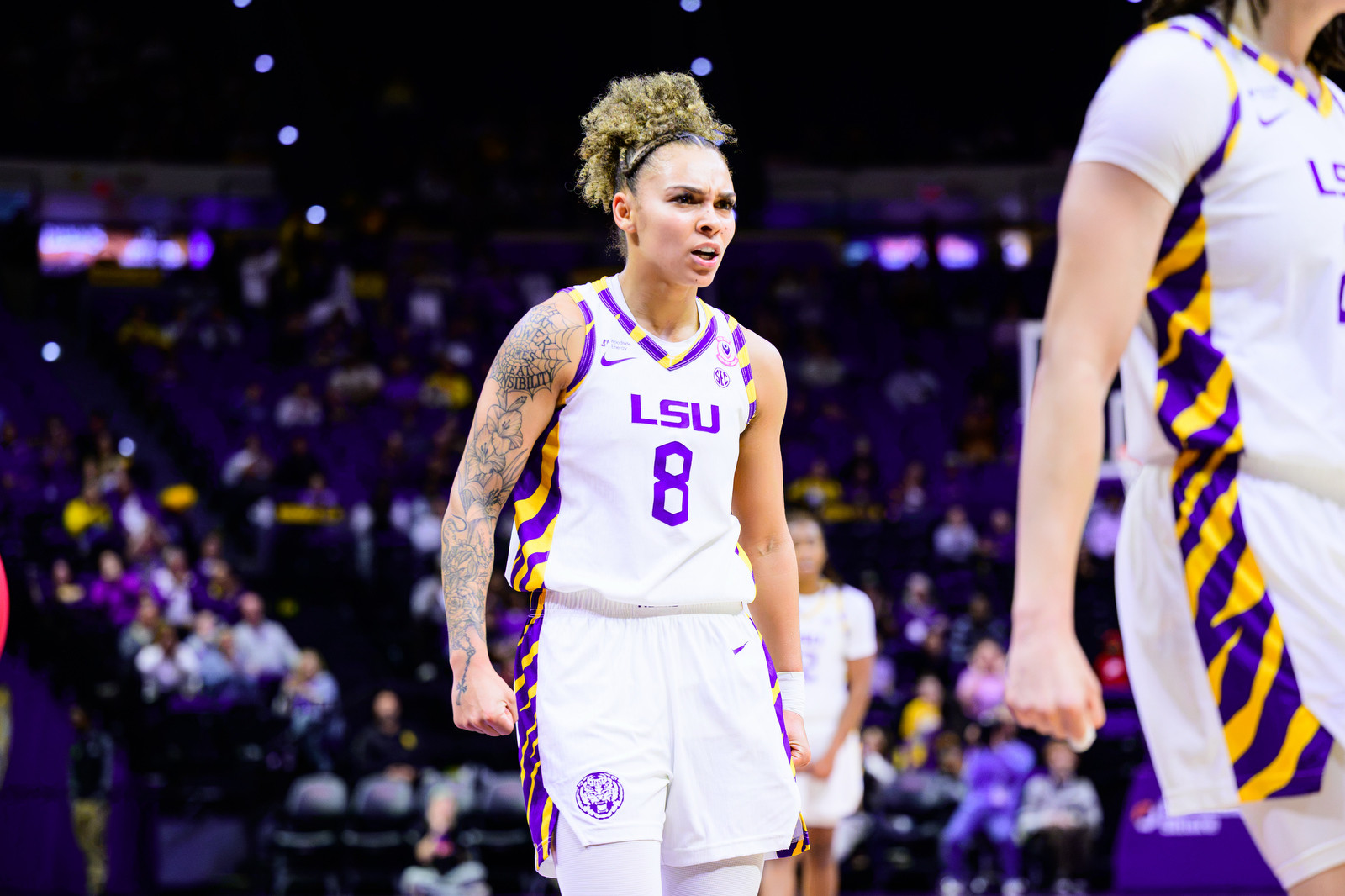
No. 9 LSU Opens Fort Myers Tip-Off vs. Villanova Seeking Eighth Straight Win
No. 9 LSU women's basketball opens the 2026 Fort Myers Tip-Off on Friday against Villanova at 3:30 p.m....

Colorado Dancers Face Thousands in Costs After Historic Macy’s Parade Postponement
Eight dancers from Pueblo's Sarah Shaw Dance Studio face unexpected costs after the Macy's Thanksgiving Day Parade was...