
Shoulder injuries after vaccination remain rare, but COVID-19 shots carried a 63% higher relative risk than flu shots in a study of nearly 1.9 million doses, researchers reported November 4 in JAMA Internal Medicine.
- 1.84 SIRVA cases per 10,000 COVID-19 vaccinations versus 1.15 per 10,000 flu vaccinations
- Absolute increase of roughly seven extra cases per 100,000 COVID-19 doses
- No statistically significant difference versus high-dose flu vaccine in adults 65 and older
- Median time to first clinical visit: 46 days after flu shot, 51.5 days after COVID-19 shot
Study design and case confirmation
Influenza vaccination served as the active comparator, and the authors used inverse probability of treatment weighting with robust Poisson regression to adjust for differences between groups.
Presumed SIRVA cases were first identified through shoulder-related diagnosis codes, then a natural language processing algorithm previously validated by the authors searched clinical notes. “Probable” and “possible” cases underwent manual review, and an orthopedic surgeon independently reviewed 40 of them.
Population characteristics and vaccine distribution
The study included 1,366,362 individuals across 1,901,588 vaccinations, with a mean age of 58.4 years; 782,994 (57.3%) were female.
After excluding 70,952 simultaneous same-arm COVID-19 and flu shots, the final analysis comprised 1,830,636 vaccinations: 596,614 COVID-19 doses, 99.98% of which were Pfizer-BioNTech mRNA, and 1,234,022 flu doses, two-thirds standard-dose inactivated quadrivalent and one-third high-dose inactivated quadrivalent.

Age-specific findings and proposed mechanisms
SIRVA incidence rose with age for both vaccines.
They emphasized correct injection technique, training in anatomical landmarking, and appropriate needle selection, especially for older adults, while noting that unmeasured factors such as needle length and injection technique limit the study’s generalizability.
JAMA Internal Medicine ranks among the top echelon of general internal medicine journals, holding a 2022 impact factor of 39.0 that placed it 7th out of 168 titles in the Journal Citation Reports category “Medicine, General & Internal.”
The journal also sits in the first quartile (Q1) of the Medicine subject category by SJR score, a tier reserved for the top 25% of journals and widely used by universities and funders as a benchmark for high-impact publication. Acceptance therefore signals that the study survived rigorous peer review at a venue whose standing is comparable to Annals of Internal Medicine and the leading JAMA specialty journals.
The retrospective cohort study at Kaiser Permanente Southern California analyzed 1,901,588 vaccinations given to 1,366,362 adults from August 1, 2023, through April 30, 2024. Influenza vaccination served as the active comparator. After excluding 70,952 simultaneous same-arm COVID-19 and flu shots, the primary analysis included 596,614 COVID-19 vaccinations — 99.98% Pfizer-BioNTech mRNA — and 1,234,022 flu vaccinations, two-thirds standard-dose and one-third high-dose, AJMC reported.
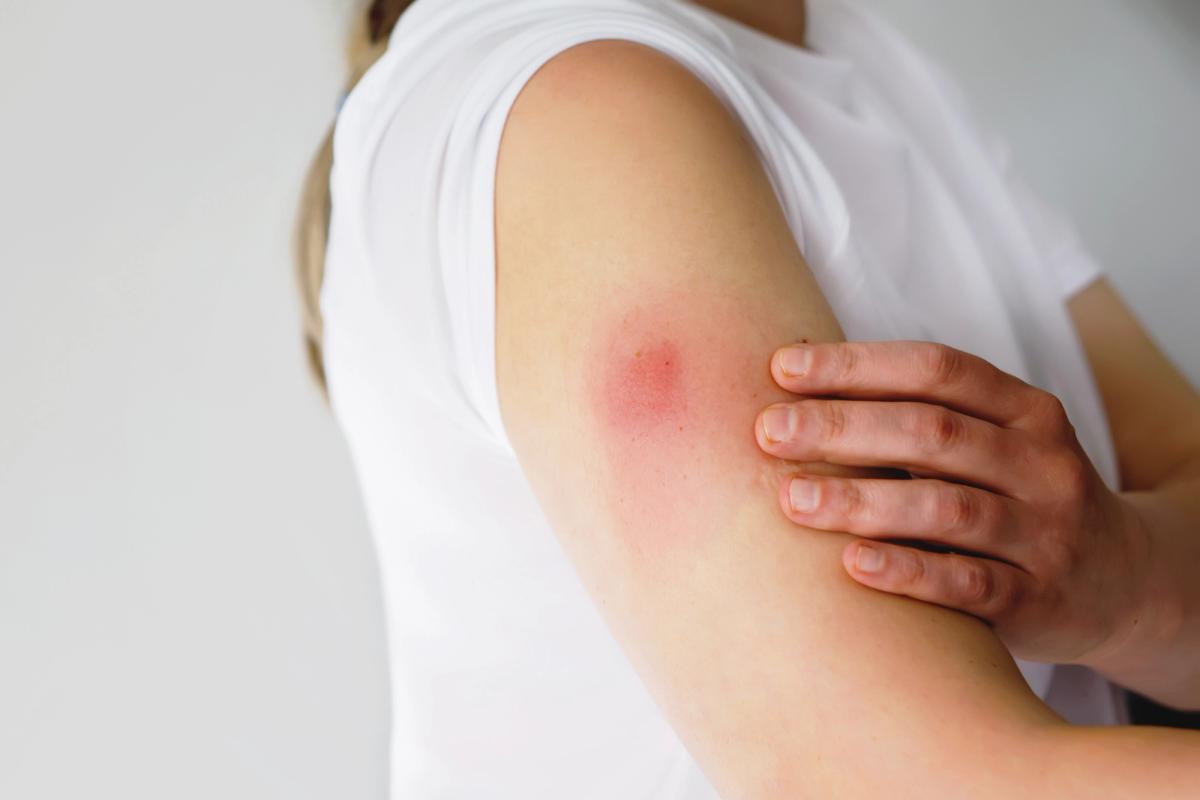
Researchers identified 252 confirmed cases of shoulder injury related to vaccine administration, or SIRVA: 110 after COVID-19 vaccination and 142 after flu vaccination. The adjusted relative risk was 1.63 (95% CI, 1.16–2.28). SIRVA was defined as shoulder symptoms in the vaccinated arm beginning within seven days, lasting more than 30 days, with vaccination identified as a possible cause and no other identifiable cause. The condition was added to the National Vaccine Injury Compensation Program injury table in 2017.
“The benefits of COVID-19 and influenza vaccination in preventing severe disease and hospitalization may outweigh the small absolute risk of SIRVA,” the study authors wrote.
Among adults 65 and older, COVID-19 vaccination showed a higher risk than standard-dose flu vaccine, but that comparison rested on only nine SIRVA cases after standard-dose shots. Risk did not differ significantly from high-dose flu vaccine, which accounted for most flu shots in that age group.
Incidence rose with age for both vaccines. The authors suggested age-related anatomical changes — deltoid muscle loss, fatty infiltration, reduced rotator-cuff blood supply, and degenerative shoulder changes — may explain the pattern.
SIRVA was rarely documented by name in medical records, appearing in just seven of 252 confirmed cases. Patients typically waited several weeks before seeking care; 94.7% of confirmed cases had symptom onset within two days of vaccination, yet the median first encounter was 46 days after flu vaccination and 51.5 days after COVID-19 vaccination.
An accompanying editor’s note by Alexander Chaitoff, MD, MPH, of the University of Michigan Medical School, and Mitchell H. Katz, MD, of NYC Health + Hospitals, stated: “This study provides reassurance that SIRVA is rare after COVID-19 and influenza vaccination and enduring local complications from either vaccine are likely outweighed by their proven benefits.”
The authors cautioned that the single health system, near-exclusive use of Pfizer-BioNTech COVID-19 vaccine, observational design, and unmeasured factors such as needle length and injection technique limit generalizability. They emphasized correct injection technique and training in anatomical landmarking and needle selection, especially for older adults.
Keep reading

Beaver Supermoon Rises With Pleiades Star Cluster Tonight
November's Beaver Moon reaches peak illumination Tuesday at 9:53 a.m. Eastern, the first of three consecutive supermoons through...

Oxfam Report: 99% of Gaza Shows Potential Environmental Contamination
More than 99 percent of the Gaza Strip shows indicators of potential environmental contamination, Oxfam and the Conflict...

Lexie Shoaibi Embraces ‘Super Woke’ Label on HasanAbi Stream
Lexie Shoaibi, the actor and motion-capture performer behind Mandy in Rockstar Games’ Grand Theft Auto 6, appeared on...

Auckland Bottle Store Drops Licence Appeal After Police Opposition to Anti-Social Behaviour
A south Auckland bottle shop dropped its liquor licence appeal last week, ending a contentious legal battle over...