
Water clarity in New Hampshire’s Squam Lake does not show a clear, statistically significant link to the survival of common loon chicks, according to a retrospective analysis published on Tuesday.
The study, which examined 35 years of data, examines whether July water clarity was associated with chick survival.
The research, published in Volume 4, Issue 6, utilized Secchi depth records—a standard measure of water transparency—alongside long-term chick counts provided by the Loon Preservation Committee. While previous research in northern Wisconsin suggested that murkier water could reduce chick body mass, the Squam Lake data fails to confirm a similar trend for this New Hampshire population.
Researchers analyzed 114 territory-years across 10 specific loon territories on the lake, tracking 168 hatched chicks, of which 105 survived. When looking at the lake as a whole, the correlation between July Secchi depth and chick survival was r = −0.09. Even when narrowing the scope to individual territories, the results remained inconclusive.
The study found an odds ratio for survival of 1.19 per metre of Secchi depth, but this figure changed depending on the sample or exposure measure used. The data suggests that water clarity is not currently a reliable predictor of whether a loon chick will survive on Squam Lake.
The investigation also looked at total phosphorus. The data showed an inverse relationship between phosphorus and Secchi depth, but the strength of this connection shifted from r = −0.57 to r = −0.28 after adjusting for a change in sampling in the early 1990s, and concentrations cannot identify phosphorus loading.
The researchers also tested a regional random forest model to predict water clarity, but found it underpredicted actual Secchi depths and did not track interannual variation.
The findings ultimately neither establish nor exclude a link between water clarity and chick survival. With foraging habits and chick mass not measured in this specific study, the underlying mechanics of loon survival remain an open question for future field research.
Related reading

Minto Communities’ Latitude Margaritaville Hilton Head Inspired by Jimmy Buffett
Latitude Margaritaville Hilton Head by Minto Communities is inspired by the legendary music and lifestyle of singer, songwriter,...

Mayor Parker and PICA React to Philadelphia’s Record Moody’s Upgrade
Moody's Ratings upgraded the City of Philadelphia to Aa3, marking the first time the city has achieved a...
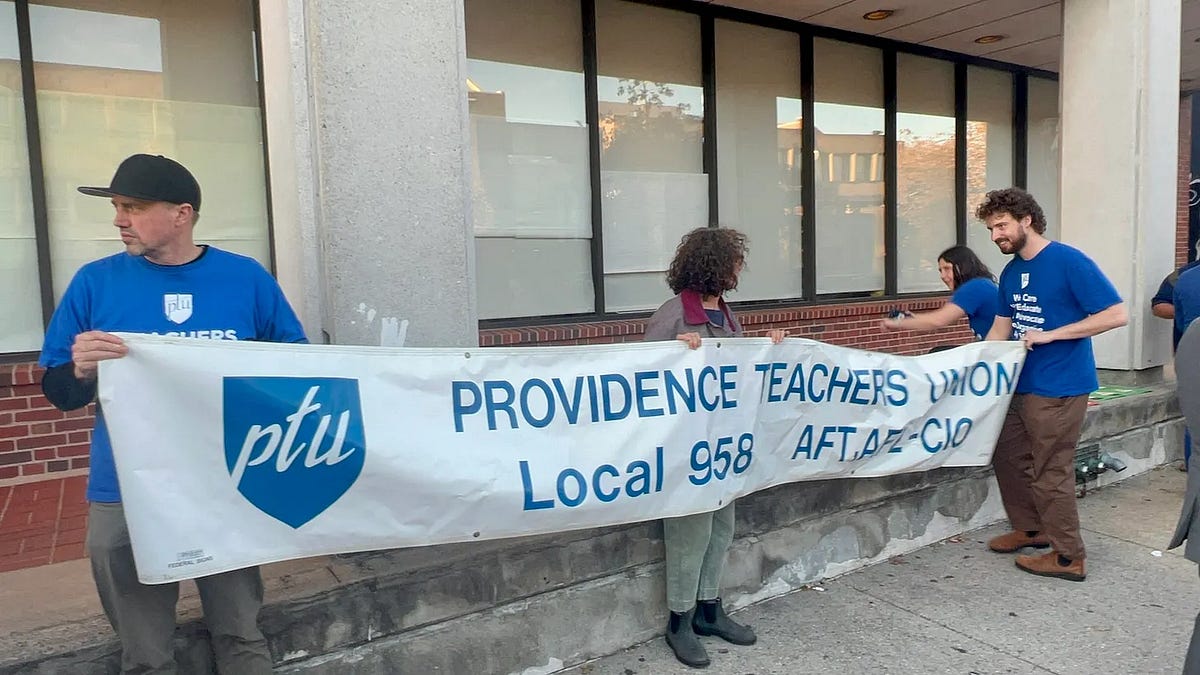
Union Strong Slate Wins Providence Teachers Union Executive Board Election
One thousand three members cast ballots on Monday returning the Union Strong slate to power in a rerun...

Oregon Ducks Beat Michigan 31-7 as Freshmen Take on Major Roles
Freshman safety Jett Washington broke up a fourth-down pass on Nov. 14, 2026, helping the No. 16 Oregon...