Milwaukee Ranks 8th Nationally in Fast Food Spending, Highlighting Deeper Economic and Social Divides
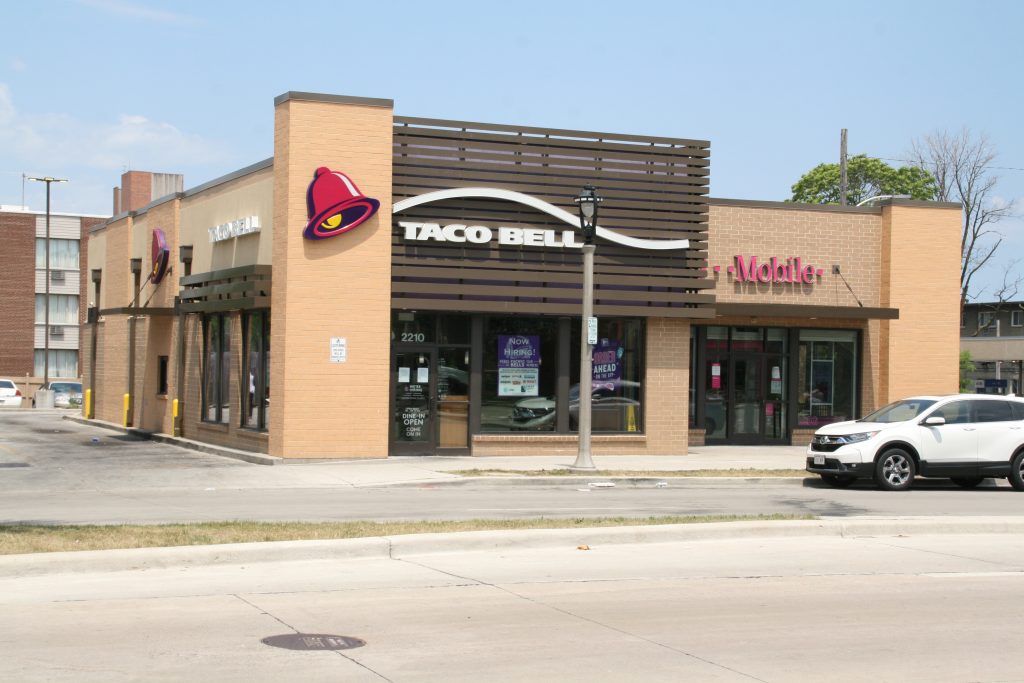
Milwaukee residents spend an average of $24.37 per fast‑food meal, placing the city eighth in the nation for fast‑food expenditure, according to a WalletHub report. The study, which compared the average cost of a burger, fried chicken sandwich, and pizza across the 100 largest U.S. cities, revealed a stark contrast between Milwaukee and its neighbor Madison, which ranked 69th. reported the findings, noting that WalletHub writer Chip Lupo said fast food is often one of the only nearby options for a meal.
The Hidden Cost of Convenience
The $24.37 average per meal in Milwaukee is not just a number—it’s a reflection of a systemic issue. In 2024, the U.S. fast‑food industry generated $423.7 billion in revenue, yet this prosperity is not evenly distributed. For many Milwaukeeans, especially those in low‑income neighborhoods, the rising cost of fast food is compounded by limited access to healthy, affordable alternatives. highlighted that the city’s Near West Side, a community described as a “food swamp,” has a dense concentration of fast‑food outlets and corner stores selling processed foods, with no full‑service grocery store in sight. “It’s not just about price; it’s about access,” said Kirk Harris, an associate professor of urban development at UW‑Milwaukee.
“[Food swamps are] those places where they have high levels of fast food, cheap food stuff, you know, stuff you really shouldn’t be eating on a regular basis, right?”
The term “food swamp” has gained traction in recent years as researchers and policymakers grapple with the reality of food deserts—areas with limited access to fresh produce and healthy food. Milwaukee’s situation is particularly dire. A February report by WTMJ‑TV found that the Near West Side lacks a proper grocery store, forcing residents to rely on convenience stores and fast‑food chains. This lack of access is not unique to the Near West Side; it’s a pattern seen across Milwaukee’s low‑income neighborhoods, where the clustering of fast‑food restaurants exacerbates existing inequalities.
A City Divided by Access
WalletHub’s analysis, while focused on spending, fails to account for the socioeconomic realities that drive fast‑food consumption in cities like Milwaukee. Chip Lupo, a WalletHub analyst, urged consumers to “think critically” about whether fast food justifies its cost. For many Milwaukeeans, the choice isn’t about luxury—it’s about survival. noted that the average fast‑food meal in Milwaukee has become more expensive.

The economic stakes are clear. For Milwaukee’s low‑income households, a larger portion of their already tight budgets is allocated to meals that offer minimal nutritional value. “It’s a paradox,” said Harris. “You’re spending more money for less nutritious food, which can lead to long‑term health issues and even higher healthcare costs.”
For now, the burden falls on residents to navigate a system that often prioritizes profit over people. As fast‑food prices continue to rise and healthy options remain out of reach, Milwaukee’s struggle reflects a broader national crisis. The city’s ranking as eighth in fast‑food spending is not just a statistic—it’s a call to action for policymakers, businesses, and communities to rethink how access to food is distributed.
As the debate over food equity continues, one thing is clear: in Milwaukee, the cost of a meal is more than just a number. It’s a measure of inequality, a reflection of systemic neglect, and a challenge to build a future where everyone has the opportunity to eat well.
Keep reading
Eric Barlow Out-Raises Rebecca Bextel in Wyoming Governor’s Race
Republican gubernatorial nominee Eric Barlow has out-fundraised his Constitution Party opponent, Rebecca Bextel, by nearly four-to-one in the...

Wisconsin Divorce Residency Requirements: Filing Rules and Timelines
To file for divorce in Wisconsin, at least one spouse must have lived in the state for six...

Henrico County Breaks Ground on Water Line and Road Projects
Henrico County is spending over $300 million to ensure its residents never again face the kind of systemic...
West Virginia’s 1993 Storm Was the Snowiest Halloween on Record
For most West Virginians, a white Halloween is a myth or a distant memory, but the record books...