
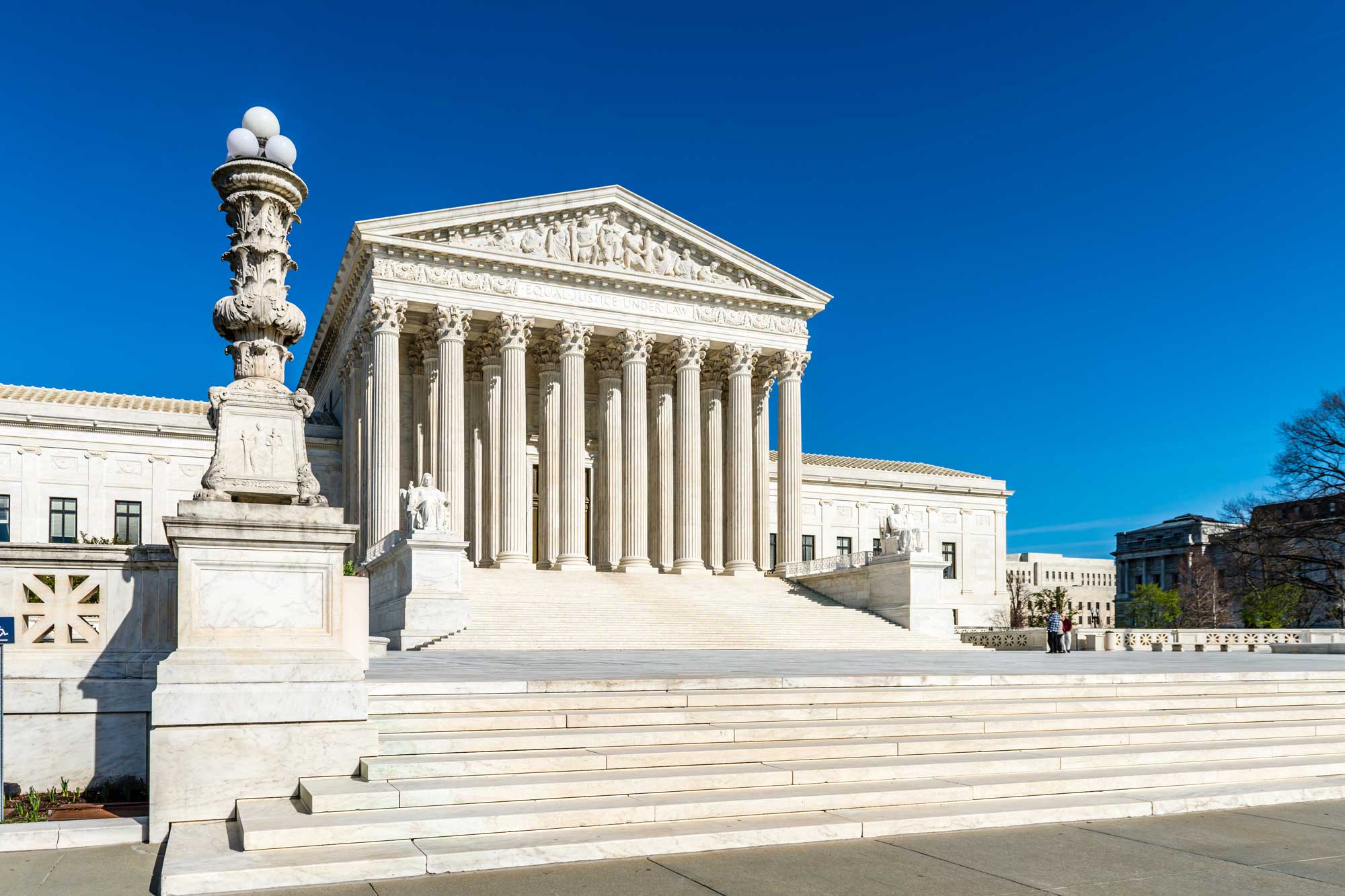
The U.S. Supreme Court declined Monday to hear a legal challenge regarding eminent domain and a stalled redevelopment project in a West Baltimore neighborhood, according to the Maryland Daily Record.
The decision leaves in place a May ruling from the U.S. Court of Appeals for the 4th Circuit, which dismissed a lawsuit brought by three Poppleton couples and their neighborhood association. The plaintiffs had sued multiple defendants, including the Baltimore City government and La Cité Development.
The dispute centers on approximately 14 acres in Poppleton, a majority-Black neighborhood located near downtown Baltimore. In 2006, the city utilized eminent domain to take hundreds of properties and subsequently granted development rights to La Cité, a developer based in New York.
While La Cité promised to create a dense, mixed-use neighborhood, the project has largely failed to materialize. To date, only two apartment buildings have been constructed, and reports indicate those buildings are struggling to secure residents and pay water bills.
The Poppleton Now Community Association and the resident plaintiffs sought a court order to cancel the developer’s exclusive rights to the area. They argued that the city’s original use of eminent domain constituted an improper “taking” because the developer failed to provide the “public use” promised by the government when the properties were seized.
Although the residents in the lawsuit did not lose their own homes to the city, they argued that the years of development inertia have depressed their local property values.
The case has faced setbacks in multiple courts over the last year. In June 2025, the plaintiffs lost their initial challenge in the Maryland U.S. District Court.
When the case moved to the 4th Circuit, Fourth Circuit Judge Pamela Harris wrote that the plaintiffs’ claims were doomed because their own specific properties were not seized via eminent domain.
The Supreme Court’s refusal to intervene means the legal status of the development rights remains unchanged, effectively upholding the lower courts’ dismissals of the community’s claims regarding the failed 14-acre project.

Democrat John Kulewicz Wins Ohio Attorney General Race
Democrat John Kulewicz won election as Ohio’s next attorney general on Tuesday, riding a wave of Democratic victories...

NYC Council Speaker Demands University Testimony on Fraternity Sex Assaults
New York City Council Speaker Julie Menin is demanding that the presidents of 10 major universities testify about...

Dartmouth Health Expands Inpatient Psychiatric Care for NH Youth
The percentage of New Hampshire students reporting persistent feelings of sadness and hopelessness has dropped to approximately 34%,...

Lansing Urgent Care Data Breach Exposes SSNs and Medical Info
A ransomware attack has compromised sensitive patient information at Lansing Urgent Care, exposing Social Security numbers and medical...