
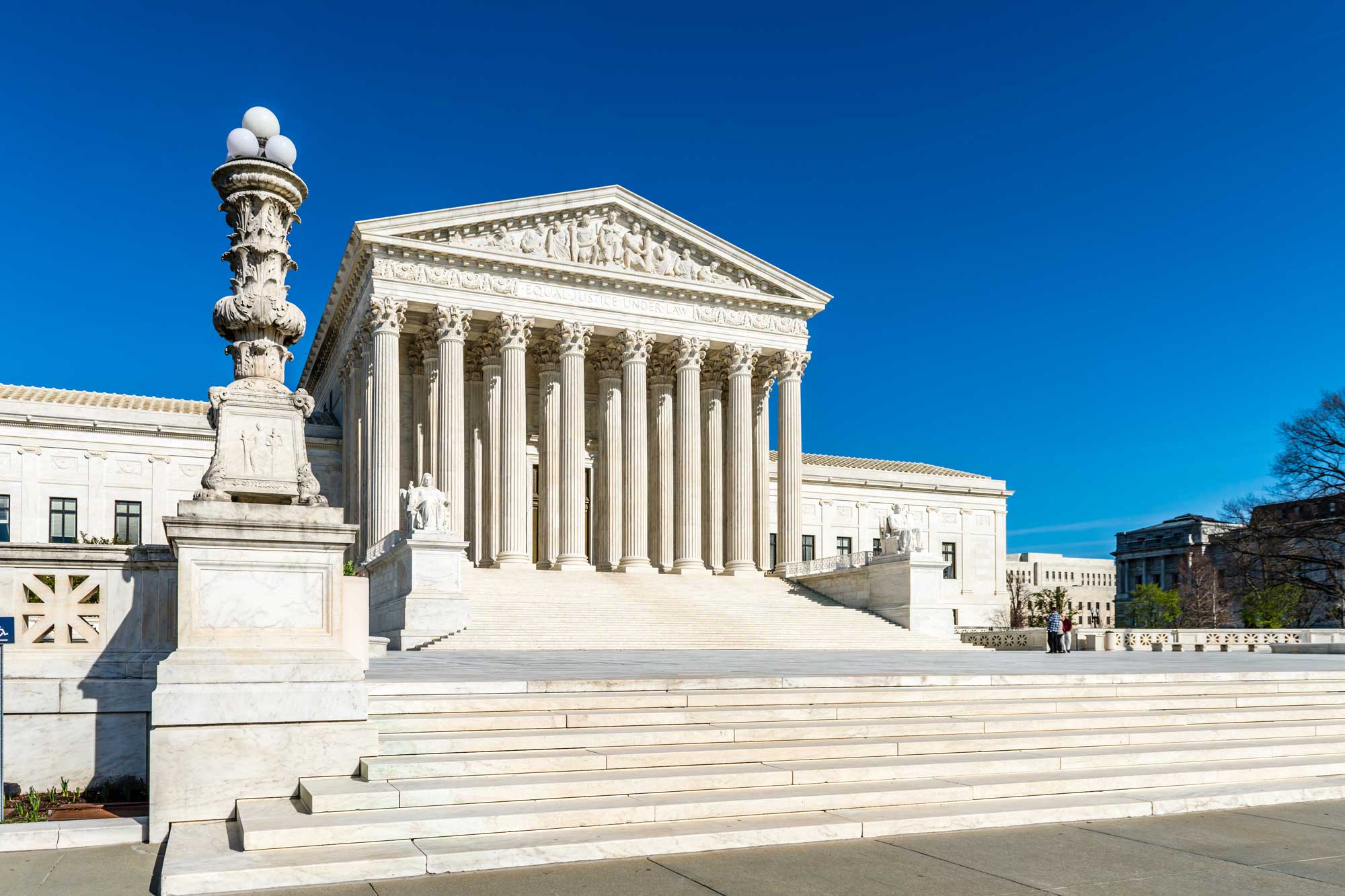
The Supreme Court will hear arguments on December 1 in a case that could finally draw a clear line between legitimate law enforcement and government confiscation that looks a lot like theft.
At stake is a Cessna airplane worth roughly $95,000, seized by Alaska after troopers found a six-pack of Budweiser in a grocery bag aboard the bush plane. The pilot, Kenneth Jouppi, now 83, was convicted of a misdemeanor for knowingly transporting alcohol to Beaver, a dry village 14 miles below the Arctic Circle. He served three days in jail and paid a $1,500 fine.
The dispute lands at a court that has touched the Excessive Fines Clause only twice in modern history. In 1998, Justice Clarence Thomas wrote for a 5-4 majority in United States v. Bajakajian that a forfeiture violates the Eighth Amendment when it is “grossly disproportionate to the gravity of a defendant’s offense.”
Two decades later, in Timbs v. Indiana, the justices unanimously held that the clause applies to the states, forcing Indiana to return a $42,000 Land Rover seized over a $400 heroin sale.
The proportionality puzzle
Lower courts are divided on how to measure that gravity. The Ninth Circuit, which includes Alaska, requires judges to examine the specific conduct of the individual violator. Alaska’s Supreme Court took the opposite approach last year, ruling that the legislature’s judgment about the danger of alcohol in remote villages makes the offense equally grave whether the cargo is sixty pallets of whisky or a six-pack of Budweiser.
“It is clear to us that the legislature determined that the harm from even a six-pack of beer knowingly imported into a dry village is severe enough to warrant forfeiture of an aircraft,” the state justices wrote.
Jouppi’s lawyers, backed by the Institute for Justice, argue that standard renders the constitutional guarantee meaningless. “Under the standard below, the gravity of the offense is the same whether you’re dealing kilos of cocaine or giving your spouse an Ambien,” they wrote in their petition. The plane’s value exceeds the maximum statutory fine by a factor of nine.
Alaska’s defense and the federal position
The state frames the forfeiture as a targeted tool against a documented crisis. “The Alaska legislature made a reasonable judgment to mandate forfeiture to stop the scourge of alcohol-induced injuries and crimes in Alaska’s most isolated villages,” state attorneys wrote.
They note Jouppi fell within the class of defendants the law principally targeted and that the beer he carried had the potential to cause the exact harms the legislature feared.
The Trump administration filed an amicus brief supporting Alaska, emphasizing the long historical pedigree of vehicle forfeiture in American law and drawing a distinction between monetary fines, where judges enjoy broad discretion, and statutory forfeitures that are mandatory by design.
Why the details matter
Jouppi had flown in Alaska since the 1970s with no criminal record. The beer belonged to a passenger visiting her husband, then Beaver’s postmaster. Troopers found 72 beers total on April 3, 2012, but the conviction rested on the six-pack visible in the shopping bag. A jury convicted him of knowingly transporting the alcohol, though Jouppi insisted he was unaware of it.
The practical stakes extend far beyond one bush pilot. Civil asset forfeiture proceeds have soared in recent decades under laws that allow agencies to keep the proceeds when property is sold. A ruling that insists on individualized proportionality could force states to rewrite mandatory forfeiture statutes; a ruling that defers to legislative categorization would effectively license the seizure of high-value property for low-level offenses.
Jouppi’s legal team includes the Institute for Justice, a libertarian public-interest law firm founded in September 1991 that has argued thirteen cases before the Supreme Court and won eleven, including the 2019 decision in Timbs v. Indiana that first applied the Excessive Fines Clause to the states.
The organization, which employs roughly 157 full-time staff members including 64 attorneys across seven offices, has made civil asset forfeiture a signature issue alongside eminent domain and economic liberty.
A decision is expected by early summer.
Worth a look

UAlbany Study: Google AI Hurricane Model Outperforms NOAA Model at 1-5 Days, Matches Human Forecasters After Day 1
Google DeepMind's WeatherNext Cyclone model predicted Hurricane Melissa's track and Category 5 strength a week before landfall in...

Former Moorhead Truck Driver Gets Probation in Crash That Killed Adam Amin, 9
Victor Port, the 65-year-old former Moorhead city truck driver, pleaded guilty Thursday to a single misdemeanor charge tied...

Brightline Suspends Orlando-West Palm Beach Service Friday Due to Flooding
Brightline suspended train service between Orlando and West Palm Beach for Friday, Nov. 20, citing continued flooding and...
Bridgeport Rescue Mission Distributes Nearly 3,000 Holiday Meals to Families
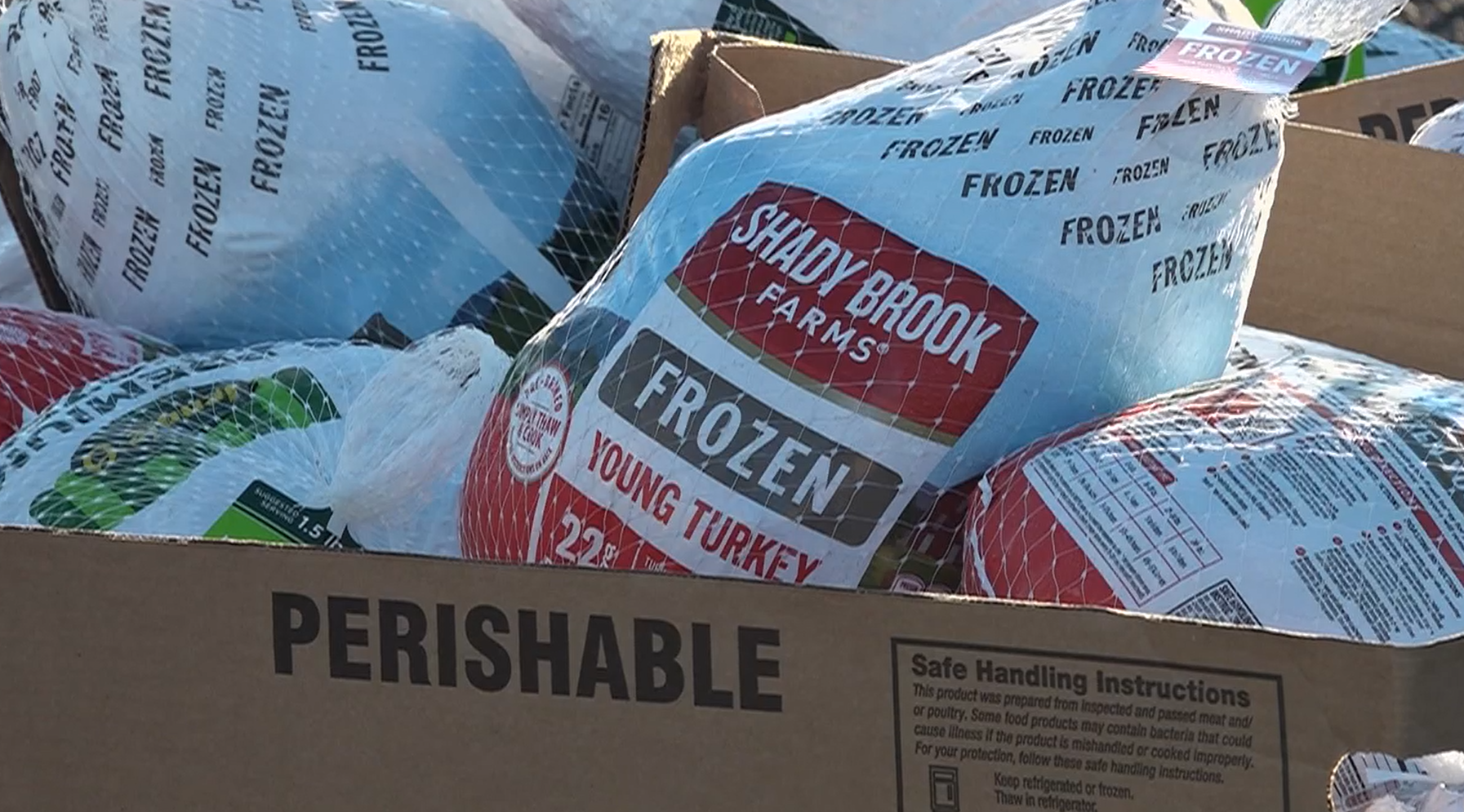
Nearly 3,000 turkeys, hams, chickens and bags of Thanksgiving fixings rolled out of the Hartford HealthCare Amphitheater parking...