
The Supreme Court upheld Quebec's Bill 21 while two justices argued multiple sections are unconstitutional and the notwithstanding clause should have limits.
The Supreme Court of Canada upheld most of Quebec’s secularism law Friday, ruling the province validly invoked the Charter’s notwithstanding clause while also deciding courts may issue declaratory judgments on whether overridden laws would otherwise violate Charter rights.
The court struck down the law’s application to members of the National Assembly who wear face coverings for religious reasons, finding it infringes democratic rights protected by the Charter.
Premier and Prime Minister split on court’s role
Prime Minister Mark Carney took the opposite view. He said it would be "useful in a democracy to really know" when rights are being violated.
Deeply divided court
The seven justices delivered four separate decisions.
Justices Andromache Karakatsanis and Michelle O’Bonsawin argued there should be limits on the clause and that multiple sections of Bill 21 are unconstitutional. Justices Nicholas Kasirer and Sheilah Martin generally sided with Wagner’s bloc while ruling courts can issue declarations of inconsistency even where rights are overridden, Yahoo News reported.
Reactions from advocates and opposition
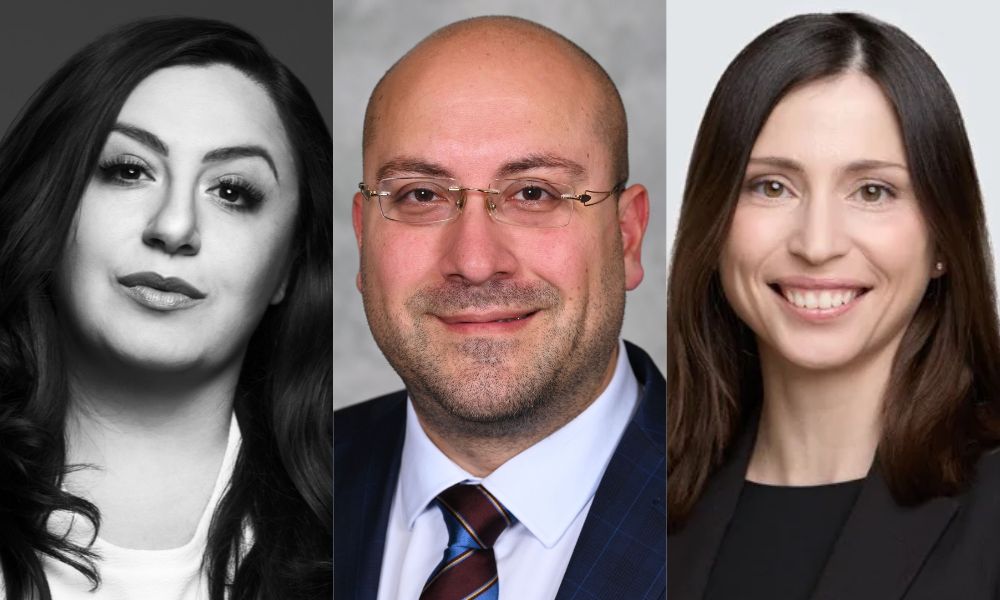
Lawyer Michael Bergman, who represented the Task Force on Linguistic Policy, called the ruling unfortunate.
Stephen Brown, CEO of the National Council of Canadian Muslims, called it "a dark day for Quebec and for Canada" and "one of the biggest rollbacks of charter rights in the history of our country," he told The Gazette.
The notwithstanding clause must be renewed every five years. Quebec’s current invocation expires in 2029.
Worth a look

BGE Customers, Officials Criticize $156M Rate Hike and City Surcharge
Baltimore Gas and Electric customers and city officials criticized a proposed $156 million rate increase and a separate...

DOJ Awards Nearly $150 Million to Hire Over 1,000 Law Enforcement Officers Nationwide
The Department of Justice has announced nearly $150 million in grants to hire over 1,000 law enforcement officers...

Army QB Cale Hellums Faces Rice in Houston for Bowl Eligibility
Army quarterback Cale Hellums faces Rice on Saturday in Houston with a chance to make the Black Knights...
Kansas at Oklahoma State in Season Finale With No Bowl Contention
Kansas hosts its final football game of 2026 at Oklahoma State on Saturday at 5:15 p.m. This matchup...