
December brings a lineup of planetary conjunctions, a Christmas full moon and the year’s strongest meteor shower to the Tallahassee night sky, while NASA’s Voyager 1 spacecraft prepares to become the first human-made object to reach a distance of one light-day from Earth.
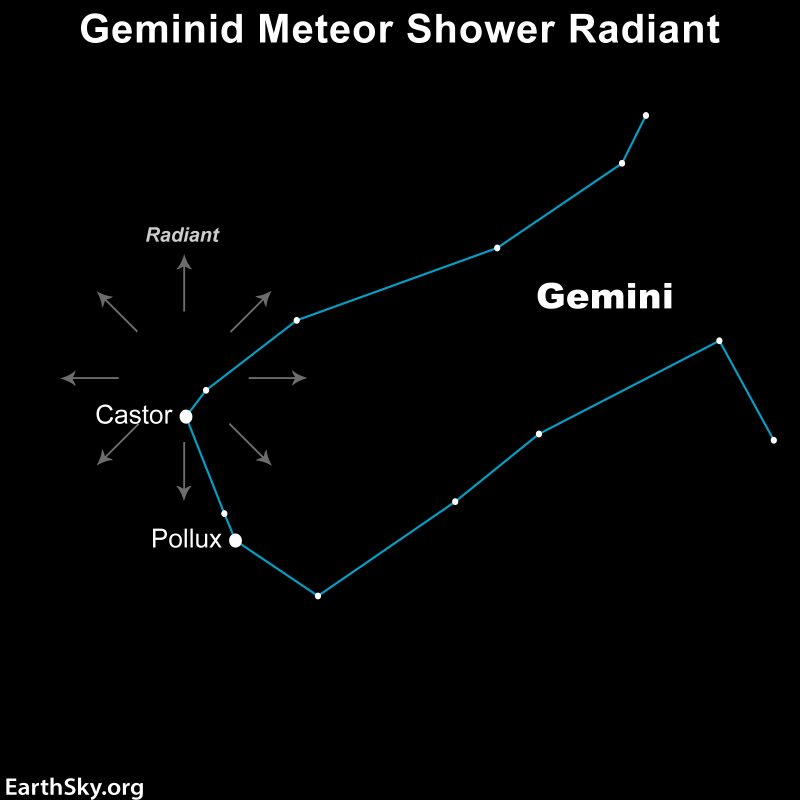
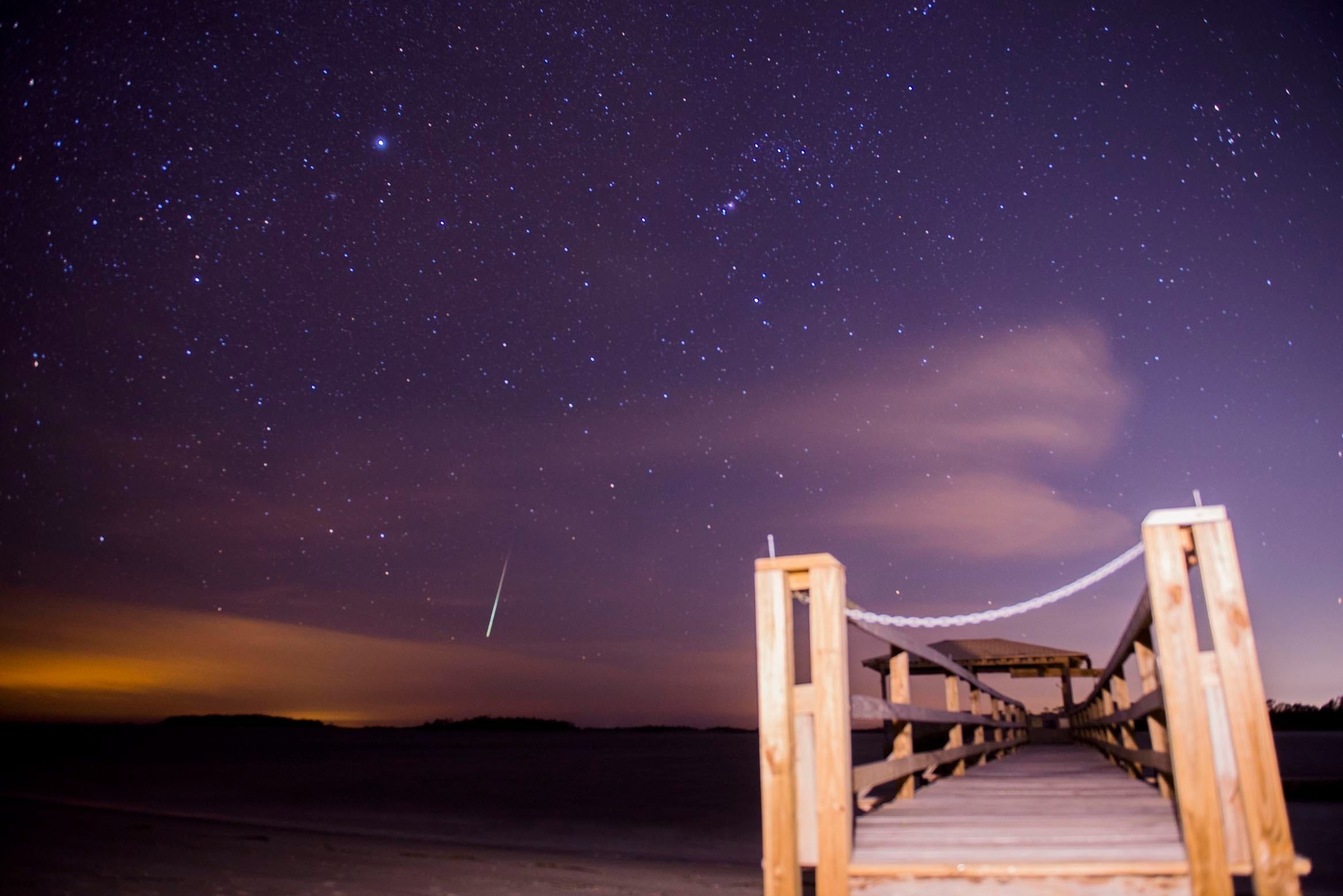
The Geminid meteor shower peaks on the night of Dec. 13-14 with the moon posing minimal interference. EarthSky predicts the peak at 5:44 UTC on Dec. 14, 2026, and notes that a waxing crescent moon about 18% illuminated will set a few hours after the radiant rises, leaving dark skies for the rest of the night.
Under ideal conditions, observers might see 120 meteors per hour. The shower runs from Nov. 19 to Dec. 24, radiating from near the star Castor in the constellation Gemini.
A second shower, the Ursids, peaks at 20:59 UTC on Dec. 22, but a bright gibbous moon will likely hinder viewing. The Ursids typically produce 5 to 10 meteors per hour, though occasional outbursts have reached 100 per hour.
Morning skies feature Venus, Mars and Jupiter in the east. Venus rises around 5 a.m. throughout the month. Mars rises around midnight in early December and at 11 p.m. by month’s end. Jupiter rises around midnight early in the month and at 10 p.m. by Dec. 31.
On Dec. 1, a lineup of Mercury, Venus, Spica, the crescent moon, Mars, Regulus and Jupiter stretches above the eastern horizon. The crescent moon forms a triangle with Venus and Spica on Dec. 5. Jupiter, Mars and Regulus appear close together on Dec. 12. On Dec. 28, the moon, Mars and Jupiter form a triangle in the morning sky.
In the evening, Saturn rises around 3 p.m. early in the month and at 1 p.m. by the end of December, offering a good view of its rings. The moon passes near the Pleiades star cluster on Dec. 21; binoculars will help view the cluster. A full moon occurs on Dec. 24 — a Christmas full moon. On Dec. 25, the moon appears near the bright stars Castor and Pollux in the morning sky.
The winter solstice in the northern hemisphere falls on Dec. 21, marking the longest night of the year.
The Tallahassee Astronomical Society hosts several public events. A free planetarium show, “December Skies over Tallahassee,” takes place at the Fogg Planetarium at the Challenger Learning Center on Dec. 5; doors close at 10 a.m. sharp and the show is not recommended for children under 5.
The society’s monthly meeting follows on Dec. 15 from 6:30 p.m. to 8 p.m. at the Challenger Learning Center. On Dec. 18, a free quarter-moon viewing session runs from 7:15 p.m. to 10 p.m. at Cascades Park, weather permitting.
Geminid peak timing and moon conditions
Under ideal conditions, observers might see 120 meteors per hour during the peak.
Ursid shower details and Quadrantids preview
The same source indicates the 2027 Quadrantid meteor shower is best viewed in the hours before dawn on January 4, with a predicted peak at 05:47 UTC on that date. A waning crescent moon should not interfere with Quadrantid meteors, which radiate from near the Big Dipper asterism.
Voyager 1 light-day milestone
The spacecraft will become the first human-made object to reach this distance, adding to a long list of historic firsts for the mission.
On Dec. 26, Voyager 1 reaches a milestone: 16.094 billion miles (25.902 billion kilometers) from Earth, the distance light travels in 24 hours, or one light-day. According to NASA, the spacecraft will hit that mark on Wednesday, Nov. 18, 2026, at 2:16:07 a.m. PST, becoming the first human-made object to reach that distance.
Voyager 1 and its twin, Voyager 2, are the only spacecraft to operate outside the heliosphere, the protective bubble of particles and magnetic fields generated by the Sun.
Keep reading

Commanders Prepare for Cardinals TE Trey McBride’s Record Chase
Cardinals tight end Trey McBride needs seven catches Sunday to pass Zach Ertz’s NFL record of 93 receptions...
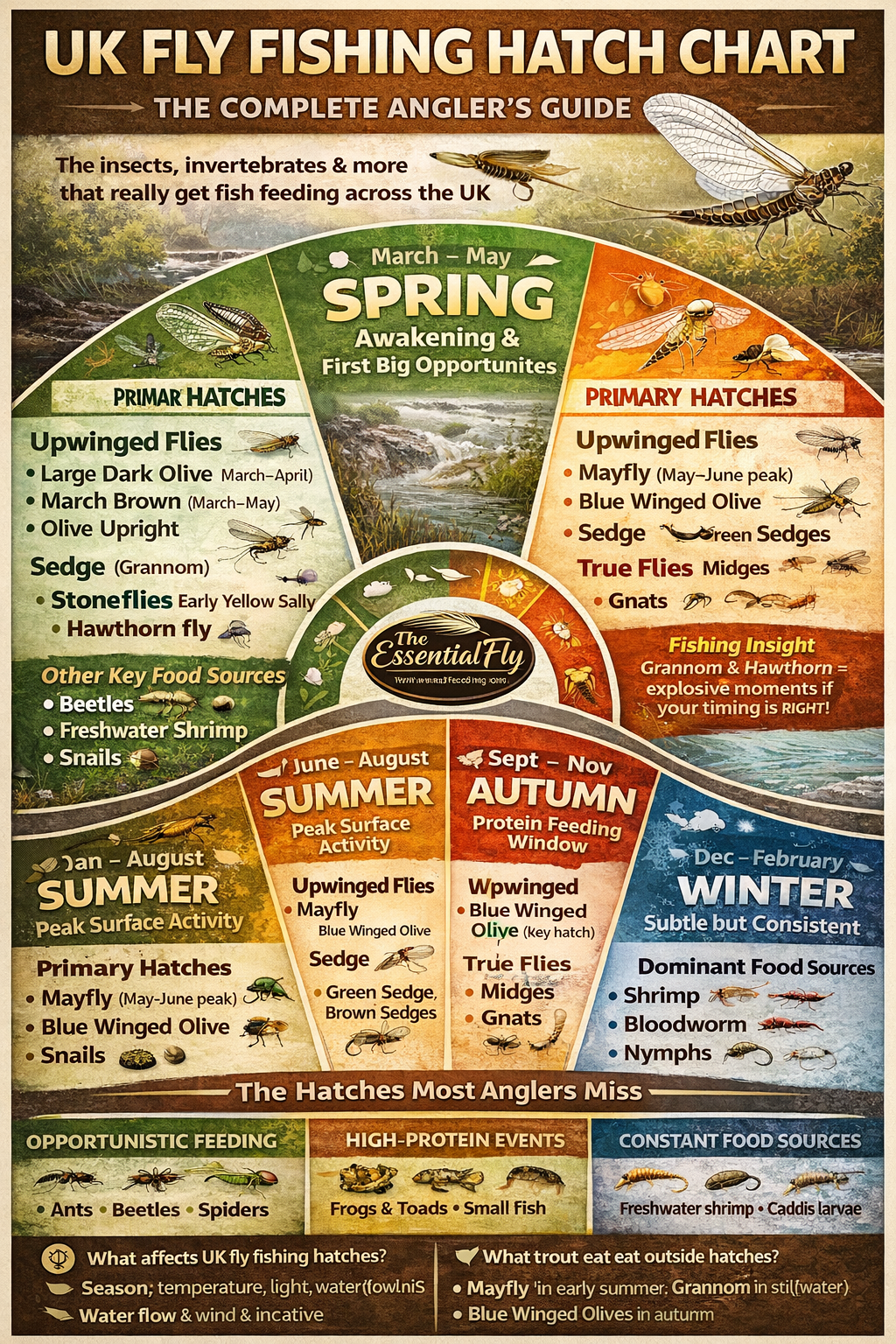
Pennsylvania Hatch Chart Shows Seasonal Trout Stream Insect Patterns
A detailed hatch chart tracking seasonal insect patterns on Pennsylvania trout streams compiles decades of angler reports and...

Here Is BofA’s 2027 Outlook for the U.S. Economy – Yahoo Finance
Bank of America warned that a sharp drop in artificial intelligence investment is the biggest downside risk to...
Presbyterian Rallies from 12-Point Deficit to Defeat Sacramento State 74-72
Presbyterian College rallied from a 12-point first-half deficit to defeat Sacramento State 74–72 on Saturday in a non-conference...