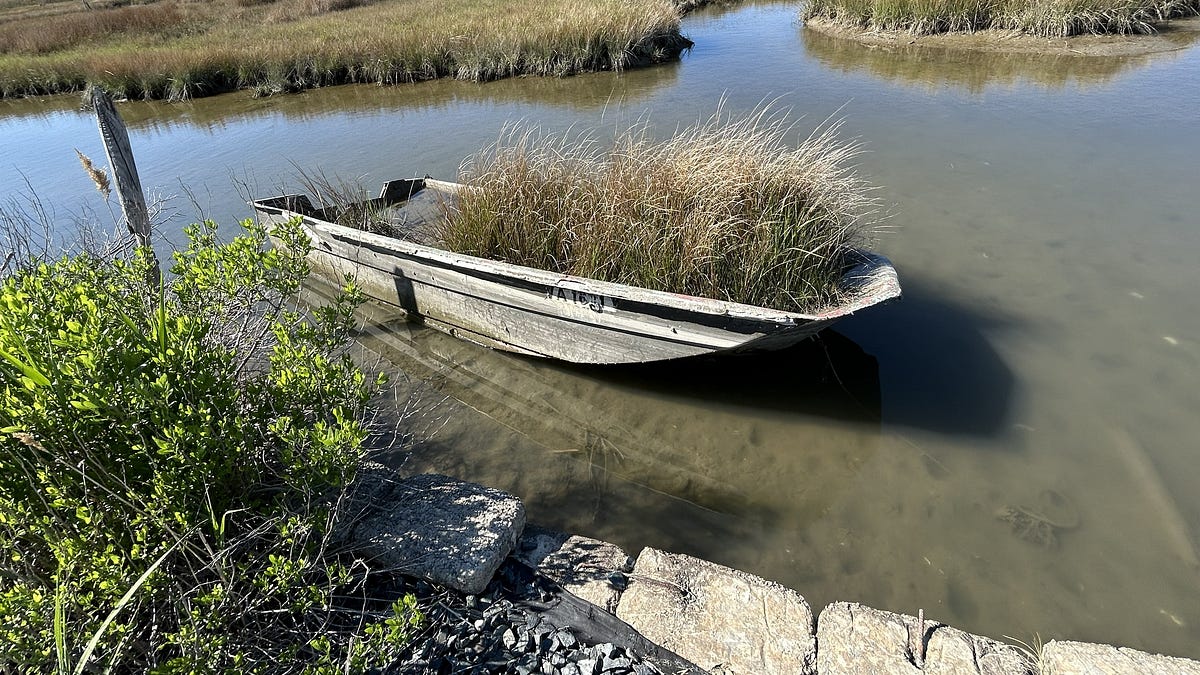
In a column for ReportEarth, Chris Mooney argues that Tangier Island, Virginia, serves as a fragile, living museum currently being swallowed by the very waters that define its identity.
The remote community, a slight rise of earth above the Chesapeake Bay, is losing both land and population to rising sea levels and erosion. While the island has often been used as a polarizing symbol in American culture wars, Mooney suggests its true significance lies in its status as a historical district that is physically vanishing.
“We’re a living museum. And there’s some value in preserving that,” Normand St-Pierre told ReportEarth.
St-Pierre, a former agricultural researcher at Ohio State University and a member of the Tangier Town Council, described the island as a place where people work physically demanding jobs to produce something concrete. However, the physical reality of the island is becoming increasingly precarious.
The disappearance of Chesapeake islands
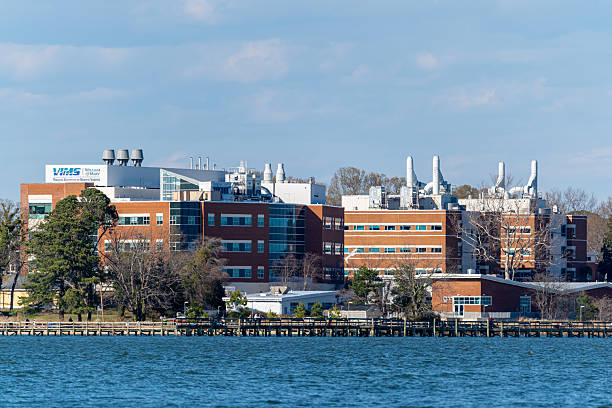
Tangier is not an isolated case of coastal retreat. According to research from the Virginia Institute of Marine Sciences, several major inhabited islands in the Maryland portion of the Chesapeake Bay have already been abandoned. Matthew Kirwan, a researcher with the institute, told ReportEarth that what Tangier is currently facing is not a new phenomenon.
Historically, the region featured many more populated islands. In the late 1800s, Holland Island was a significant settlement with over 360 residents, complete with a church, lighthouse, and school. By 1922, the entire population had departed as the island shrank. Other vanished settlements include Poplar, James, and the cluster of homes known as Canaan, which was abandoned by 1928.
Research suggests that around 1850, islands across the Chesapeake Bay began to erode and shrink much more rapidly than before. The erosion is so aggressive that in 2012 and 2013, archaeologists had to attempt to rescue human remains from graves being unearthed by the sea.
Infrastructure and isolation
Daily life on Tangier is defined by its dependence on the Courtney Thomas, a mail boat that travels from Crisfield, Maryland. The vessel serves as a lifeline, transporting not just mail and people, but groceries, packages, and even golf carts, which are the primary mode of ground transportation on the island.
The island’s mayor, James “Ooker” Eskridge, who also serves as the first mate of the mail boat, became a national figure in 2017. Following a phone call from then-President Donald Trump, who suggested sea level rise was not a major issue, the island saw a surge of media attention.
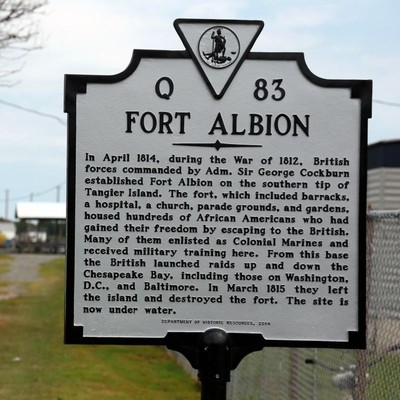
Despite the political noise, the island remains a site of immense historical value. It is recognized as a historical district, with its roots tied to significant events like the British attack on Baltimore, which influenced the writing of the “Star-Spangled Banner.” Much of the island’s current territory consists of marshland, and the original site of Fort Albion is likely now located well offshore due to shifting coastlines.
The physical transformation is visible in the ruins of former homes. Mooney observed bricks in the surf that may have once been part of “Crab’s Hole,” a home occupied by the Jander family in the 1940s. At that time, the home was a safe distance from the water, but the bay has since reclaimed the site.
The struggle for resilience
Efforts to combat the encroaching water are underway. A major project aims to restore the shoreline by using sand from dredging operations at Nassawadox Creek. This infusion of sediment is intended to rebuild the beach and protect vulnerable points of the island.
While technical solutions like beach nourishment can slow the process, the long-term viability of the community remains tied to its dwindling population. The question facing residents and policymakers is whether the island can be maintained as a living community or if it will eventually transition into a destination primarily for tourists.
“Time is not on the side of Tangier Island,” the archaeological team reported during their efforts to recover burials from the encroaching sea.
New Study: Cellphone Pouches May Boost Student Test Scores
Strict school cellphone bans using locked pouches may help reverse long-term declines in student math and reading scores,...

Why the Madison Mayor Race Drew April Kigeya, and What She Wants to Change
April Kigeya is running for mayor of Madison to transform how the city approaches housing, public transit, and...

Commanders News: Washington Needs Jacory Croskey-Merritt Back Soon | Hogs Haven
Second-year running back Jacory Croskey-Merritt is eligible to return from injured reserve this week following a spell out...

Virginia Kay Wheeler – Jewell-Rittman Funeral Service & Crematory
Virginia Kay Wheeler, known to her family and friends as both Virginia and Kay, passed away peacefully on...