
Target shelves hold a 50% discount on “Sell Me A Sasquatch” this Black Friday, a placement nearly a year in the making, WUWM 89.7 FM – Milwaukee’s NPR reported.
Exploding Kittens pitched the game to the retailer in January or February, said Martin Marechal, a VP at the publisher. The company offered a suite of titles across age groups sharing a single price point. “They like to have a story,” Marechal said. “Sometimes price is the story, especially for Black Friday.”
“It’s game under 20, you know?” Marechal said. “Used to be 20, now isn’t.”
“So there is this webbing effect that can happen with a great game where it starts to spread,” said Daisy Ritz, Exploding Kittens’ VP of brand. “We just need to ignite that to start spreading.”
Other categories follow different logic. Dinesh Gauri, a marketing professor at the University of Buffalo, said manufacturers may clear old models, build loyalty, or use hardware as a gateway to ongoing revenue. Smart TV makers, for example, can monetize viewer data after purchase.
“So then TV becomes a medium by which — like, they can basically advertise through there,” Gauri said. “There’s a secondary business model here that could make up for the fact that they sold the TV at a discount.”
Minimum advertised price policies usually bind retailers. For Black Friday, brands carve out week-long exceptions. Automated price-matching at Target, Walmart and Amazon can extend those discounts unintentionally. “Just have to — after the deals are done, the systems still look at each other and get stuck,” Marechal said. “So sometimes you get the price stuck for longer than you want.”

Planet Money’s Kenny Malone disclosed that “Sell Me A Sasquatch” is a reporting project from the NPR show. The purple-colored game, which teaches economics, was made by Planet Money and is now being sold at Target, Malone revealed in his report.
“If you walk into a Target today, you will likely see a display of 50%-off games, including ‘Sell Me A Sasquatch,'” Malone said, describing the Black Friday placement of the game as a nearly year-long effort.
Marketing professor Dinesh Gauri detailed how some products, like smart TVs, use discounts to build a secondary revenue stream. Gauri, who spoke with Malone, explained that manufacturers may sell hardware at a loss to monetize user data later.
“It’s very tricky,” he said.
Keep reading

Proposed Datavant Settlement May Offer PA Patients 35% Fee Refunds, Claim Money Says
A class-action settlement with Datavant, formerly HealthPort Technologies and IOD, offers payments to people who paid for Pennsylvania...

Bruno Fernandes Doubt for Man United vs Brentford After Missing Training Through Illness
Manchester United captain Bruno Fernandes is a doubt for Saturday's Premier League match against Brentford at Old Trafford...
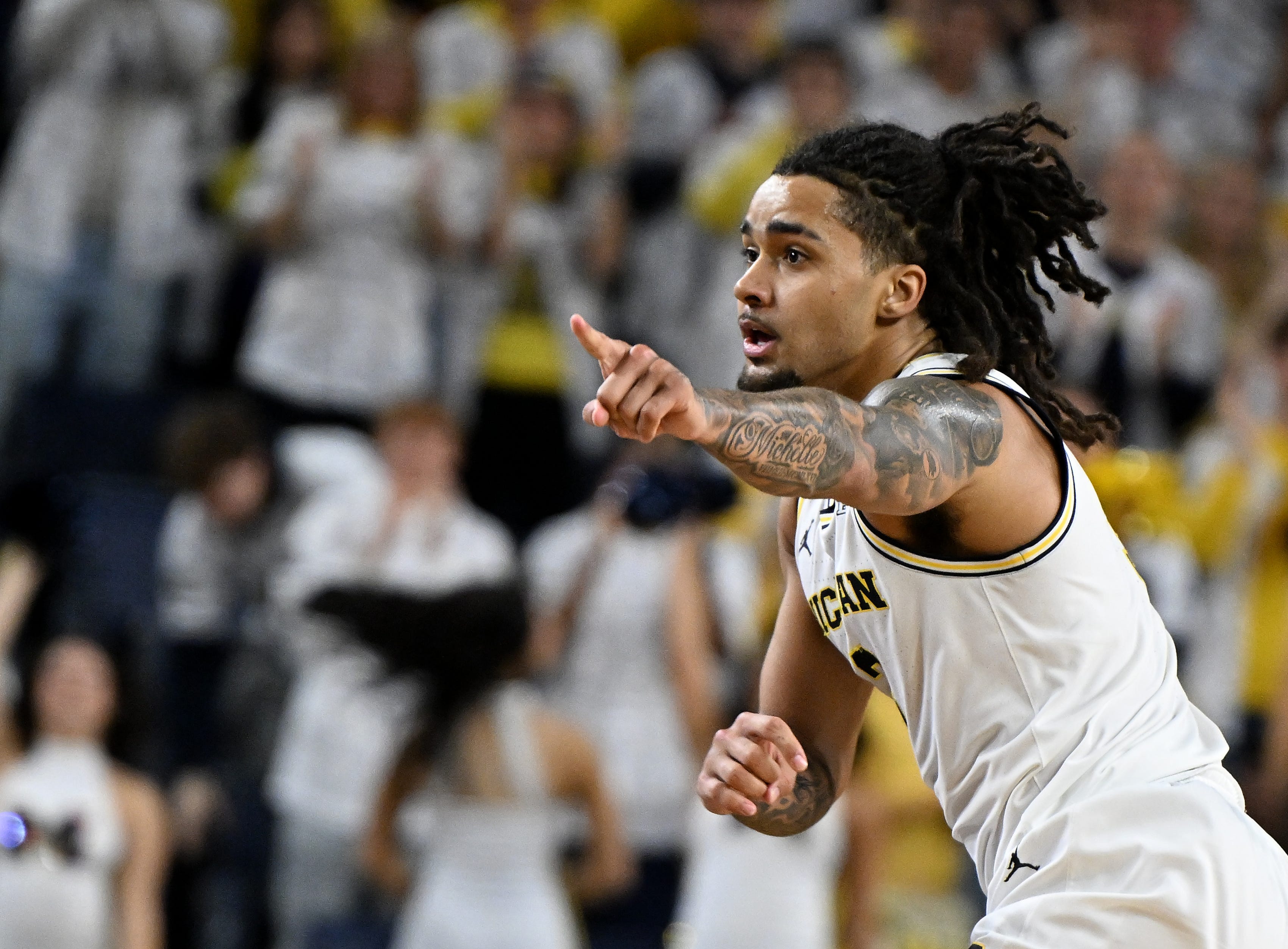
Michigan Snaps Skid, Pummels Kansas State 98-69 in Vegas Finale
Michigan blew out Kansas State 98-69 at T-Mobile Arena on Friday, snapping a three-game slide and leaving Las...

Oklahoma City Zoo Welcomes New Female Giraffe Calf Neema
A female giraffe calf was born at the Oklahoma City Zoo on Wednesday. The calf, named Neema, meaning...