Connecticut approved new shrinkflation labeling rules taking effect Jan. 1, 2027.
Connecticut lawmakers approved new regulations to combat “shrinkflation,” requiring retailers to provide clearer unit-price information on food and drug packages, CT Insider reported. The reforms aim to make it more difficult for companies to conceal shrinking package sizes.
- New rules mandate consistent unit-price labeling for food, drugs, and more.
- Retailers must display prices “boldly, clearly, and conspicuously” in contrasting colors.
- Small family-run stores are exempt from the requirements.
What is changing
The changes concern unit-price labeling, the figure on price tags indicating an item’s cost per weight. Currently, labels can be inconsistent, with some products priced per gallon and others per liter. The new regulation requires consistent units, making it easier for shoppers to compare costs.
Under the new rules, retailers must display unit prices “boldly, clearly, and conspicuously” in contrasting colors that are easy to read, with lettering no less than half the size of the selling price, CT Insider reported.
As a general rule, dry bulk items and produce sold in aerosol cans should be unit priced by the pound, while most liquid products should be priced by pints, quarts or gallons, instead of liters.
These changes are intended to make it easier for shoppers to notice if a good becomes more expensive per unit, even if its overall sale price does not change.
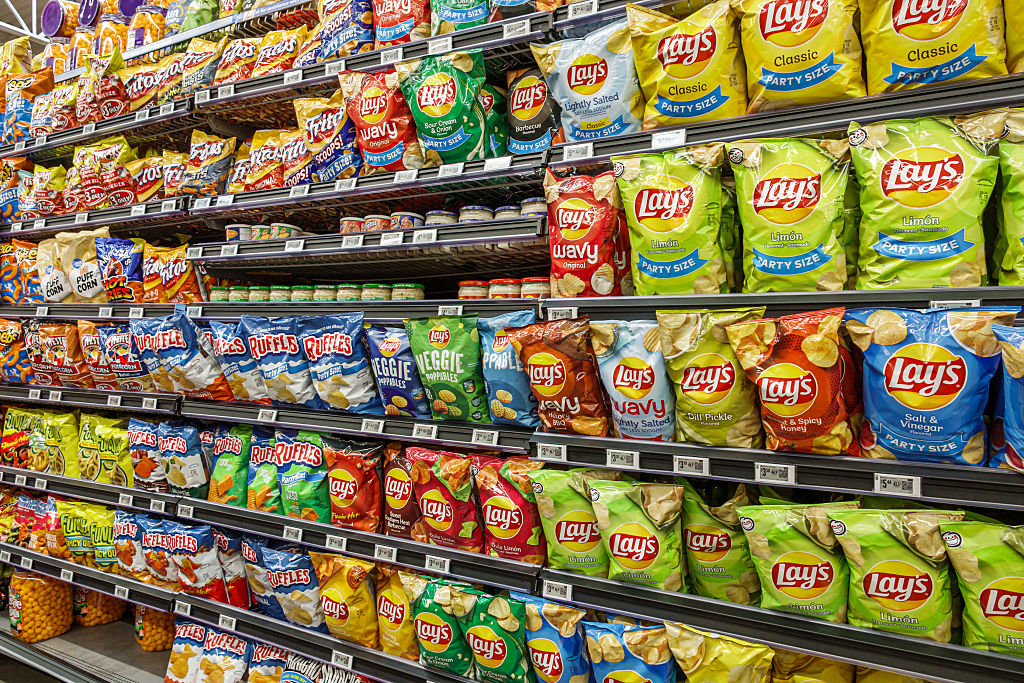
Lawmakers advance shrinkflation bill
Connecticut lawmakers approved the new shrinkflation regulations on Tuesday, with the Department of Consumer Protection and the attorney general’s office collaborating on the reforms, according to newstimes.com.
That bill advanced along partisan lines in the legislature’s General Law Committee but never came up for a vote in either chamber, CT Insider reported.
Food industry opposes reforms
The earlier proposed legislation drew opposition from the food industry, with Republicans in the legislature opposing the measures while Democrats supported them, CT Post reported. The industry argued that additional labeling requirements could create compliance burdens for businesses.
Despite the opposition, proponents of the new regulations say they will empower consumers by making it easier to detect when product sizes shrink while prices remain the same. The rules aim to ensure transparency in pricing without forcing shoppers to perform complex calculations to determine value, according to statements from the attorney general’s office.
Why is it happening
Shrinkflation, where companies reduce the size or quantity of an item while charging the same price, can mean adding a dimple to a jar, slightly reducing a bottle’s size, or offering fewer chips in a regularly sized bag. Studies have consistently found small but notable impacts of this practice, particularly on items such as cereal and paper towels.

Connecticut Attorney General William Tong has been particularly active on the issue. In early 2025, he proposed legislation that would have required distributors, manufacturers, suppliers, packagers and wholesalers to provide “clear and conspicuous notice” for at least a year when reducing a product’s size without reducing the price.
That bill, which drew opposition from the food industry, advanced along partisan lines but never came up for a vote. The current regulations are the result of collaboration between the Department of Consumer Protection and the attorney general’s office.
“No one wants to pay more for a bag of chips filled with air or a half-empty cereal box,” Attorney General William Tong said in a statement. “Connecticut families deserve accurate, consistent information on what they are getting for their money.”
“Whether it’s a pound of deli meat or a box of cereal, our agency takes pride in ensuring that Connecticut consumers are receiving exactly what they are paying for,” DCP Commissioner Bryan Cafferelli said. “Consumers should not have to do mental math to determine the best value at the grocery store.”

Idaho Democratic Party: Voucher Data Shows $178K Avg Income, 75% Never in Public Schools
Average household income for voucher recipients: $178,000 annually. Nearly 75% of students receiving tax credits never attended Idaho...

Pelicans at Clippers Odds, Picks and Predictions
The New Orleans Pelicans (5-14) and LA Clippers (4-13) meet Friday at 9:30 p.m. ET at Intuit Dome...
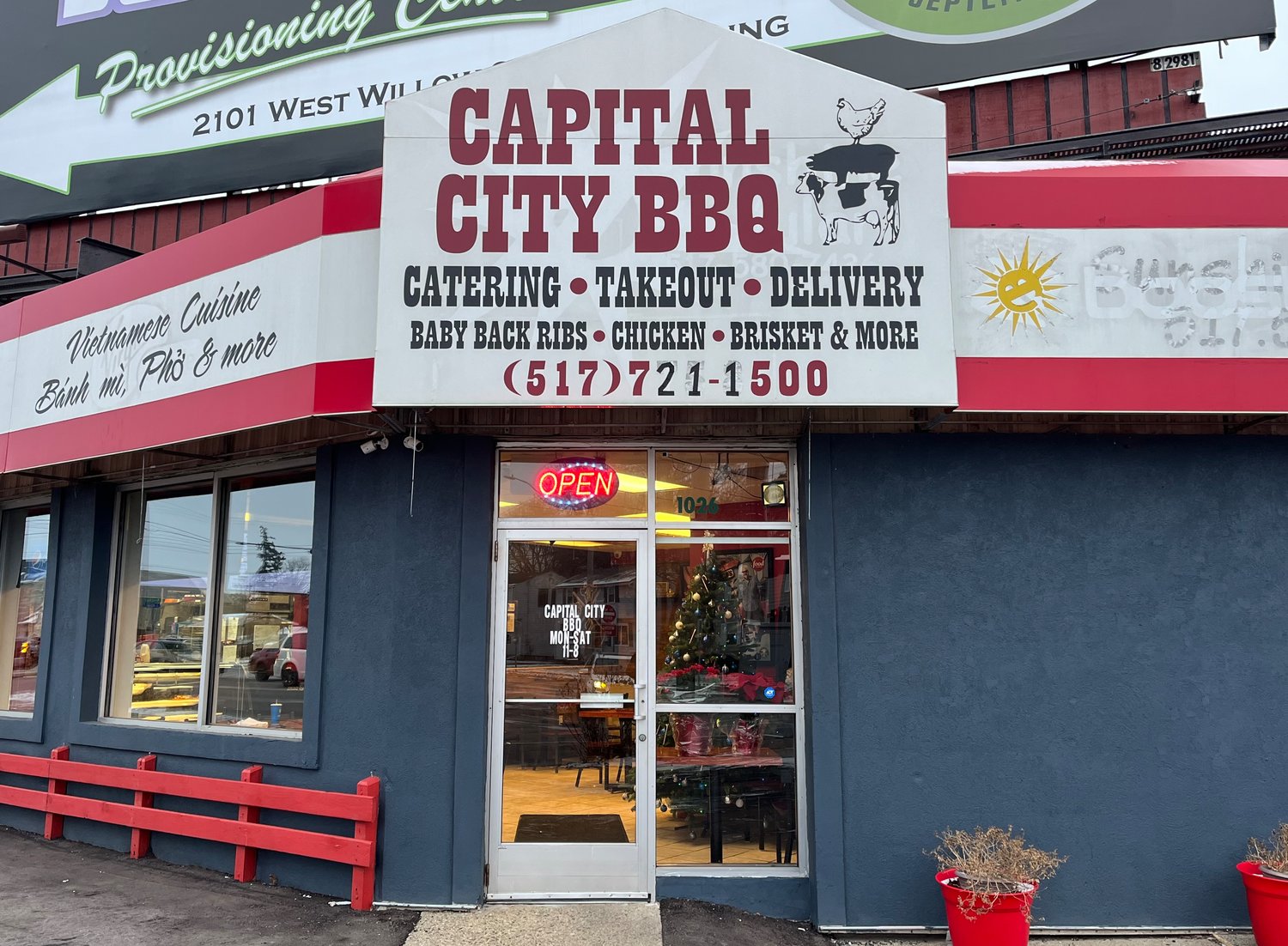
WKAR, Lansing City Pulse 2026 Top of the Town Names 5 Best BBQ Spots
Voters in WKAR and Lansing City Pulse's 2026 Top of the Town contest selected five area restaurants open...

Augusta Township Still Lacks Data Center Moratorium After Rezoning Defeat
Voters rejected a data-center rezoning in August, yet Augusta Township still lacks a moratorium or final regulations for...