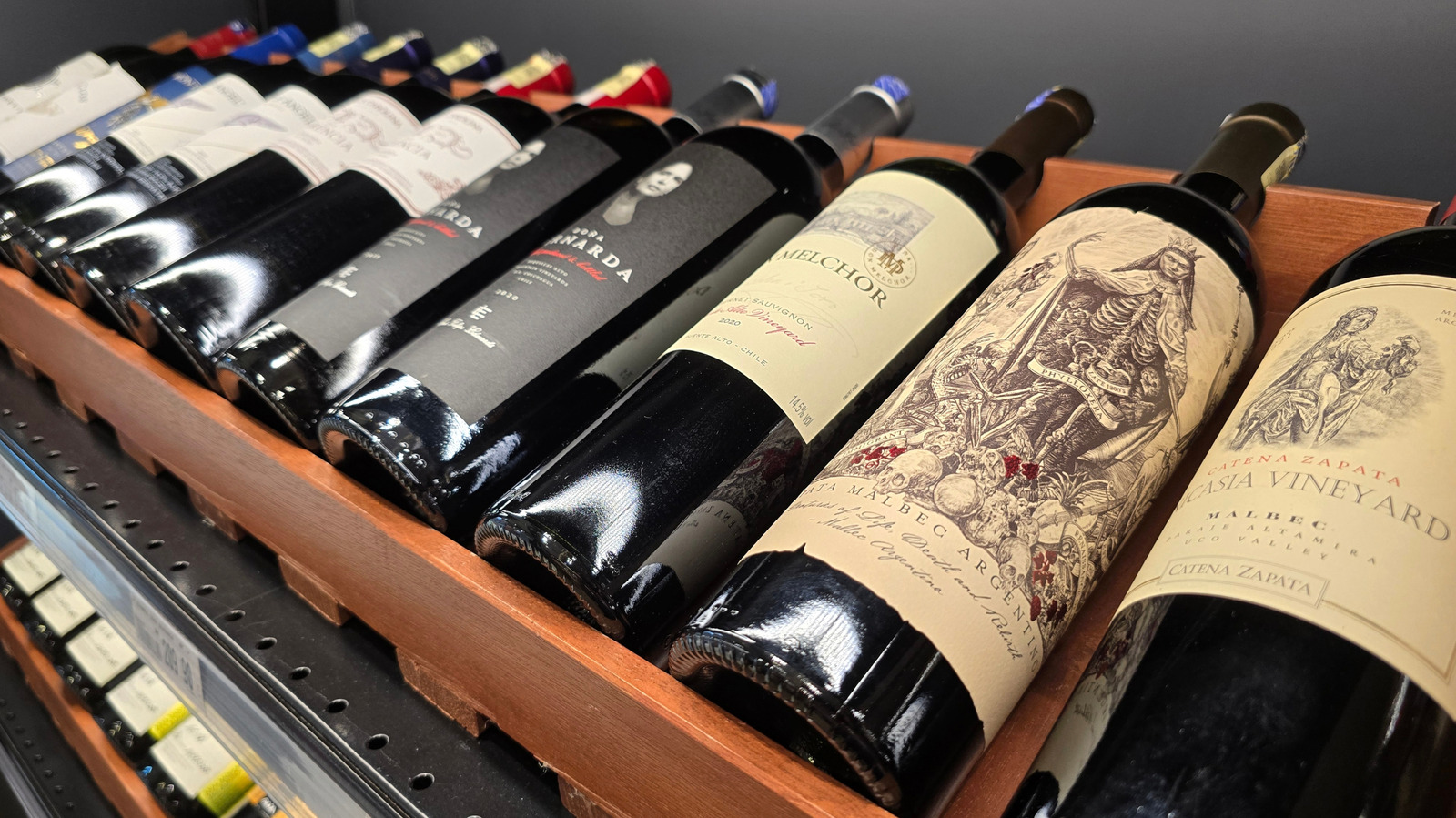
In a column for Tasting Table published in November 2026, an anonymous wine writer argues that several well-known, top-shelf red wines fail to deliver adequate value for their high price tags.
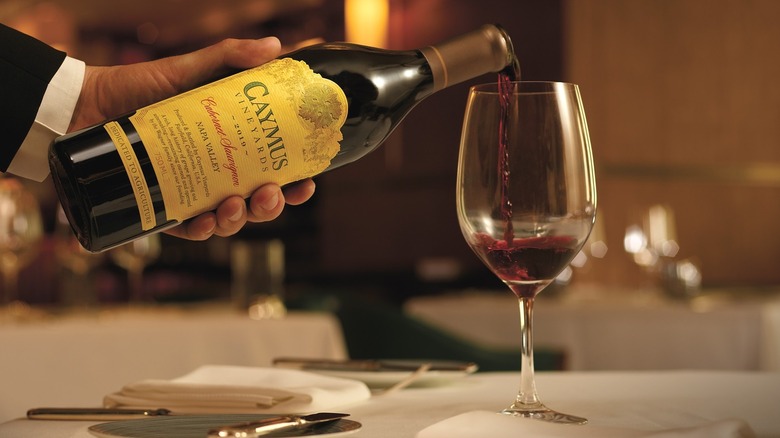
The column examines popular bottles such as Caymus Napa Valley Cabernet Sauvignon, which carries a price tag of roughly $70 to $85. Tasting Table reported that the author found its dominant fruit flavors overpowering after trying a 375-milliliter half-bottle this past summer. Robert Wilson, owner of Vesper Books and Wine in Detroit, criticized Caymus in an interview with VinePair, comparing its heavily fruit-driven character to Hi-C fruit punch.
Another widely recognized bottle is The Prisoner Red Blend, created by Dave Phinney more than two decades ago and now priced at roughly $40. Tasting Table said that the author found its finish disappointing, describing a slightly bitter, stunted finish that lacked the expected complexity.
Belle Glos Dairyman Pinot Noir, produced in the Russian River Valley with a price tag of around $50, relies heavily on oak to convey its high-end style. Tasting Table said that a Wine Spectator review of the 2024 vintage also noted its dominant toasty character from oak and questioned the wine’s overall energy.
Silver Oak Alexander Valley Cabernet Sauvignon carries a roughly $70 price tag, built on a signature style aged exclusively in American oak. Tasting Table reported that wine writer Joe Roberts expressed concern in Palate Press, questioning whether Silver Oak cabernets justified their premium prices given current market competition.

Penfolds Grange Shiraz, first produced in 1951, commands an astonishing price tag of roughly $850. Tasting Table said that wine critic Campbell Mattinson has discussed the wine’s dense, heavily oaked style, while Master of Wine Konstantin Baum explored whether the brand’s less expensive bottles offer considerable quality without Grange’s enormous price.
Opus One approaches $500 per bottle, drawing praise for its balance and complexity while prompting questions from critics. Tasting Table reported that sommelier Luigi Coco discussed in a VinePair discussion whether expensive American cabernets should be priced similarly to classic Bordeaux wines like Château Margaux, and wine writer Joe Roberts has discussed past criticisms including inconsistent older vintages.
In a column published by Tasting Table in November 2026, writer Cheyenne Elwell challenges the assumption that premium pricing guarantees quality, arguing that several celebrated red wines fail to deliver sufficient value for their cost. The piece reflects the outlet’s broader editorial stance of scrutinizing price-to-quality ratios across the wine market, applying firsthand tasting notes alongside outside expert commentary to question whether reputation inflates price tags.
This critical framework extends to the publication’s coverage of ultra-premium bottles, where Tasting Table aggregates skepticism from across the trade. For the Opus One entry, the site reported that sommelier Luigi Coco debated in a VinePair discussion whether expensive American cabernets should command prices comparable to classic Bordeaux like Château Margaux, while wine writer Joe Roberts highlighted past criticisms regarding inconsistent older vintages.
Screaming Eagle Cabernet Sauvignon represents the ultimate splurge at around $2,500 per bottle, having risen to fame after its 1992 vintage received a 99-point score from Robert Parker.
Tasting Table reported that wine critics Antonio Galloni and Jon Bonné questioned the justification for its thousand-dollar prices, while Mark Censits, managing partner of Maxwell Alley, argued in an interview for VinePair that the wine now relies heavily on reputation as a status symbol rather than the value it represented when it first sold for $75.
Worth a look

Glencoe Rallies Past West Salem 41-34 to Claim 6A Columbia Cup Title
Glencoe defeated West Salem 41-34 in the 6A Columbia Cup championship game on Saturday, Nov. 21, at Hillsboro...

Broncos Use 9 Void Years, 5 Option Bonuses in Riley Moss Extension
The Denver Broncos structured cornerback Riley Moss's four-year extension with nine void years and five option bonuses to...

Central Christian School Dover: 63 Students, 1,300 Homes for Sale
Central Christian School, a private 1-12 school in Dover, Delaware, serves 63 students, Realtor.com®® reported. The surrounding communities...

Kings Snap 8-Game Home Skid, Beat Celtics 97-96 on Murray Putback
The Sacramento Kings snapped an eight-game home losing streak Saturday night, rallying from a 13-point halftime deficit to...