
Global equity markets are reeling as a synchronized sell-off in technology stocks cascades from Wall Street to London and Asia. The sudden shift in investor sentiment follows the Democratic victory in the U.S. midterm elections, which markets are interpreting as a precursor to aggressive regulatory tightening across the artificial intelligence sector. According to reporting from The Guardian, the volatility has been exacerbated by growing skepticism regarding the long-term return on investment for the massive, debt-fueled infrastructure build-out currently defining the AI boom.
The Bottom Line:
- Margin Compression Risks: Investors are aggressively repricing the AI sector, questioning whether the $900 billion in global AI spending this year can generate sustainable EBITDA growth.
- Regulatory Headwinds: Democratic control of Congress is signaling a shift toward stricter AI safety oversight and potential antitrust challenges for hyperscalers like Alphabet, Meta, and Amazon.
- Liquidity Contraction: Institutional rotation out of high-beta tech names is accelerating, with traders citing the “circular financing” of AI infrastructure vehicles as a systemic risk to pension fund exposure.
The Question of AI Capital Expenditure Sustainability
The core of the current market anxiety lies in the diminishing returns on capital expenditure. As noted by ION Analytics, the global equity capital markets landscape was already struggling with a wave of canceled IPOs—including Oura and Firmus—before the election results arrived. The market is now fixated on a specific, uncomfortable reality: the massive cash outflows directed toward data centers and high-end computing power are not yet translating into commensurate revenue gains for the broader tech ecosystem.

The Spectator reports that institutional investors are increasingly wary of the “debt-fueled” nature of this infrastructure surge. Concerns are mounting that the interconnected financing structures sustaining these capital-intensive projects could freeze if credit conditions tighten. For the everyday American, this market recalibration is not merely a headline issue; it hits directly at the performance of 401(k) portfolios and retirement funds heavily weighted toward the S&P 500 and Nasdaq 100.
“The build-out of datacenters looks set to slow, which risks shredding the spending spree underpinning the boom, right at the time that investors have become super nervous about returns on this massive investment,” noted Susannah Streeter, chief investment strategist at Wealth Club.
The Main Street Bridge: Portfolio Volatility and Economic Exposure
When Wall Street experiences a correction—such as the Nasdaq 100’s recent drop of over 10% from its October 6 peak—the impact is rarely contained within the trading floor. Retail investors, who have increasingly moved into individual tech stocks over the last two years, are now facing the sharp edge of this volatility. As Trefis analysis highlights, the market is currently caught between conflicting forces of fear and greed, where a “windfall” in one sector, like Centene, can be immediately offset by a double-digit percentage drop in power stocks like Vistra and Vertiv.

For the average household, this environment necessitates a disciplined approach to asset allocation. The Trefis report underscores the importance of the wash-sale rule for those attempting to book losses to offset ordinary income, reminding investors that selling into a panic often results in locking in losses before a recovery. Historically, Nasdaq corrections stop short of a 20% bear market in two out of three cases, but the current climate of “febrile” market conditions suggests that the post-election period will be anything but predictable.
Institutional Reaction and the Regulatory Horizon
Regulators are moving in lockstep with the shifting political tide. In California, major tech entities including Google, Meta, and TikTok are already locked in legal battles over Assembly Bill 1709, which targets “psychologically exploitative features” in social media. This state-level push is widely viewed as a template for federal legislative efforts that may emerge from the new Congress. Institutional investors are watching these antitrust and safety-focused developments closely, as they threaten to impose new operational costs that could lead to significant margin compression for the industry’s largest players.

The broader macroeconomic outlook remains fraught. As capital markets bankers noted to ION Analytics, the optimism that once defined the back end of 2026 has evaporated, replaced by a “state of high anxiety.” While markets have historically shown resilience following midterm elections, the combination of AI-linked financial instability and potential shifts in executive branch policy suggests that the volatility is likely to persist through the final 27 months of the current administration.
The market trajectory for AI-heavy tech stocks will likely be determined by the next series of quarterly earnings calls. If these companies cannot demonstrate that their multi-billion-dollar investments are yielding tangible, high-margin results, the current correction may deepen into a more sustained period of fiscal tightening for the sector.
Disclaimer: The information provided in this article is for educational and market analysis purposes only and does not constitute financial, investment, or legal advice. Always consult with a certified financial professional before making investment decisions.
Related reading

SCAQMD Air Pollution Control Rules and Regulations Guide
Updating the Regulatory Blueprint for California Air Quality When it comes to the complex machinery of environmental oversight...

Jalen Brunson Makes Law & Order SVU Cameo as Detective Madison
Jalen Brunson Trades the Hardwood for the Precinct in SVU Cameo New York Knicks star Jalen Brunson made...

Justin Pearson accepts 9th District loss but vows to challenge map
The 9th District Results and the Future of Tennessee’s Political Map Democratic state Representative Justin J. Pearson has...
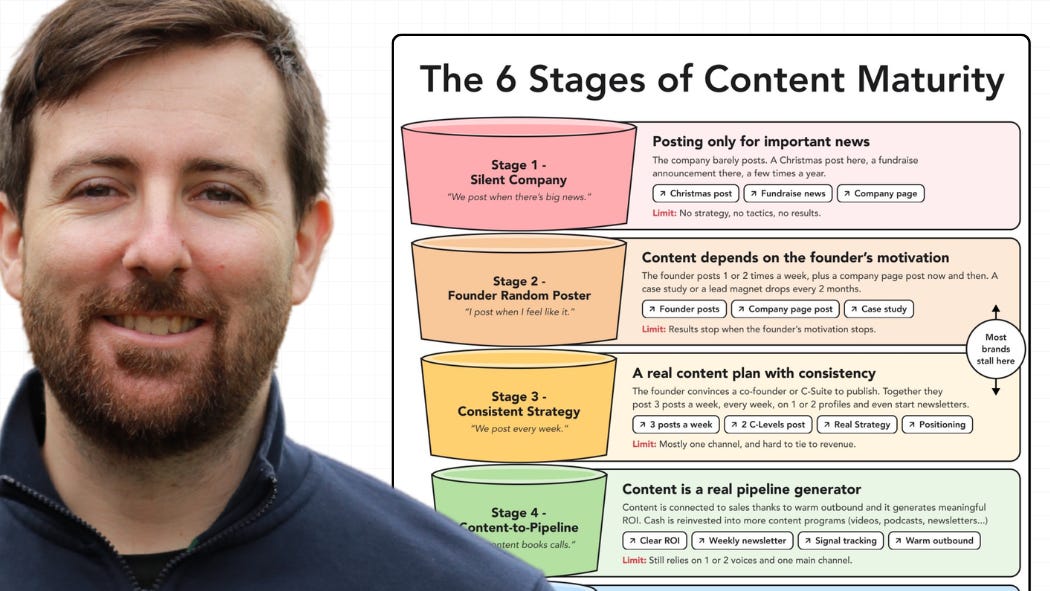
The 6 Stages of Content Maturity: How to Scale Your B2B Content Engine
Content maturity for B2B brands often stalls because companies rely on sporadic, founder-led updates rather than a systemic...