Tehran was supposed to be bleeding. Instead, it is drafting escalation plans.
That is the assessment landing on desks in Washington and European capitals this week, after the U.S. midterm elections handed Republicans a sweeping defeat. Iranian officials, speaking anonymously to The New York Times, described the results as a vote of no confidence in President Donald Trump’s management of the conflict — and an Iranian victory.
The regime now believes it holds the leverage. “Iran thinks Trump is under pressure from his voters and his party to end the war with Iran,” Peyman Salehi, a Tehran-based commentator close to the government, told the Times. “Therefore, they do not intend to back down. They have grown stronger and now feel very confident.”
That confidence translates into a concrete threat: Tehran has formulated plans to escalate the war to force Washington back to the table, including stepping up attacks on tankers that refuse to pay transit fees in the Strait of Hormuz, according to U.S., European, and Iranian officials cited in the Times report.
“The message of the elections will not be lost on the regime,” he said. “They feel they have greater strategic leverage over the Trump administration than they have had in a long time.”
Himes, however, offered a counterweight. Sanctions and military pressure have drastically cut imports and inflicted “very severe economic pain” on Iran, he told the Times. He compared the regime to a cornered animal: “This animal may try to negotiate, but I also think it is likely to react in some pretty wild ways, perhaps to advance negotiations.”
The standoff crystallizes around sequencing. Iranian officials are demanding sanctions relief and payments from Arab states before allowing free passage through the Strait. The U.S. insists Iran must halt attacks on vessels first; only then will funds be released or sanctions lifted. That disagreement has already derailed previous rounds of talks, current and former U.S. officials said.
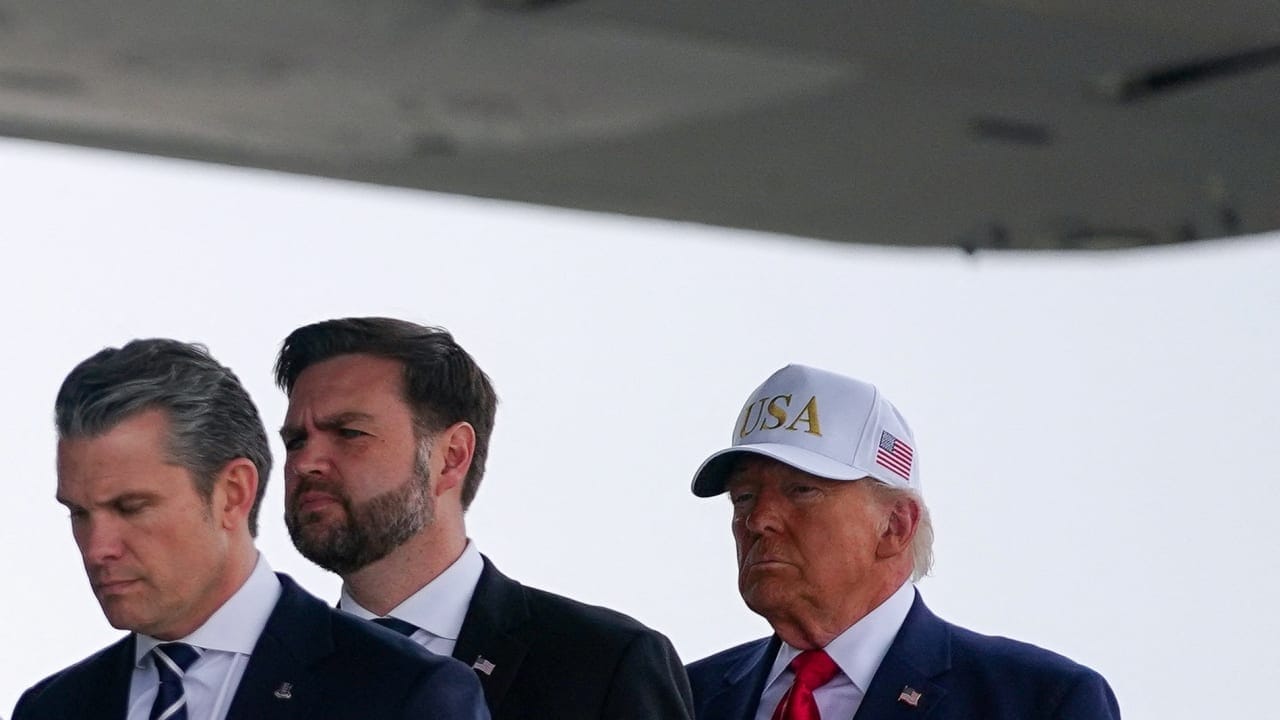
Inside the White House, the midterms triggered a visible fracture. After Vice President JD Vance publicly linked the war to Republican losses, Trump removed him from the negotiating team and redirected him to domestic issues. Iranian officials interpreted the move as evidence of deep divisions, the Times reported.
Trump now faces three broad options: another diplomatic push, a resumption of strikes, or a withdrawal that draws down the large U.S. military footprint in the region. But the decision may not be his alone. Unilateral Israeli action or an Iranian attack on American interests or a partner could force a response, officials noted.
Some in the administration argue that striking Iran’s energy infrastructure could push the economy toward collapse. Others point out that previous predictions of collapse have not materialized. Meanwhile, indirect contacts mediated by regional countries continue.
Intelligence gathered by the U.S. and Israel indicates Iranian officials discussed the possibility of using chemical weapons or other unconventional attacks, the Times reported. Several U.S. officials expressed skepticism about that intelligence.
Western intelligence officials assess that Supreme Leader Mojtaba Khamenei’s positions align closely with the hardline camp and that he is an active, functioning decision-maker, not a symbolic figure. “The Supreme Leader is alive, and he is functioning and active,” Himes told the Times.
The Strait of Hormuz remains the pressure point. Any disruption there ripples immediately into global energy markets, driving up fuel and goods prices for American voters — the very dynamic Iranian officials believe delivered them the midterm win.
Keep reading
Timberwolves Rally Past Trail Blazers 106-98 Behind Shannon Jr.’s Career-High 34
Minnesota erased a double-digit deficit to beat Portland 106-98 on Monday night at Target Center. The Timberwolves trailed...

Plymouth Woman Sentenced for PPP Fraud and Money Laundering
Probation replaced prison time for a Plymouth woman who stole pandemic relief meant for struggling businesses, the U.S....
Sen. Angela Alsobrooks Addresses Antisemitism, Security Grants, Israel and Iran With Maryland Jewish Leaders
Angela Alsobrooks, Maryland’s junior U.S. senator, sat down with three dozen Jewish community leaders for a wide-ranging Zoom...

Registration Opens for 2027 SBN Women’s Leadership Forum in New Orleans
Registration opened this week for the 2027 SEMA Businesswomen's Network Women's Leadership Forum, set for March 9 through...