Texas Tech art curator Tracee Robertson is adapting a six-step visual literacy program to help people with aphasia rebuild communication skills through slow looking at art.
Robertson, the Helen DeVitt Jones Curator of Art at the Museum at Texas Tech University, says most museum visitors spend five to 20 seconds in front of a single work. “You’re walking in the museum, and you’re looking, but you never actually stop walking,” she told the university’s news service. Robertson first encountered the concept in a 2015 American Alliance of Museums magazine interview with the director of the Toledo Museum of Art, which had launched a visual literacy initiative called The Art. “Literacy is about being able to read. Visual literacy is being able to read the visual,” Robertson recalled to the Daily Toreador. She kept the article on her desk for years before piloting her own version in 2021 while directing the Wichita Falls Museum of Art at Midwestern State University. After joining Texas Tech in 2022, Robertson met Melinda Corwin, a professor at Texas Tech University Health Sciences Center and director of the Stroke & Aphasia Recovery (STAR) Program. Aphasia, a language disorder often caused by left-hemisphere brain damage, can impair speaking, reading, writing, and understanding numbers. “In a way, it was serendipitous,” Robertson said. “I was like, ‘Well, gosh, I do this Art program, and it sounds like it would meet those needs.’ The power of visual communication for that community can be the difference between continuing with life and falling into depression.”
Robertson integrated Art as the first session of a four-week Teaching Artistry framework for STAR participants, held on the first Thursday of each month.
Teaching artist Karla Man, who co-facilitates the sessions, described the setting to the Daily Toreador as “a very intimate setting that is engaging a group of people to share one thing in common for that hour, and it’s this two dimensional piece of art.”
Graduate student and outreach coordinator Ipek Buyuk, who assists the program, told the Daily Toreador the experience shifted her view of museum work: “Working with Tracee has taught me that art doesn’t have to be intimidating, first of all, or exclusive.” She added, “Especially with our pathways participants, I’ve seen how art can create space for communication that doesn’t depend only on words.”
Robertson described one participant’s progress: “When I first met her, she liked to go up to the paintings and point, but she could really only say, ‘This one,’ and make a hand motion. So now, the other day, she went up and pointed to the light hitting a large pot in the painting, and she said, ‘Shimmering.’ And later, she went and wrote the word ‘religion’ on the board to describe a possible purpose for the painting’s action.”
Another member, attending since the partnership began, recently asked to rent a museum room for his mother’s 90th birthday party. “This has become a place he feels safe and comfortable enough to host a family event,” Robertson said. “It’s a growth of his relationship with the institution to trust us like that.”
“A stroke can happen to anyone, but people aren’t necessarily versed in visual language. Now they need it; it becomes their primary language, their primary communication tool,” Robertson said. “To help them develop those skills is super exciting.”
Worth a look

Amtrak Cascades Launches New Airo Trainsets on Seattle-Portland Route
Amtrak Cascades debuted its new Airo trainsets on the Seattle-to-Portland corridor on September 30, 2026, with train 503...

Portland Signs MOU With FIFA as 2031 Women’s World Cup Host Candidate
“Portland is the global epicenter of women’s sports. Our fans showed that in previously hosted women's world cup...
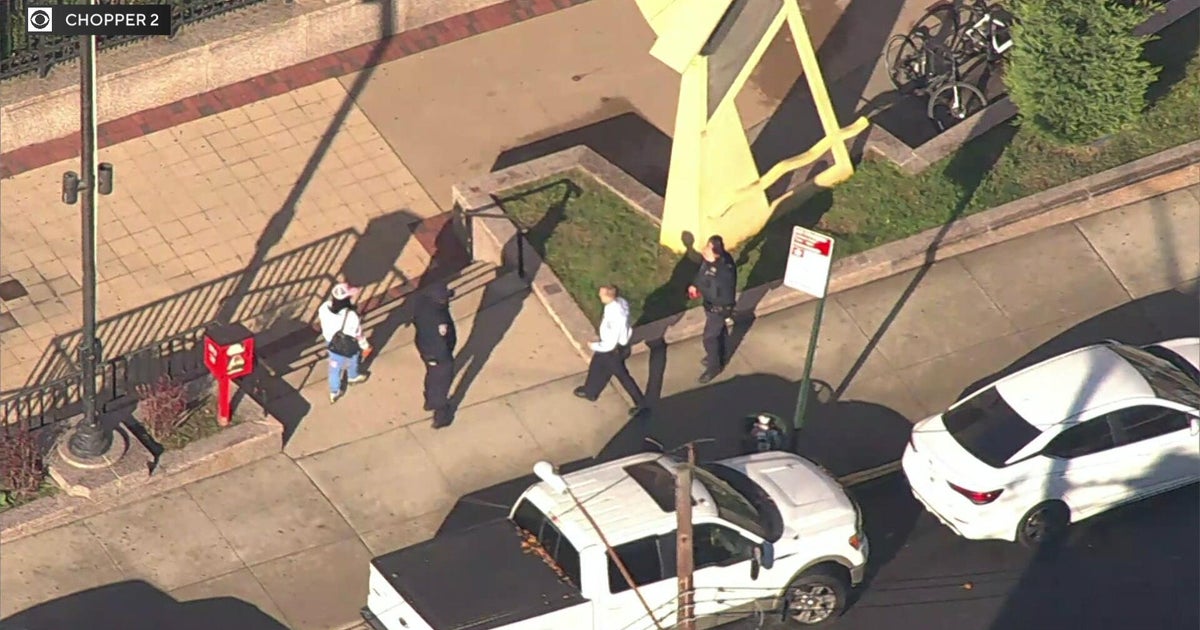
15-Year-old Girl Stabbed Outside Port Richmond High School
A 15-year-old girl was stabbed in the torso outside Port Richmond High School on Monday at 8:55 a.m.,...

Svi Mykhailiuk Scores Career-High 39 Points in Jazz Loss to Mavericks
Former Kansas guard Svi Mykhailiuk scored a career-high 39 points and hit 10 three-pointers off the bench Sunday...