
The Housing and Development Board (HDB) unveiled plans on Monday for a new Pasir Ris neighbourhood on a forested coastal site zoned for housing since 1980, proposing to keep 13 hectares of nature while nature groups warn the remaining green links are too thin for wildlife to cross.
HDB said the 36-hectare plot at Pasir Ris Drive 4 — bounded by Jalan Loyang Besar, Pasir Ris Drive 3, Pasir Ris Drive 4 and Sungei Loyang — will yield a mix of public and private homes in what will be called Pasir Ris Neighbourhood 3, CNA reported.
The board cited strong demand: the last three Build-To-Order launches in the town each drew an application rate of 3.6 among first-timer families for four-room flats, and the January 2026 executive condominium Coastal Cabana sold 498 of 748 units at an average S$1,734 per square foot, The Business Times reported.
| Category | Area (ha) | Notes |
|---|---|---|
| Total site studied (EIA) | 36 | Terrestrial, mangrove and intertidal habitats |
| Proposed retention | 13 | ~8 ha coastal habitats; ~5 ha terrestrial buffer |
| Coastal habitats retained | 8 | Full Area of High Ecological Value 1 (mangroves, seagrass, intertidal) |
| Terrestrial buffer retained | 5 | Buffers mangroves and stream; 1 ha in south-east may be needed later for coastal protection |
| Development footprint | ~20 | Housing, amenities, community spaces |
The Environmental Impact Assessment by Tembusu Asia Consulting recorded 254 animal species, 25 of conservation significance — including the Sunda pangolin and greater mousedeer — and 159 terrestrial plant species, 26 of conservation significance, Zaobao reported. The EIA assessed habitat loss impact as “moderate negative”, with about 81 per cent of terrestrial forested area lost even with mitigation.
Nature Society Singapore (NSS) marine conservation group chairperson Lester Tan said the site could be a landing point for the greater mousedeer, believed to have swum from Pulau Ubin, and that the locally endangered white-rumped shama has established a mainland presence there.
“The biggest concern here is during development, there’s always shepherding. So you shepherd the animals away from the development site, and then now you will squeeze them all into the conservation site that HDB choose to conserve, and that would be the holding ground or the habitat that is left for them,” Tan told CNA.
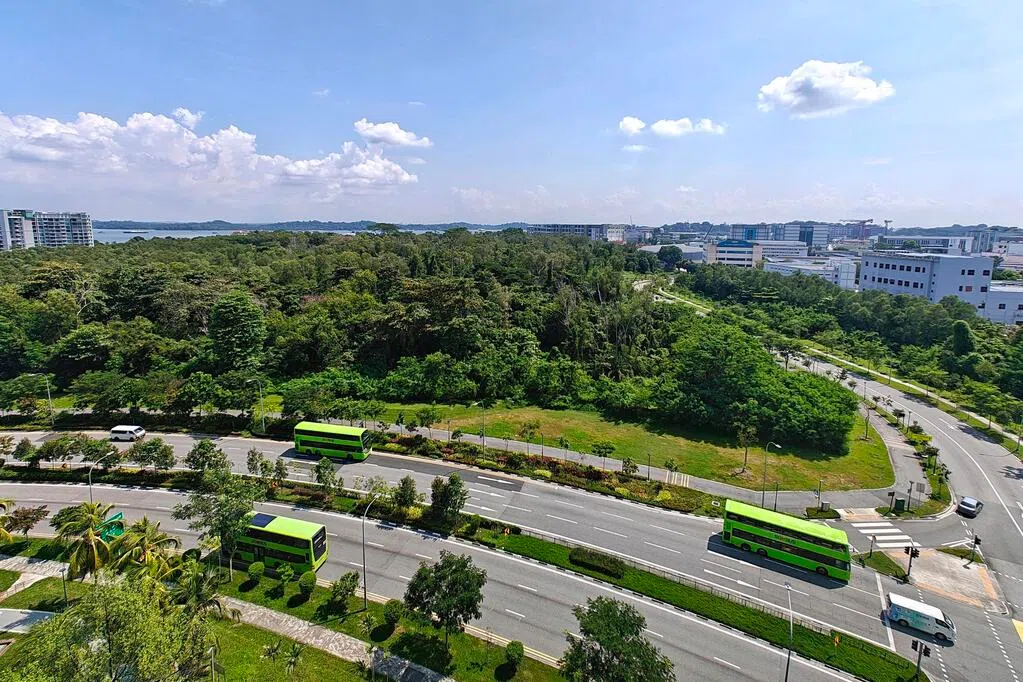
LepakInSG co-founder Ho Xiang Tian said connectivity from the east to the Central Catchment Area is already “weak”. “Without proper connectivity, one single bad event can wipe out your whole population,” he said, adding that species could “inbreed to death” with a lack of gene-pool diversity.
He urged planting up the eastern side of Pasir Ris Park, where existing greenery is “quite sparse”, to link the retained patch to the core park area.
Dr Marcus Chua, research fellow and curator of mammals at the Lee Kong Chian Natural History Museum, said whether the 13-hectare retained area suffices depends on the species, but it could still serve as a stepping-stone habitat for wildlife from Pulau Ubin or Malaysia.
He said most plans have “adequately considered” impacts and mitigation, though “what would make it even better is if, during development, that wildlife and human connectivity … to Pasir Ris Park to the north and west can be improved,” noting a large canal now separates much of the site.
HDB assessed alternative brownfield sites nearby
The 2.9ha plot has been zoned for residential use, with commercial space on the ground floor.

Public feedback invited on EIA and conceptual plan
The proposed neighbourhood will be “set amidst greenery, with amenities and community spaces for residents to enjoy,” HDB said in a Facebook post on Nov 23.
Pasir Ris town demographics and housing demand
This reflects continued demand for new public housing in the area.
Nature Society Singapore (NSS) has influenced development outcomes through its Conservation Committee, which in the late 1980s persuaded the government to designate the degraded mangroves at Sungei Buloh as a bird sanctuary rather than proceed with development plans.
The society later published “A Master Plan for the Conservation of Nature in Singapore,” which was enthusiastically received by government, though subsequent media confrontations over other documented sites led to rejections. NSS counts at least four conservation successes, including Sungei Buloh, Lower Peirce — where it persuaded authorities not to replace mature forest with a golf course — Kranji Marshes Park, and the Green Corridor railway land retention.
HDB said a 15-metre-wide linear park along Sungei Loyang, threaded by NParks’ Round Island Route, and tree-lined green buffers of 10 metres along the northern, western and southern boundaries will support biodiversity. An Environmental Monitoring and Management Plan will guide construction. Public feedback on the EIA and conceptual plan is open until Dec 20.
Worth a look

Blood Pressure Drifts 30 Years Before Heart Attack or Stroke, Study Finds
Systolic blood pressure begins drifting apart 30 years before a heart attack or stroke, averaging 4 mm Hg higher in...

Brown Mogotsi Charged With Perjury Over Madlanga Commission Testimony
Mogotsi charged with perjury over Madlanga Commission testimony on Monday Allegations centre on claims he was a Crime...

Roswell Park Researchers Present Late-Breaking Immunotherapy Data at SITC 2026
Roswell Park Comprehensive Cancer Center researchers presented late-breaking clinical data and translational findings at the Society for Immunotherapy...
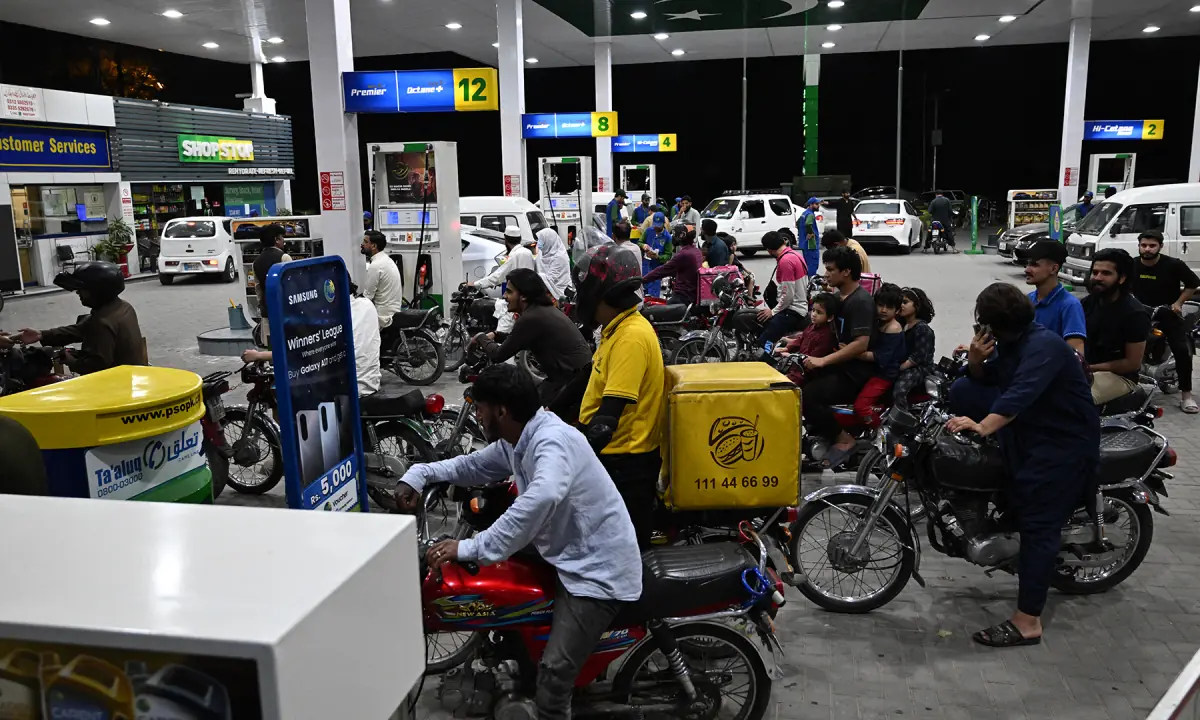
Federal Government Cuts Petrol Price by Rs3 to Rs319; Diesel Unchanged at Rs357
The federal government on Monday reduced the price of petrol by Rs3 per litre to Rs319 while keeping...