The Cambridge 2026 World of the Year is human.
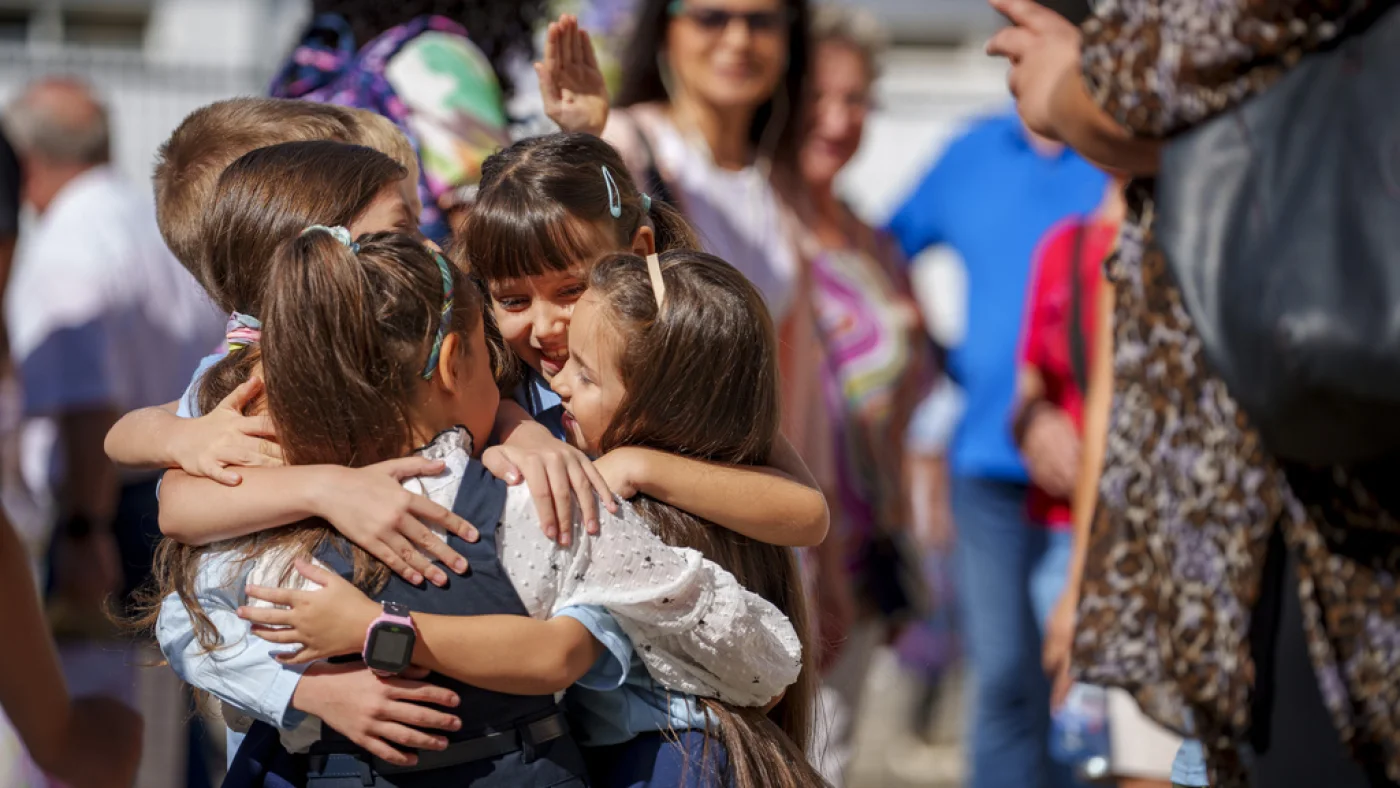
This designation arrives as Artificial Intelligence increasingly shapes our daily existence, prompting a pause to define what it means to be us. The core issue isn’t whether machines can perform tasks, but what remains uniquely tied to our lived experience in this technological surge.
Making human the 2026 Word of the Year serves as a quiet recognition of our inherent fragility, a deep contrast to the seemingly endless processing power of new AI systems.
We possess a sense of responsibility; we can actually say, “I’m sorry, that’s my fault,” when we fall short, a capacity absent in a screen flashing SYSTEM OVERLOAD or UPDATE IN PROGRESS, 12% COMPLETE, Boise State Public Radio reported.
Humans seek joy beyond mere continued existence—laughter, tears, love, and poetry, not just code or text.
Love, fear, anger, desire, joy, and courage, fueled by nerves and hormones, make us unpredictable and irreverent, as noted by NPR.
This emotional complexity, while sometimes unreliable, also instills judgment—an appreciation for what endures and what makes life worth savoring.
“We’re driven by feelings, not just steered by algorithms.”
This perspective, shared across multiple outlets, suggests our internal culture, not just our functional output, defines us.

For communities, the implication is simple: genuine connection matters more than algorithmic efficiency. Those most affected by AI integration are often those in service and creative sectors who rely on nuanced, empathetic human interaction.
The devil’s advocate points out that AI offers unprecedented scalability in areas like medical diagnostics or infrastructure management, which human limitations cannot match alone.
‘Human’ is Cambridge Dictionary’s word of the year https://t.co/aqHrBQpzKW
Yet, the Cambridge Dictionary itself only defines “human” as having “the qualities, faults, and feelings that people have, as opposed to gods, animals, or machines,” leaving the specifics open, iowapublicradio.org detailed.
Knowing we don’t last forever is central to this definition, a realization that prompts us to strive and love while we have the chance, APR reported.
This sense of finitude informs our appreciation for what matters most, something abstract algorithms struggle to grasp.
For deeper context on the societal shift, one can review reports from npr.org on the subject.
Experts in civic technology often stress the need for strong ethical frameworks alongside technological advancement, referencing guidelines available through NIST research.
The discussion around human qualities intersects with the need for clear regulatory oversight, which is tracked through official filings like those found at the FDA website.
The Cambridge dictionary leaves what human truly means to us.
Keep reading
Team Discovers Pulsar PSR J1622−7204 Using Lattice Method on Fermi Data
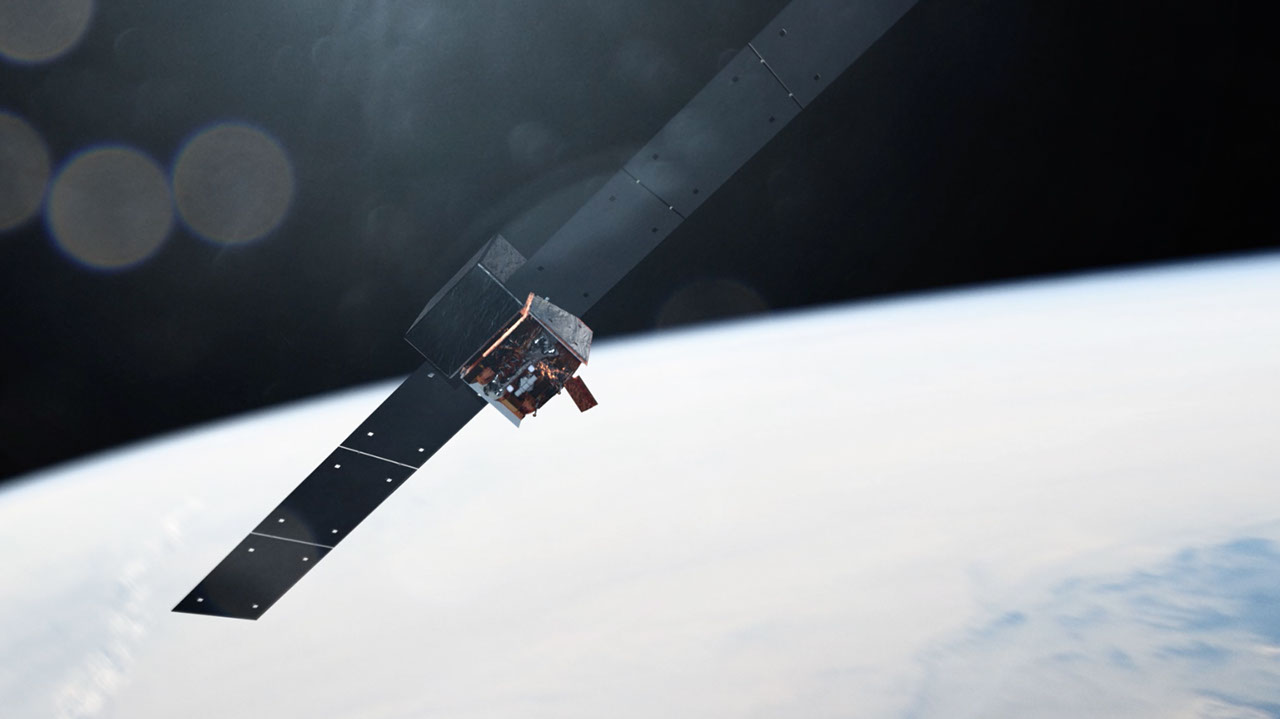
An international team discovered pulsar PSR J1622−7204 in 15 years of NASA Fermi-LAT data on Thursday.

Utah Volleyball Tops Arizona 3-1 on Friday Night at Huntsman Center
Utah topped Arizona 3-1 on Friday night at the Huntsman Center with Kamryn Gibadlo recording 30 kills on...

Harp Argues Colom’s Upset Victory Exposes Democratic Neglect in Deep South Mississippi
In a column for The Oberlin Review, student journalist and Mississippi native Maya Harp argues that Scott Colom’s...

Sheryl Shockley Died Nov. 15, 2026, in Billings, MT, Legacy Reported
Sheryl Shockley achieved a deadlift of 315 pounds in competition while carrying her cancer diagnosis for four years...