
In a recent column, a resident of Portland’s Woodlawn neighborhood argues that the vibrant commercial center defining the Dekum Triangle masks a profound demographic shift. While the area is currently celebrated as a thriving hub of craft cocktails, rotisserie chicken, and boutique coffee, the author contends that this "new Portland landscape" sits atop the faint, fading outlines of a once-flourishing Black, working-class community.
The tension between neighborhood revival and cultural displacement is at the heart of the Dekum Triangle’s evolution. For many, the area has become a premier “hang”—a destination for those seeking the specific brand of cool that defines modern Portland. However, the author suggests that the very investments making the neighborhood desirable are the same forces that have pushed out the people who maintained the community during decades of disinvestment.
A shift from Black-owned commerce to a destination culture
Two decades ago, the Dekum Triangle functioned as a different kind of nucleus for the Woodlawn neighborhood. The author recalls a time when the area was primarily Black and working-class, characterized by Black- and BIPOC-owned small businesses and diverse staffs at local staples like Safeway and Walgreens. This era was defined by a sense of community that existed long before the arrival of the current hospitality wave.
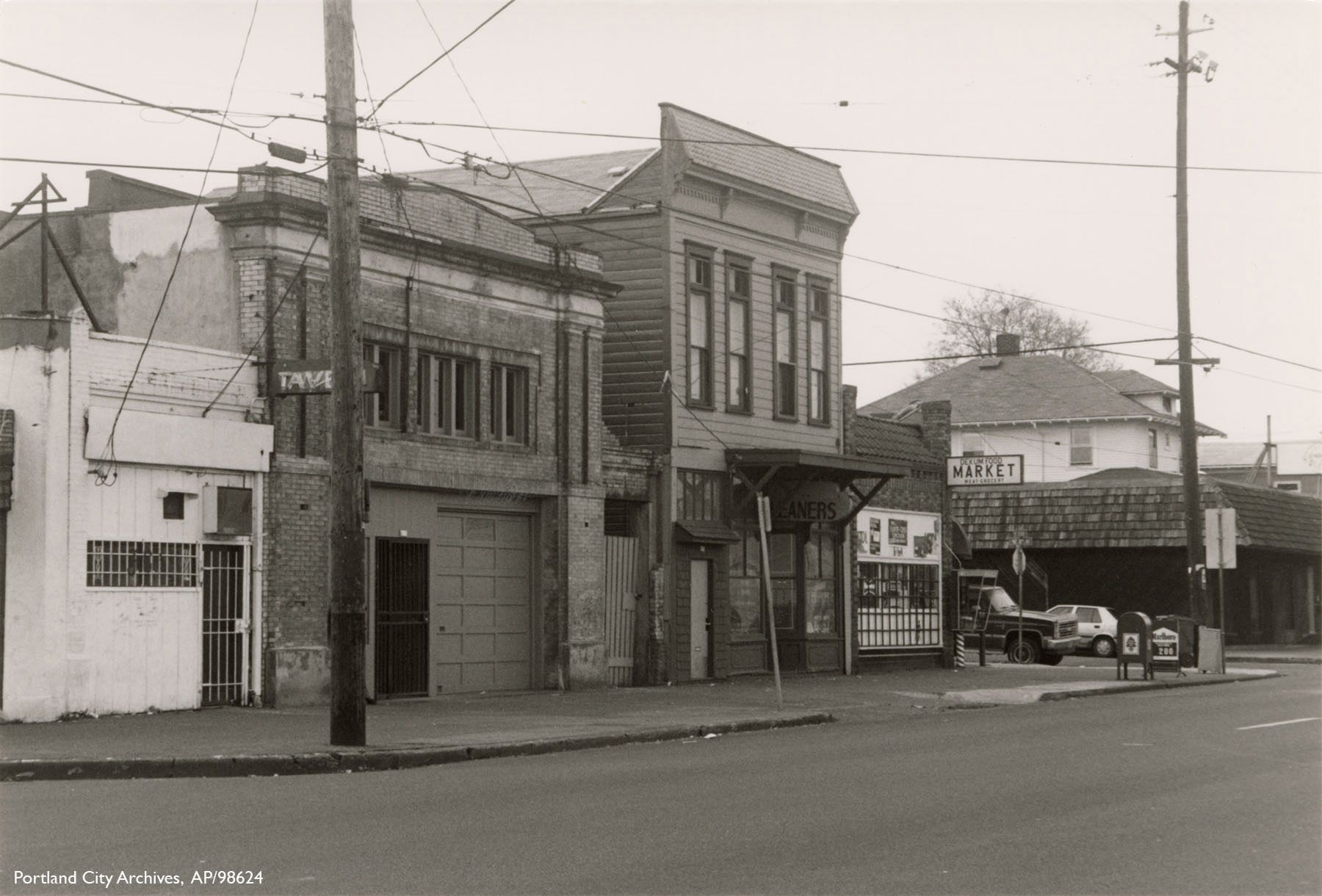
The economic transition began to take a visible shape in 2007 with the opening of Good Neighbor Pizzeria on the corner of Dekum Street and 8th Avenue. While that establishment eventually evolved to meet changing local tastes, its arrival signaled a new sensibility for the area. A timeline of subsequent openings illustrates a steady march of new commerce:
- 2008: Firehouse restaurant
- 2010: Breakside Brewing
- 2013: P’s & Q’s Market
- 2018: Campana
This influx of businesses transformed Woodlawn from a neighborhood that outsiders in 2006 might have described as “dangerous” or “crime-ridden” into a polished commercial destination. Yet, the author notes a stark disconnect between the neighborhood’s aesthetic success and its demographic reality. During a recent night spent enjoying the offerings at LaVerne’s and Breakside, the author observed that despite the “joyful, bright, busy” atmosphere, the diversity of the crowd did not reflect the neighborhood’s historical roots, noting they saw only two Black people during several hours of socializing.
The economic mechanics of displacement
The transformation of the Dekum Triangle was not merely a matter of changing tastes in craft beer or techno music; it was driven by systemic economic pressures. The author points to a combination of aging homeowners selling below market medians—partially due to the lingering effects of redlining—and the rising cost of living that has made the area increasingly inaccessible to BIPOC families.
The human cost of this shift is reflected in local education. According to a 2023 docuseries titled Inside Woodlawn produced by KGW-TV, more than half of the students at Woodlawn Elementary do not live in the neighborhood because their families can no longer afford to rent or own homes there.
This displacement is deeply tied to Portland’s racial geography. The author notes that while the city’s overall population has diversified—moving from being almost 80% white in 2000 to 68% per the 2020 Census—the Black population has actually seen a decline of approximately 1 percentage point since the turn of the millennium. The history of the area is inextricably linked to the Vanport Flood, a disaster that displaced thousands of Black Portlanders and funneled them into already redlined Northeast neighborhoods. The author argues that modern businesses, such as High Water Mark, which name themselves after this event, must do more than just use the history as a brand; they must acknowledge that neighborhoods are shaped by public policy and discrimination, not just individual consumer choices.

The responsibility of the new neighborhood bar
As the Dekum Triangle continues to attract investment, a central question remains: what is the responsibility of a business that benefits from a neighborhood’s character? The author highlights the efforts of Aaron Hall, part of the team behind LaVerne’s, who sought to honor the building’s history as the Woodlawn Oddfellows Lodge. Hall noted that his team consulted neighborhood historians to ensure the space incorporated references to Black Portland history.
While such efforts are encouraging, the author posits that there is a fundamental difference between building a business for a neighborhood and building one that turns a neighborhood into a destination for outsiders. The “revival” of Woodlawn often arrives looking like an unambiguous improvement—fixed-up buildings and busier streets—but this can obscure the reality of who is being priced out.
Keep reading

Burlington City Council President Ben Traverse Announces Bid for Mayor
Ben Traverse enters the race for Burlington mayor Ben Traverse, president of the City Council, announced his candidacy...

UC Davis seeks home advantage against Utah Tech at UC Davis Health Stadium
UC Davis seeks home field advantage against Utah Tech The UC Davis Aggies enter this Saturday's matchup against...
Why Gov.-elect Gina Hinojosa Plans to Replace Texas Education Commissioner Mike Morath
Democratic Governor-elect Gina Hinojosa intends to replace Texas Education Commissioner Mike Morath immediately upon taking office in January....

South Dakota Democrats gain legislative seats in 2026 elections
South Dakota Democrats gain legislative seats despite statewide Republican sweep Democratic candidates in South Dakota failed to capture...