
Storms often strike with unexpected violence as November shifts the balance between summer warmth and winter’s grip.
The seasonal transition creates a volatile atmosphere where stored water heat meets colliding air masses, a recipe for the deadly gales that have historically devastated maritime travel.
The danger of this month is not merely theoretical; it is written in a long history of shipwrecks and lost lives. According to a report by The Boston Globe, the ingredients for these disasters remain unchanged since the late 19th century: a clash of air masses and storms that can deepen faster than anyone expects.
While modern satellite technology and computer models allow captains to see these systems days in advance, the sheer intensity of these weather events can still produce fatal surprises. The human and economic stakes remain high for the shipping industries that rely on these waterways even as the seasons turn.
A history of maritime tragedy
The Edmund Fitzgerald remains one of the most haunting symbols of Great Lakes volatility. On Nov. 10, 1975, the vessel was carrying 26,000 tons of taconite pellets with a crew of 29 men when it sank in Lake Superior during a storm.
Using hindcasting, a NOAA scientist in 2005 found that gales of minimal tropical-storm force had already moved over eastern Lake Superior at noon, roughly seven hours before the ship sent its final message, The Boston Globe reported.
Other November dates have seen similarly catastrophic loss. The “White Hurricane” of 1913, which struck from Nov. 7 to 10, saw waves reach 35 feet on hurricane-force gusts. This massive low-pressure system, which merged over Lake Huron, resulted in 258 deaths and the loss of 12 vessels. The Armistice Day Storm of 1940 was also exceptionally deadly; on Nov. 11, 1940, 154 people died across the Midwest, including 66 sailors on the Great Lakes.
The following table compares major November maritime disasters in historical records:
| Event Name | Date | Primary Location | Human Toll |
|---|---|---|---|
| The White Hurricane | Nov. 7–10, 1913 | Great Lakes | 258 deaths |
| Armistice Day Storm | Nov. 11, 1940 | Midwest/Great Lakes | 154 deaths |
| Carl D. Bradley Wreck | Nov. 18, 1958 | Lake Michigan | 20 deaths |
| Edmund Fitzgerald Sinking | Nov. 10, 1975 | Lake Superior | 29 deaths |
The mystery of the Portland
The Atlantic coast has faced its own share of November terror, most notably with the disappearance of the steamship Portland. On Nov. 26, 1898, the ship left Boston for Portland, Maine, carrying 130 passengers and 63 crew. A nor’easter with Arctic air and blizzard conditions overwhelmed the vessel, and she vanished without a trace.
Modern forecasting has undoubtedly reduced the element of surprise, but the physical power of the water remains a constant. Whether a gale is moving across the Great Lakes or the New England coast, the fundamental physics of the 11th month remain a threat to anyone on the open water.
Worth a look
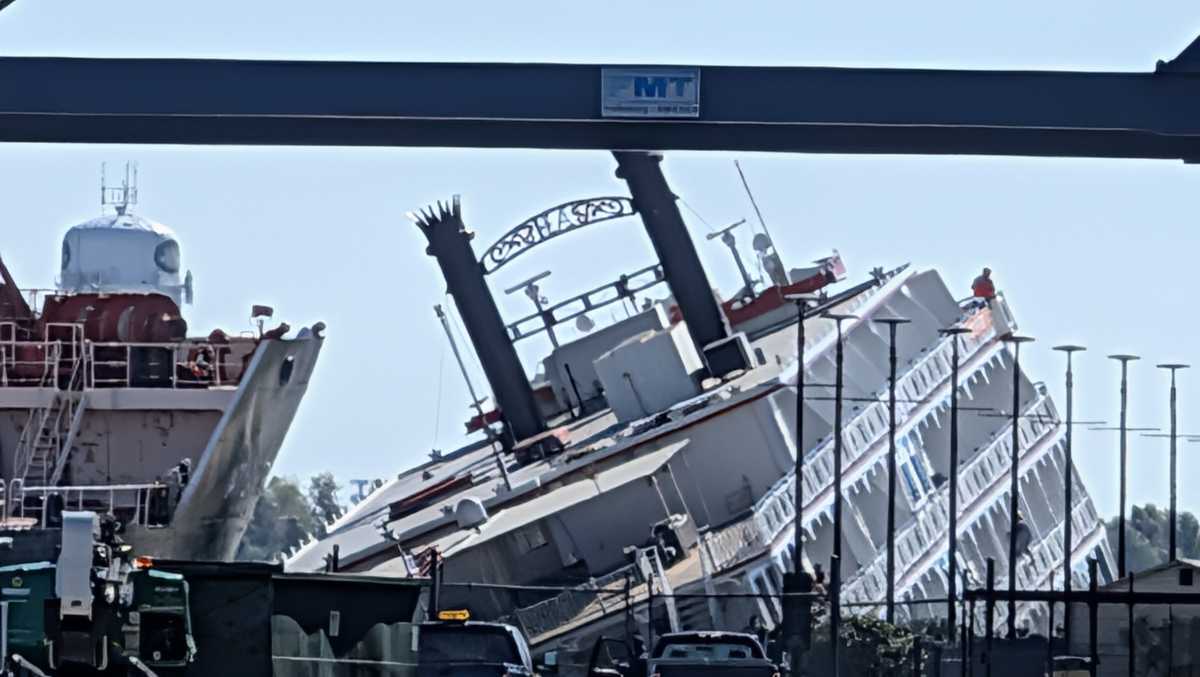
Tanker Collides With American Heritage Cruise Ship on Mississippi River in New Orleans
A steering malfunction on a commercial tanker led to a collision with a docked cruise ship on the...

Shania Nichols Scores 25 to Lead Kennesaw State Over South Alabama
Shania Nichols scored 25 points and hit a game-sealing three-pointer in the final seconds to secure an 82-77...

Stewart Cink Wins Charles Schwab Cup Championship and Back-to-Back Titles
Stewart Cink secured his second consecutive Charles Schwab Cup title on Sunday by overcoming a late challenge from...

Zac Johnson to Resign Anchorage Assembly Seat After Election Win
Anchorage District 6 residents will soon have a single representative in the Assembly after Zac Johnson vacates his...