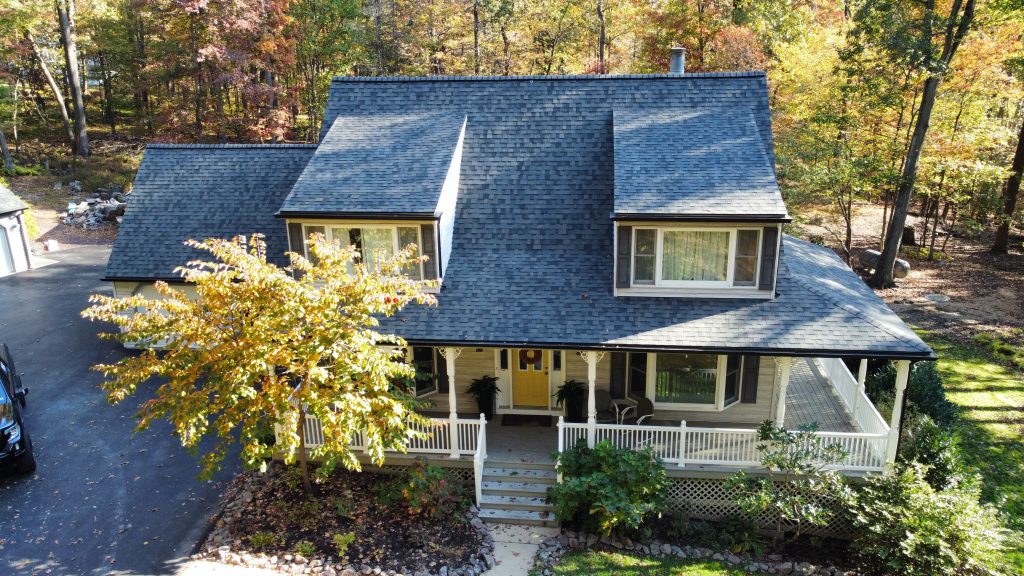
November serves as the final window for Pennsylvania residents to secure their homes before freezing temperatures and snow arrive, according to The Exterior Company.
The timing of these inspections is driven by a specific environmental shift: the seasonal loss of foliage. As trees thin out, sightlines that were previously blocked by summer canopies open up, allowing homeowners to spot structural issues that remained hidden for months.
This seasonal transition is more than a matter of visibility. It represents a strategic opportunity to address storm damage from the spring and summer months—such as hail or high winds—before the weather becomes too volatile for safe or efficient repairs.
The freeze-thaw cycle threatens structural integrity
Water remains the primary threat to Pennsylvania roofing systems during the winter months. A minor gap or a single cracked shingle might seem inconsequential in October, but the state’s volatile temperature swings change the math entirely.
During a typical winter, temperatures frequently oscillate above and below the freezing mark. This creates a destructive cycle where moisture enters a small opening, freezes, and expands, physically pushing the opening wider. When the ice thaws, more water enters the structure, repeating the process.
If left unaddressed, this cycle can lead to several escalating issues:
- Loosened or lifted shingles caused by expanding ice.
- Water penetrating the decking and insulation layers.
- The formation of ice dams that force meltwater underneath shingles.
- Interior damage, including visible stains, mold, and compromised ceilings.
The Exterior Company reports that a repair that would have been a minor fix in November can evolve into a much larger, more expensive project—sometimes requiring a full roof replacement—once moisture has been working on the structure all winter.
Visible warning signs from the ground
Homeowners do not necessarily need to climb a ladder to identify potential failures. A perimeter walk of the property, ideally aided by binoculars, can reveal several red flags.
Missing, cracked, or lifted shingles are immediate indicators of wear. Shingles that appear curled, buckled, or unevenly seated suggest they may have lost their seal, leaving them vulnerable to wind-driven rain and snow. Similarly, exposed areas where granules have worn away or where nails are visible mean the protective barrier is failing.
Metal components, known as flashing, require close attention. This material seals the areas around chimneys, vents, skylights, and valleys. The Exterior Company notes that failed, bent, or rusted flashing is one of the most frequent reasons homeowners require emergency repairs once winter sets in.
Gutters also help maintain roof health. Sagging gutters or those clogged with fallen leaves can cause water to back up under the roof edge. This buildup is a primary contributor to the formation of ice dams during a hard freeze.
Strategic timing for repairs and contractors
There is an economic and logistical advantage to scheduling maintenance in late autumn. While demand for roofing services typically spikes immediately following a major storm or a significant leak, the contractor schedules in November are often more accessible than those in the middle of a winter emergency.
The cooler fall weather also provides a more stable environment for professional repairs. Deep winter conditions often limit the types of work that can be performed safely and can transform a routine maintenance task into an urgent, high-cost emergency.
Beyond immediate repairs, a dated inspection report provides essential documentation. This can prove valuable if a homeowner needs to file an insurance claim for damage caused by summer storms or falling branches.
Common questions regarding fall roof maintenance
When is the most effective time for a Pennsylvania roof inspection?
Late fall, specifically during November, is considered ideal. This is when leaves have fallen, making storm damage from earlier in the year easier to see, and repairs can be completed before the first freeze.
Can I perform the inspection myself?
While you can check for obvious issues like missing shingles or sagging gutters from the ground, a professional is required to identify hidden problems such as failed seals, moisture trapped in the decking, or internal flashing damage.
What are the most urgent signs that I need a repair before winter?
Look for lifted shingles, damaged flashing around vents or chimneys, clogged gutters, or water stains appearing on interior ceilings. If you see daylight in the attic, the roof’s integrity is already compromised.
The Exterior Company offers fall roof inspections for homeowners across Pennsylvania, with flexible financing options available for those whose inspections reveal necessary repairs.
Keep reading

Sisters Turn Mini-Pancake Fundraiser Into Stack & Drizzle Business
Two sisters in Parker have transformed a summer fundraising project into a mobile food business featuring customized mini...

OKC Police Shoot and Kill Armed Man After Gunfight in Southeast OKC
An armed man was shot and killed by an Oklahoma City police officer on Wednesday afternoon following a...

Oldest Living Columbus Firefighter Darrell Hall Receives Special Salute
Columbus firefighter Darrell Hall received a special salute at his nursing home on Tuesday as the city's oldest...

TrueNorth Steel Is Fabricating 3,500 Tons of Steel for Platte-Winner Bridge
Steel girders weighing more than 3,500 tons are currently being fabricated by TrueNorth Steel for the Highway 44...