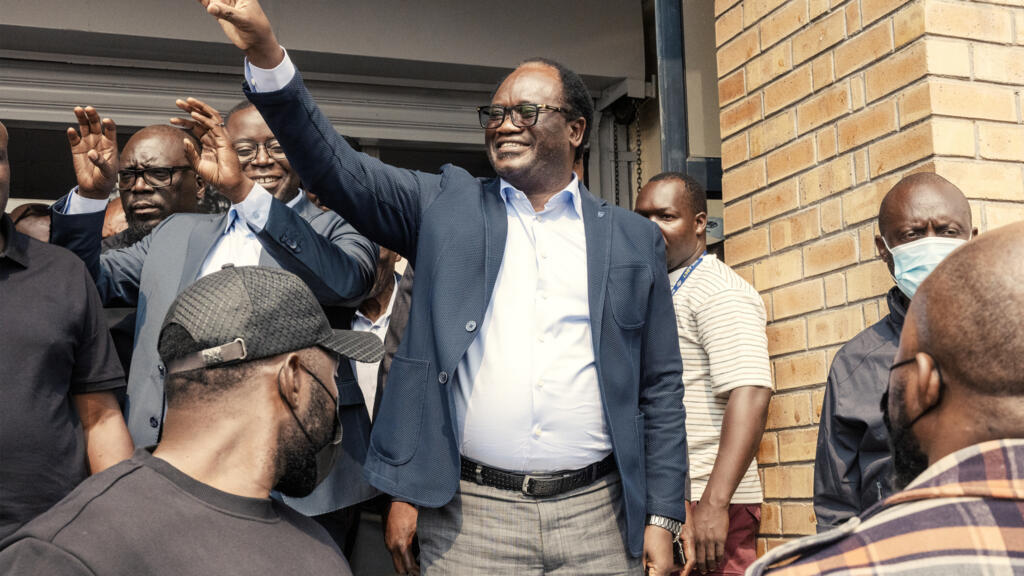
- Brian Mundubile, his running mate Makebi Zulu and 12 others referred to High Court on November 23.
- Prosecutors allege conspiracy ran April 1 to August 14, 2026, covering the August 13 election.
- Businessman Harry Valden Findlay accused of financing Russian travel for six individuals.
- Human Rights Watch’s November 1, 2026 investigation documented 14 apparent enforced disappearances and 71 potentially politically motivated arrests or prolonged detentions post-election.
The Lusaka Subordinate Court referred the case to the High Court on November 23, according to a charge sheet dated that day and reviewed by the Zambian Observer.
The Director of Public Prosecutions alleges Mundubile and Zulu engaged Colonel Mundubile Mwamba to recruit serving and retired security personnel for an unconstitutional regime change. The charge sheet names six individuals — Ezra Gideon Tolopa, Dickson Tembo, Victor Muzyamba and three others — for whom Mundubile and Findlay allegedly arranged airline tickets and transport to Russia for military training.
Seven defendants, including Mundubile, Brazil Soko, Jackson Mutyoka, Bernard Chanda Chewe, Richard Banda, Simon Phiri and Patrick Bwalya Mwansa, are accused of possessing “offensive weapons to be used in the operations of the unlawful enterprise.”
An alternative charge of misprision of treason accuses Zulu, lawyer George Kangwa Chisanga and Mwansa of knowing about the plot but failing to report it. The 14 accused are named in a treason charge under Section 43(1)(a) of the Penal Code.
The opposition disputed the outcome, and international observers identified electoral shortcomings. The High Court reportedly closed for security reasons on August 24, the final day for filing electoral challenges.
Human Rights Watch’s November 1 investigation documented 14 apparent enforced disappearances, 61 cases of violent abuse in custody and 71 potentially politically motivated arrests or prolonged detentions following the election, AllAfrica reported. Several treason defendants alleged torture or coercive interrogation. Lawyers accused security personnel of seeking statements incriminating Mundubile and Zulu. Authorities maintain defendants have judicial protections.
Prosecutors allege military training occurred on Russian territory, but the Robert Lansing Institute analysis emphasizes that training in Russia does not establish Russian intelligence sponsorship. Three levels of possible involvement are distinguished: private commercial training without state direction; facilitation by state-linked actors; and deliberate covert sponsorship of regime change. None has been established.
Zambia concluded a defense agreement with Russia in April 2017 under former President Edgar Lungu, and the then-ruling Patriotic Front signed a cooperation memorandum with United Russia in 2016. Mundubile questioned Zambia’s 2022 UN vote condemning Russia’s invasion of Ukraine, emphasizing historical ties and arguing for neutrality — a policy disagreement, not evidence of an intelligence relationship.
Zambia’s copper reserves and participation in the US- and EU-backed Lobito Corridor — a 550-kilometer railway project supported by a $255 million African Development Bank loan approved August 6 — increase its strategic significance. Political destabilization could delay investment and complicate Western access to critical minerals.
The case returns to the High Court for trial. Mundubile has denied wrongdoing. Hichilema himself faced treason charges in 2017 under Lungu; proceedings were later discontinued following international mediation.
Worth a look
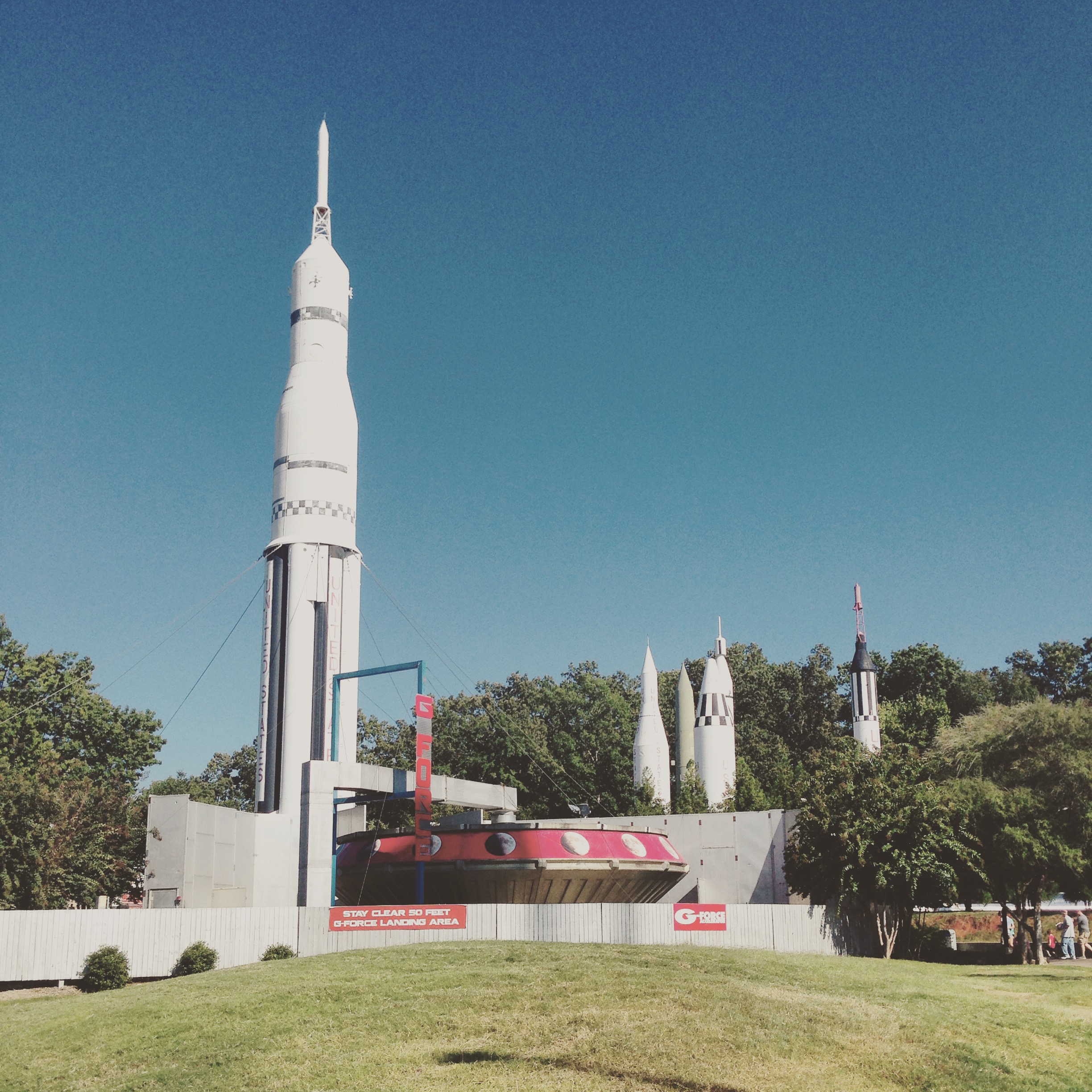
Huntsville Homeschool Field Trips: Burritt, Botanical Garden, Space Center Programs
Huntsville families educating children at home have three main venues offering structured field-trip programs, according to a guide...
Portland Homeschool Field Trips: Free Museums, Planetarium & Nature Trips
Portland offers small, affordable field trips for homeschoolers. The Portland Museum of Art gives free tours to Pre-K–12...
Ohio State Offense: Fahey Starts After Sayin Injury
Ohio State's offense in 2026 has been reshaped by a change at quarterback. Freshman Luke Fahey has taken...
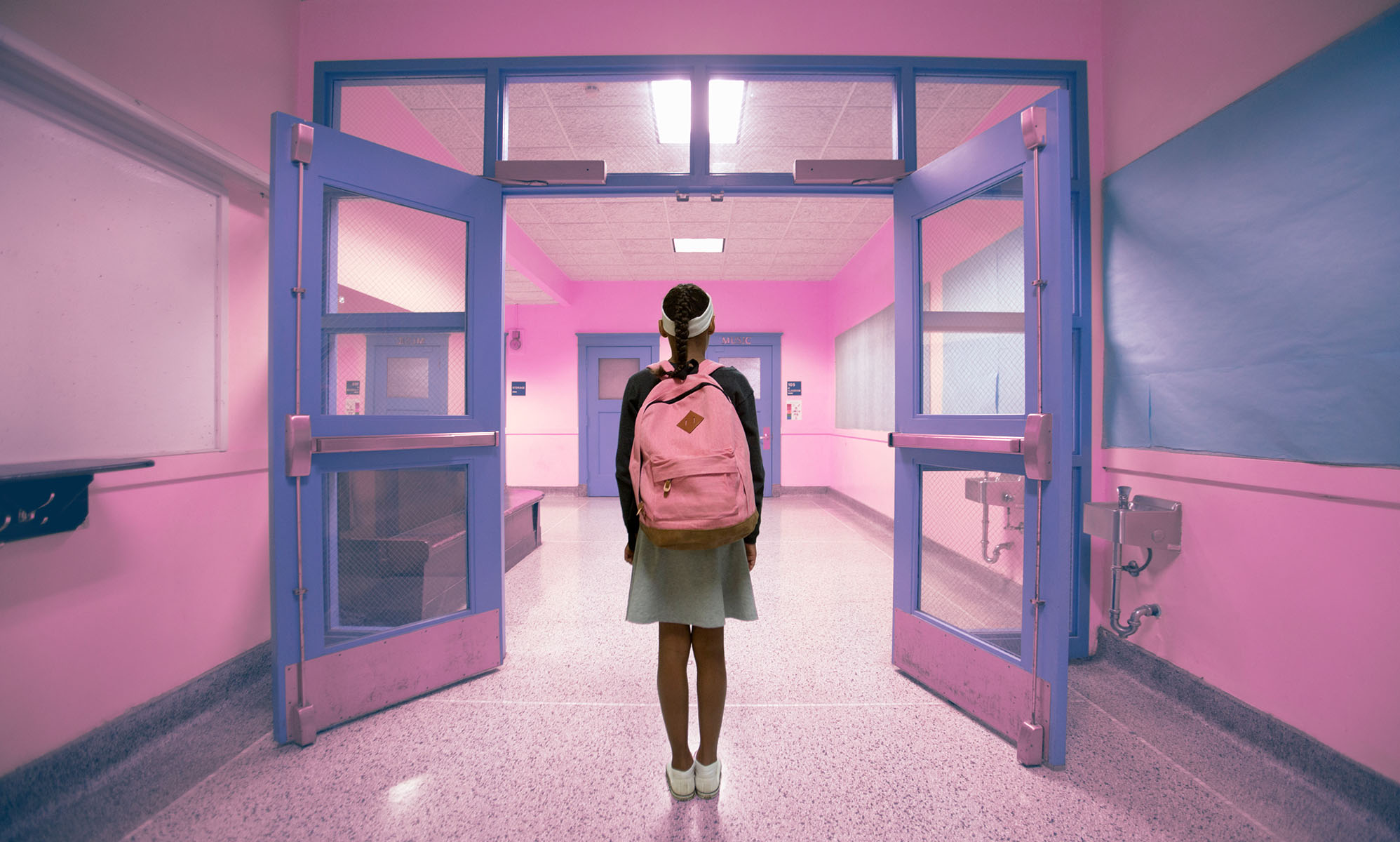
Santa Fe Schools Reaffirm Trans Student Support Amid Federal Probe
Santa Fe Public Schools reaffirms commitment to trans students amid federal investigation. Santa Fe Public Schools reaffirms commitment...