Huntsville families educating children at home have three main venues offering structured field-trip programs, according to a guide published by Albert Blog & Resources: the U.S. Space & Rocket Center, Burritt on the Mountain, and the Huntsville Botanical Garden.
Burritt on the Mountain runs Homeschool Happenings classes for kindergarten through fourth grade and for middle-school students on Tuesdays through Thursdays, with monthly themes that have included “Seed to Stitch” and “Wayfinders.” Middle-schoolers can also take a weekly U.S. history class.
December sessions cost $15 to $20 and are mostly wait-listed. Groups of 12 or more may request a dedicated class. Siblings may attend only if they pay as students, and parents may attend with a paid ticket.
The Huntsville Botanical Garden offers Nature Academy for homeschool students ages 6 to 12 on Tuesdays and Wednesdays from 10 a.m. to noon, covering a new STEM topic each month. A Seeds to Sprouts program serves children ages 2 to 5. Homeschool co-ops of 10 or more can book STEM field trips such as “Dig It! Soils” and “H2O Explorers” for $10 per child; parents pay $15.
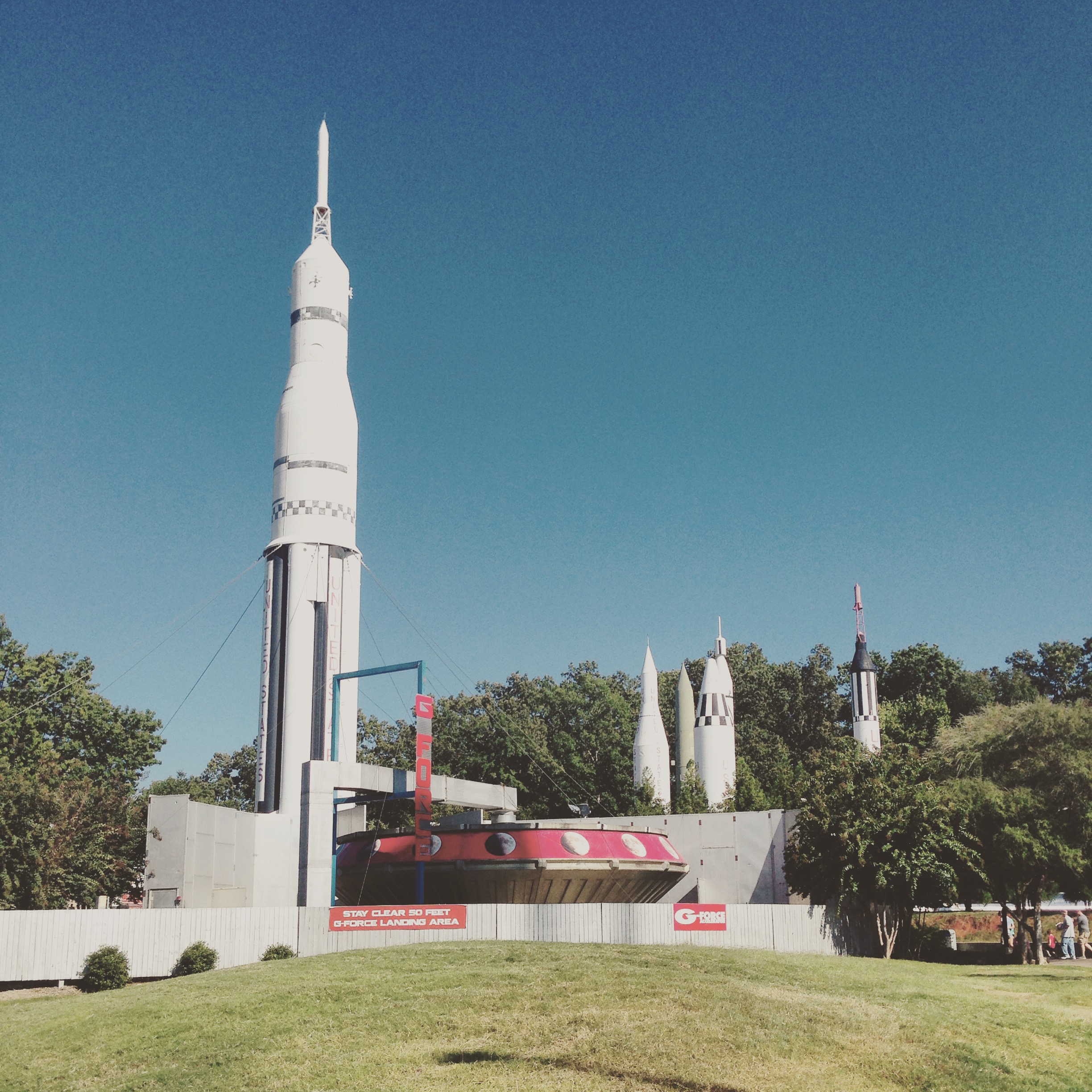
The U.S. Space & Rocket Center is open daily from 9 a.m. to 5 p.m. Admission includes the G-Force simulator. The venue’s group-visit page covers check-in at the Davidson Center and advises buying planetarium tickets in advance. The center’s exhibits and simulators are noted as a suitable option for high-school students.
The guide recommends planning by season: Burritt’s classes and the Botanical Garden’s Fantastic Foliage in fall; the Space & Rocket Center’s indoor facilities in winter; the Garden’s Seeds to Sprouts and pollinator programs in spring; and the Space & Rocket Center’s simulators in summer. Hours, prices and program dates change, so the guide advises checking each venue’s website before visiting.
Albert provides three free printable worksheets — for zoo visits, science centers and museums, and historic sites — each in three grade bands (K–2, 3–6, 7–12). Editable versions are available by email. The company also notes that its Albert Adaptive practice platform is free for families and covers space science, plants, soils and history topics aligned with the field trips.
Keep reading

Indianapolis Colts Fans Have Reasons to Be Thankful Despite Rebuild and 3-8 Record
Indianapolis Colts fans enter Thanksgiving with the team mired in a 3-8 record and an organizational rebuild that...
NH College Enrollment Declines as Employers Demand More Degrees
Fewer New Hampshire high school graduates are pursuing college degrees and those who do increasingly choose schools outside...

US Army Detonates 5 Tons of Unstable Explosives in Iowa
The U.S. Army detonated nearly five tons of unstable lead azide at the Iowa Army Ammunition Plant in...

West Virginia, North Carolina Meet in Second Dick Vitale Invitational
West Virginia and North Carolina meet Friday at 7 p.m. in the second annual Dick Vitale Invitational at...