
Robin Hough, the Editor-in-Chief of Healthline, argues that the ability to genuinely disconnect from professional responsibilities is a critical component of mental well-being and burnout prevention.
Writing in a recent column for Healthline, Hough describes the personal struggle of “psychological detachment”—a state where an individual is able to stop thinking about work while away from it. He says that despite being on a long weekend in Italy, he found himself ruminating on to-do lists and drafting professional columns in his head as early as 6 a.m. on his first morning away.
The difficulty of switching off is compounded by an “always-on” culture driven by ubiquitous screens and constant information flow. Hough admits that his own professional identity is deeply entwined with his work, making the phone in his pocket a persistent enabler of work-related stress even during personal time.
The struggle to leave work at the desk is not merely a matter of willpower; it is a documented psychological phenomenon. Research suggests that the quality of a break depends heavily on the mental state of the person taking it.
A 2025 meta-analysis of 32 studies shows vacationing improves well-being for longer periods than previous research indicated. A smaller analysis of eight studies suggests that combining work detachment with physical activity is one of the most effective ways to use time off.

The consequences of failing to detach are measurable. In a study tracking teachers during a two-week break, researchers found that those who continued to ruminate on work experienced less recovery. Conversely, teachers who successfully detached saw declines in exhaustion, anxiety, and low mood.
Mental health access and crisis scale in India
While the conversation around work-life balance often focuses on individual recovery, broader systemic issues regarding mental health access and reporting persist globally. In India, the scale of the mental health crisis is particularly acute.
Reports from The Times of India indicate that more than 140 million people in India are living with mental health conditions, yet nearly 80% of them lack access to necessary care. The human cost is stark; the National Crime Records Bureau reported that a little over 1.7 lakh people died by suicide in 2024, a figure that included 14,488 students and 11,184 children under the age of 18.
Addressing these issues requires more than just clinical access; it requires a shift in how mental health is discussed in the public sphere.
At the 11th Together Against Stigma Conference, which opened on November 12 at the All India Institute of Medical Sciences in New Delhi, experts discussed ways to reduce stigma and improve care access. Organized by The George Institute for Global Health in partnership with UNICEF India, the three-day event runs through November 14, 2026.
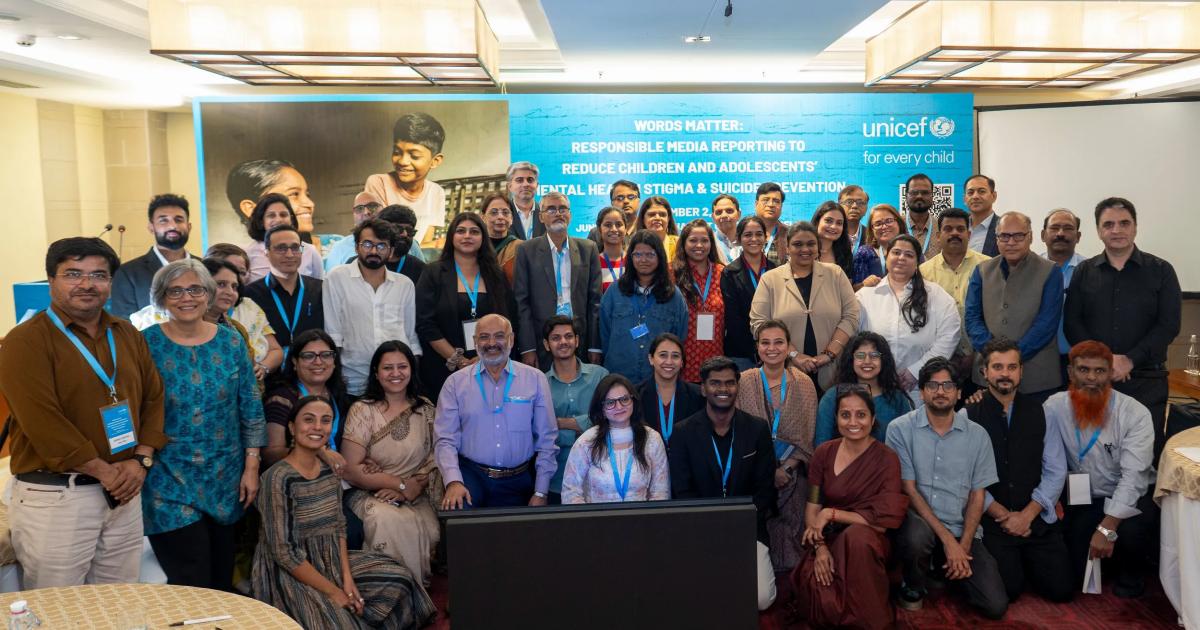
“Reducing stigma requires a public conversation that builds understanding and trust in concerns relating to mental wellbeing,” Jesper Moller, UNICEF deputy representative (programmes), told Unicef.
The media’s role in this conversation is under scrutiny. The Times of India said that media reporting often falls short of guidelines, sometimes reinforcing stigma through sensationalism. A study published in BMJ found that extensive media coverage of a known personality was associated with a 13% rise in suicide risk, while reporting specific methods resulted in a 30% increase in deaths by that same method.
Finding pockets of rest
For those who cannot take traditional vacations, the solution may lie in smaller, more disciplined intervals of disconnection. Hough suggests that for individuals whose jobs are central to their identity, taking time away might feel like an act of disloyalty, but he argues it is actually essential for maintaining a consistent work ethic.
He advocates for finding “pockets” of time—an evening, a walk, or an hour spent with a book rather than a screen—to allow the mind to reset. For Hough, engaging with nature through hiking, cycling, or swimming serves as a way to stay present and recharge the creativity required for his professional life.
The capacity to rest is increasingly viewed as a necessity rather than a luxury. As the holiday season approaches, the emphasis remains on the importance of being kind to oneself to ensure long-term mental resilience.
Keep reading

Suspicious Device Discovered in Dublin Office Building Near Merrion Square
A "crude but viable" explosive device was discovered in a Dublin office building on Friday afternoon, prompting an...

Ex-Priest Richard Brennan Sentence Increased to 14 Years for Sister Abuse Case
An eight-year prison sentence previously imposed on Richard Brennan, a 64-year-old former priest, has been increased to 14...

Google and Samsung Open Preorders for AI Eyewear, Samsung Says
Preorders for Google and Samsung's intelligent eyewear opened on November 12, with retail availability set for December 10...
mHealth Coaching Reduces Gestational Diabetes Risk Regardless of Weight Change
Personalized mobile health coaching significantly reduces gestational diabetes incidence among high-risk pregnant women independently of weight change, according...