
The Senate on Thursday passed the Bipartisan American Affordability and Jobs Act by a 62-33 vote, sending the sweeping energy-permitting package to the House.
Fourteen Democrats and one Independent joined most Republicans to advance the bill, which was authored by two Democrats and two Republicans, NPR reported. The legislation aims to accelerate approvals for data centers, power plants and transmission lines as electricity demand surges.
Rhode Island Sen. Sheldon Whitehouse, a Democratic co-author, framed the measure as pocketbook relief. “Americans will quickly begin getting some relief on their energy bills if the House follows suit,” he said. Nationwide, the cost of a kilowatt-hour has risen more than 6% in the past year and 39% over five years, outpacing overall inflation.
Passing BAAJA in the Senate is a major step forward. Grateful to my colleagues and our friends in the labor movement and the clean energy industry for their hard work to make this happen. Americans will quickly begin getting some relief on their energy bills if the House…
Preservation rules rewritten
The bill revises Section 106 of the National Historic Preservation Act, changing the mandate that federal officials “shall consult” with state historic preservation officers, tribes, Native Hawaiian organizations and the public to language making consultation optional. “BAAJA makes that optional,” Jeffrey Emidy, executive director of the Rhode Island Historical Preservation and Heritage Commission, told The Brown Daily Herald. The new list of parties specified for consultation no longer includes the public.
Providence Preservation Society Executive Director Marisa Angell Brown said the exclusion will hit vulnerable communities hardest. “The common concern here is about community participation,” she told the Herald. “It’s the under-resourced communities that really need some of this regulation the most.”
Tonight, the passage of permitting reform in the Senate finally became reality and we took a major step towards addressing the affordability concerns of the American people. I have spent years trying to achieve bipartisan compromise on legislation that gets our nation back to…
Environmental laws in the crosshairs
Critics argue the bill functionally repeals core provisions of the National Environmental Policy Act and the Endangered Species Act. “It delegates core obligations and core responsibilities of ESA to the states,” said Aaron Regunberg, director of Public Citizen’s Climate Accountability Project and a former Rhode Island state representative, speaking to the Herald.
He warned the acts might not be enforced in states that “don’t have the resources and capacity” to enact them, like Rhode Island.
Brown University Timmons Roberts, a senior researcher at the Climate and Development Lab, told the Herald the renewables upside is “highly uncertain.” He added he was concerned about the bill’s “potential gutting” of NEPA and the ESA.
Major environmental groups, including the Sierra Club and National Wildlife Federation, have opposed the bill, arguing it will weaken environmental accountability, NPR reported. Many Democrats voted no, saying it will worsen pollution by easing approvals for oil, gas and energy-hungry data centers while weakening clean air and water protections.
Senators warn against sacrificing tribal sovereignty and environment
Washington Sen. Maria Cantwell warned on X: “Don’t sacrifice the Clean Water Act, hunting or fishing grounds, historic or sacred sites, or protections of tribal sovereignty.” California Sen. Alex Padilla echoed those concerns. “I support cutting red tape and getting more energy projects built, but not at the expense of tribal sovereignty and California’s environment,” he said.
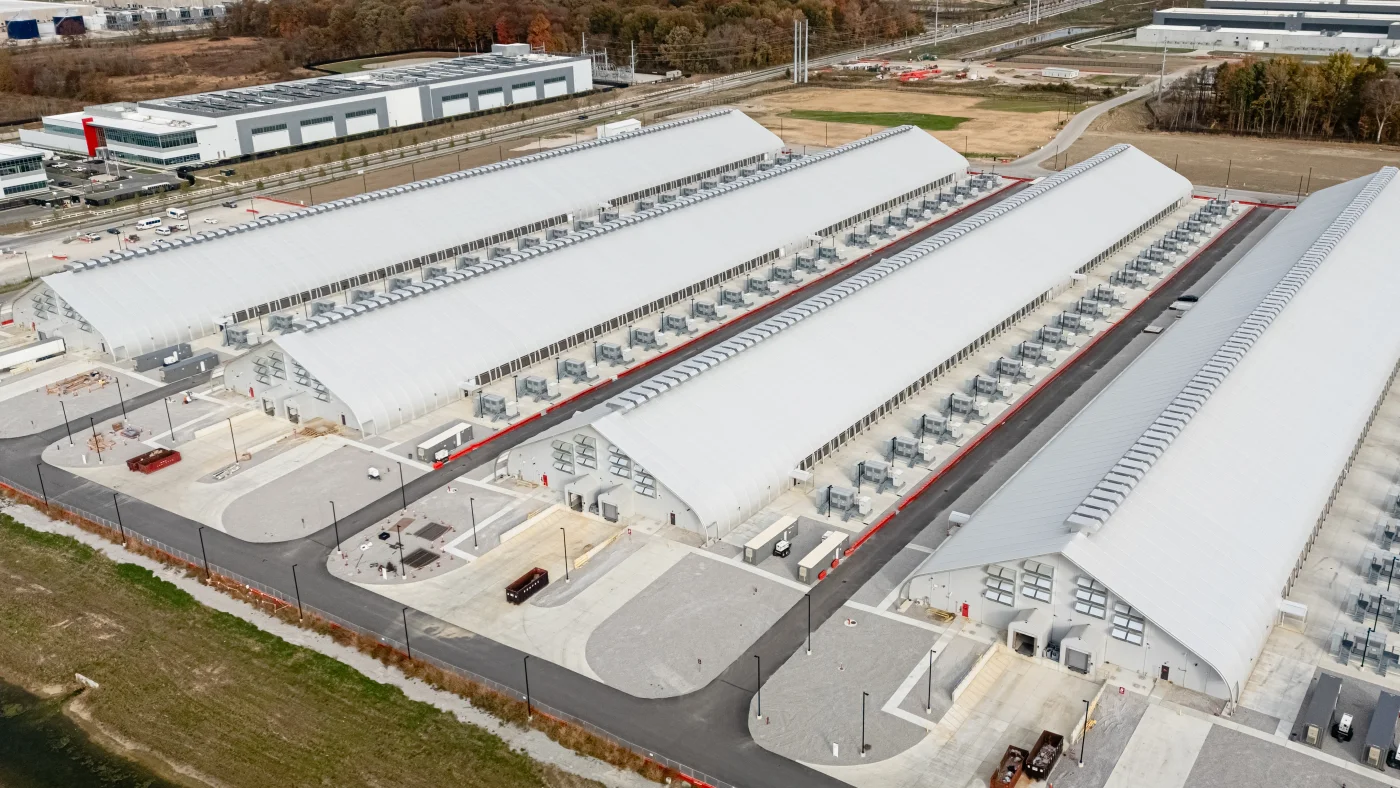
Oregon Sen. Jeff Merkley called the bill “a bad deal.” “It opens the gates to a flood of natural gas for data centers while leaving expanded transmission of renewable energy subject to Trump’s obstruction,” he posted on X.
President Trump urged Congress to approve the bill in a recent social media post, calling it a “BIG WIN for U.S. ENERGY INDEPENDENCE and DOMINANCE.”
The permitting bill needs work. It opens the gates to a flood of natural gas for data centers while leaving expanded transmission of renewable energy subject to Trump's obstruction. A bad deal. https://t.co/wIATX66sBF
Where the debate lands
Student researcher Calvin Woodruff, working in Roberts’s climate policy seminar, acknowledged restrictive local ordinances can block renewable projects and that permitting reform could counter that. “But changing the permitting process should not stifle community voices,” he told the Herald. “Communities should always have an input on projects being developed in their town. And even if that does end up blocking renewable projects, I think we need that.”
Whitehouse, a former U.S. attorney for Rhode Island and the state’s attorney general from 1999 to 2003, won his Senate seat in 2006 by defeating Republican incumbent Lincoln Chafee, becoming the first Democrat to hold the seat since 1970.
He has chaired the Senate Budget Committee since 2023 and is known for delivering hundreds of floor speeches on climate change, arguing that conservative “dark money” groups have sought to capture the Supreme Court to block climate action.
Whitehouse’s office did not immediately respond to a request for comment, the Herald noted. The bill now moves to the House, where its fate will test whether the Senate’s bipartisan coalition can survive contact with the lower chamber.
By a vote of 70-27, the #Senate invoked cloture on the Capito substitute amendment #6883 to H. R.2347, Bipartisan American Affordability and Jobs Act of 2026.
More on Bipartisan American Affordability
Don't sacrifice the Clean Water Act, hunting or fishing grounds, historic or sacred sites, or protections of tribal sovereignty. We need new sources of energy and power. But this bill, as it's currently drafted, is not the answer. https://t.co/U1vlgK0MCm
I support cutting red tape and getting more energy projects built, but not at the expense of Tribal sovereignty and California’s environment. Though I had to oppose this bill, I will continue to work to modernize our grid and get renewable energy projects across the finish…
— Post by @SenAlexPadilla on X Washington Democratic Sen. Maria
This bill is not perfect, like no piece of legislation is. It has real strengths and weaknesses. Most importantly, this bill will bring down costs for Michiganders by making it cheaper and easier to build energy infrastructure — something I have heard loud and clear from…
Worth a look
- Texas Executes Reinaldo Dennes After Hour-Long IV Struggle; Spiritual Adviser Says He Reported Burning Pain
- Virginia Lawmakers Continue Paraquat Ban Bill to 2027 Session
- $110 Oil Adds About 91 Cents a Gallon; Pumps Have Passed On 55 Cents (daybreakwire.com)
- Trump administration moves to dismiss lawsuit over Alaska Senate race (newsarchyuk.com)
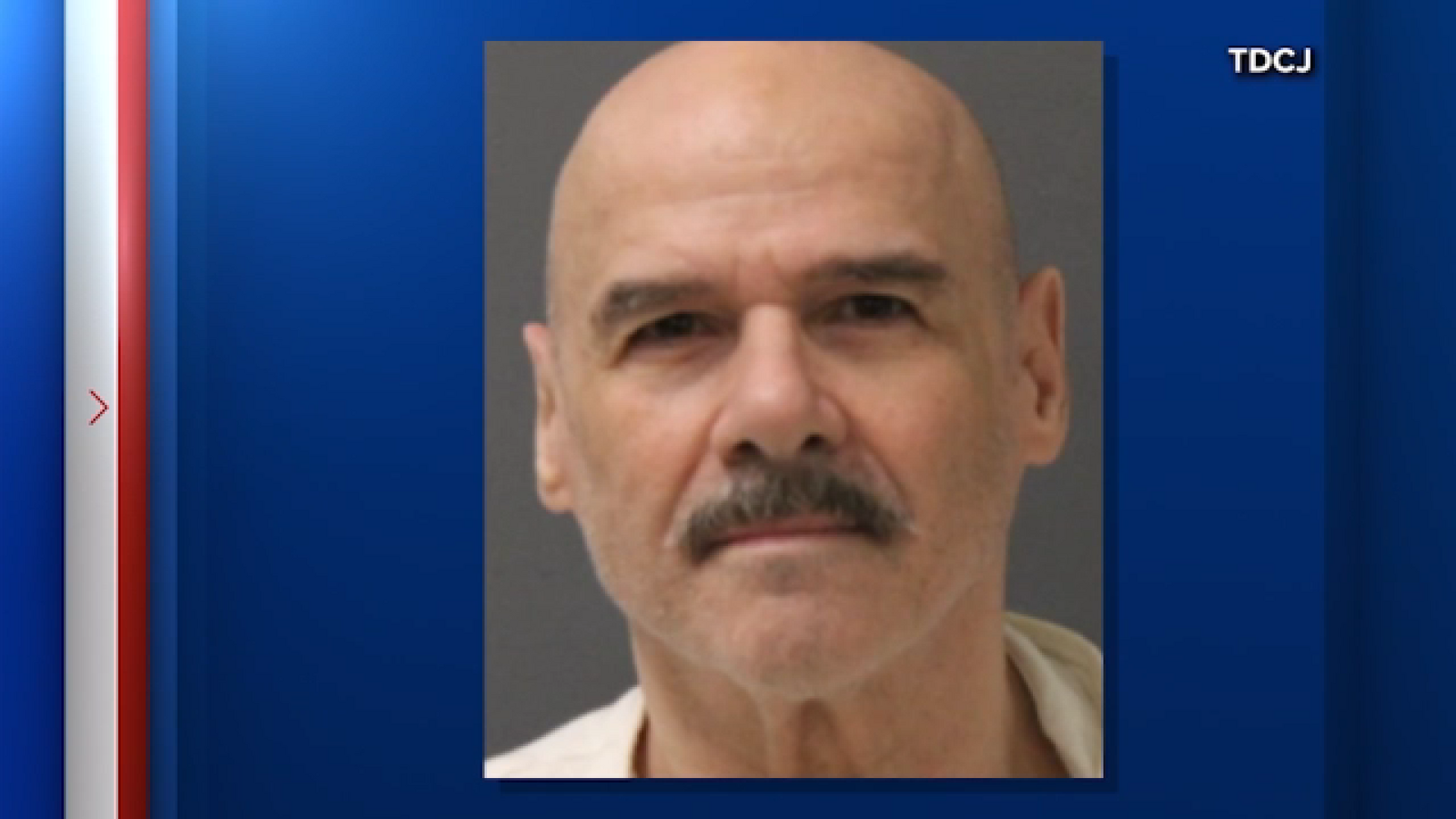
Texas Executes Reinaldo Dennes After Hour-Long IV Struggle; Spiritual Adviser Says He Reported Burning Pain
Texas executed Reinaldo Dennes on Thursday evening in Huntsville after a procedure that stretched over an hour as...

Virginia Lawmakers Continue Paraquat Ban Bill to 2027 Session
Virginia lawmakers will take up a ban on the herbicide paraquat in the 2027 session after a House...

St. Olaf Launches Pilot Internship Program Inside Twin Cities Biotech Startups at University Enterprise Laboratories
St. Olaf College placed five students inside early-stage biotechnology companies at University Enterprise Laboratories in St. Paul this...

Friday Storm: WCSD, UNR, TMCC Open; Chains Required on I-80
The storm that buried northwestern Nevada and the Sierra on Thursday kept chain controls locked on Interstate 80...