
Indonesia and the European Union will sign the Comprehensive Economic Partnership Agreement in Brussels on Saturday after nearly a decade of negotiations.
The deal, known as IEU-CEPA, covers the liberalization of over 98 percent of bilateral trade, with 90.4 percent of Indonesian product tariff lines immediately receiving zero percent tariffs, ANTARA News reported. Coordinating Minister for Economic Affairs Airlangga Hartarto led the Indonesian delegation through final preparatory meetings with European Commissioner for Trade and Economic Security Maroš Šefovič on Friday.
“Accelerating the process is crucial to maintaining preferential access for Indonesian products to the EU market while giving businesses greater certainty in pursuing trade opportunities under the agreement,” Hartarto said in a statement on Friday.
The signing comes with a hard deadline.
The Generalized Scheme of Preferences (GSP) for Indonesia expires on January 1, 2027, and Jakarta is pushing for ratification before that date to avoid a tariff cliff for exporters. Kompas.id reported that the government hopes the ratification process can be expedited before the GSP facility lapses.
The GSP cliff and the race to January
Indonesia has long relied on the GSP to keep duties low on key exports like palm oil, footwear, and processed commodities. Without a replacement framework, those preferences vanish at year-end.
The IEU-CEPA is designed to lock in deeper access — 96 percent of Indonesian tariffs on EU goods will be eliminated and up to 98.5 percent of tariff lines liberalized — but only if both sides complete domestic legal procedures in time.
The European Council approved the signing and provisional application on November 18, clearing the EU side for rapid implementation. Provisional application could begin in early 2027, subject to ratification, ANTARA News reported.
Bilateral trade grows while automotive duties phase out
Bilateral trade has been running at roughly US$30 billion annually. Full-year 2023 figures show US$31.65 billion in total trade — US$19.40 billion in Indonesian exports to the EU and US$12.25 billion in imports — leaving Indonesia with a US$7.15 billion surplus, according to Tempo. Through September 2024, trade reached US$26.08 billion, an 11.64 percent increase year-on-year, with exports of US$14.57 billion and imports of US$11.51 billion.
The agreement reshapes sensitive sectors. Indonesia will phase out import duties on EU automotive products — currently as high as 50 percent — over five years, the Indonesia Business Post reported. In return, Indonesian goods gain near-immediate duty-free entry across the bloc’s 450 million consumers.
Investment protection runs in parallel
Alongside the trade pact, Hartarto and Šefovič will sign the Indonesia-EU Investment Protection Agreement (IEU-IPA). The IPA replaces a patchwork of bilateral investment treaties with individual EU member states and establishes a permanent investment court system for dispute resolution.
“The Indonesian government will continue to strengthen coordination with the European Union and all relevant stakeholders to optimize the utilization of the agreement, enhance the competitiveness of domestic industry, attract quality investment, and create jobs,” Hartarto said.
Airlangga Hartarto, born in Surabaya in 1962, entered politics in 1998 and chaired the House commission on industry and trade from 2009 to 2014, where he introduced the 2014 Industry Law. He served as Industry Minister from 2016 before becoming Coordinating Minister for Economic Affairs in 2019, a role he retains in President Prabowo Subianto’s cabinet. He also led the Golkar Party as chairman from 2017 until August 2024.
DPR must ratify the agreement after the signing ceremony
Minister of Trade Budi Santoso departed for Brussels from Shenzhen, where he accompanied President Prabowo Subianto at the APEC Summit, Tempo reported. The signing ceremony is scheduled for November 21 at EU headquarters. After that, both parliaments must ratify. Indonesia’s House of Representatives (DPR) will need to approve the agreement before provisional application can take effect — the next concrete hurdle on the calendar.

Worth a look
Davies Thanks Trump, Miller; Named Acting Cyber Director
Our opportunity is to dominate the cyber landscape for generations to come …but only if we modernize and...
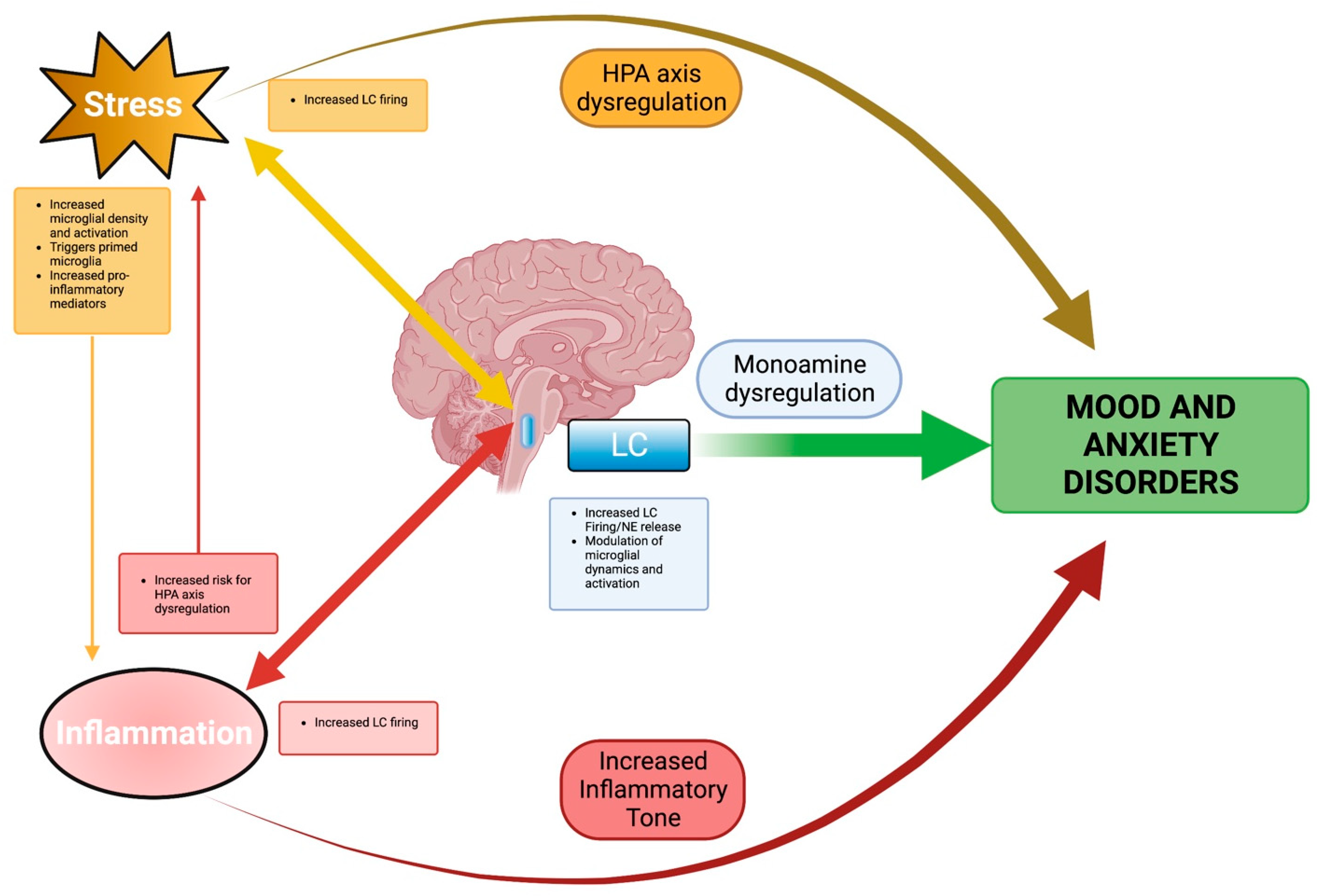
Functional Impairment From Allergies Linked to Higher Anxiety in Students, Study Finds
Nearly half of Japanese university students report having an allergic disease, yet the condition itself does not track...

McEntee Confident Triple Lock Bill Enacted by Year-end as Fianna Fáil Push Amendment
Defence Minister Helen McEntee declared Friday she is confident the government's Triple Lock legislation will be enacted by...

Bengaluru Man Kills Stepson, Locks Wife in Room for Four Days; Arrested
Bloodstains on the floor and a woman screaming from behind a locked bedroom door greeted the landlord and...