
In a column for Cycling West, Sean Benesh argues that the cultural friction surrounding rural mountain bike tourism runs far deeper than simple opposition to cycling, stemming from a disconnect between visiting riders and longtime residents.
Standing on a rural highway in eastern Oregon with a camera to photograph an elite women’s peloton, Benesh observed angry motorists drift toward the centerline, yell obscenities, and flip off both the photographer and the cyclists, a hostile reaction replicated by drivers of lifted diesel pickup trucks and eighteen-wheel semis throughout the day.
Social media posts on Facebook during the race reflected identical local resentment, with residents writing comments such as, “You are a hazard,” “Go to a trail,” and “Quit clogging up our roads!”
Benesh argues that these reactions are not merely anti-cyclist rhetoric, but rather expressions of deep resentment, frustration, and suspicion from locals who feel change is being forced upon their community rather than developed collaboratively with them.
While outsiders often suggest moving cyclists off roads and onto singletrack, Benesh writes that trail development does not eliminate cultural conflict, but frequently shifts the tension directly into the woods as increased visitation brings crowded trailheads, dust, noise, litter, and loose dogs.
Economic transitions in rural American towns across the West, such as Lakeview, Oregon, often follow the collapse of foundational industries like timber, mining, or agriculture, leaving residents to navigate shrinking populations, closed businesses, and the loss of generational jobs.
When outside visitors arrive in expensive vehicles with high-end gear to ride trails maintained largely by local volunteers before returning home, long-term residents are left absorbing the infrastructure costs, road maintenance, and emergency service demands.
Communities must have a meaningful voice in managing how trails are developed so that economic opportunities align with the preservation of local character and identity.
Related reading
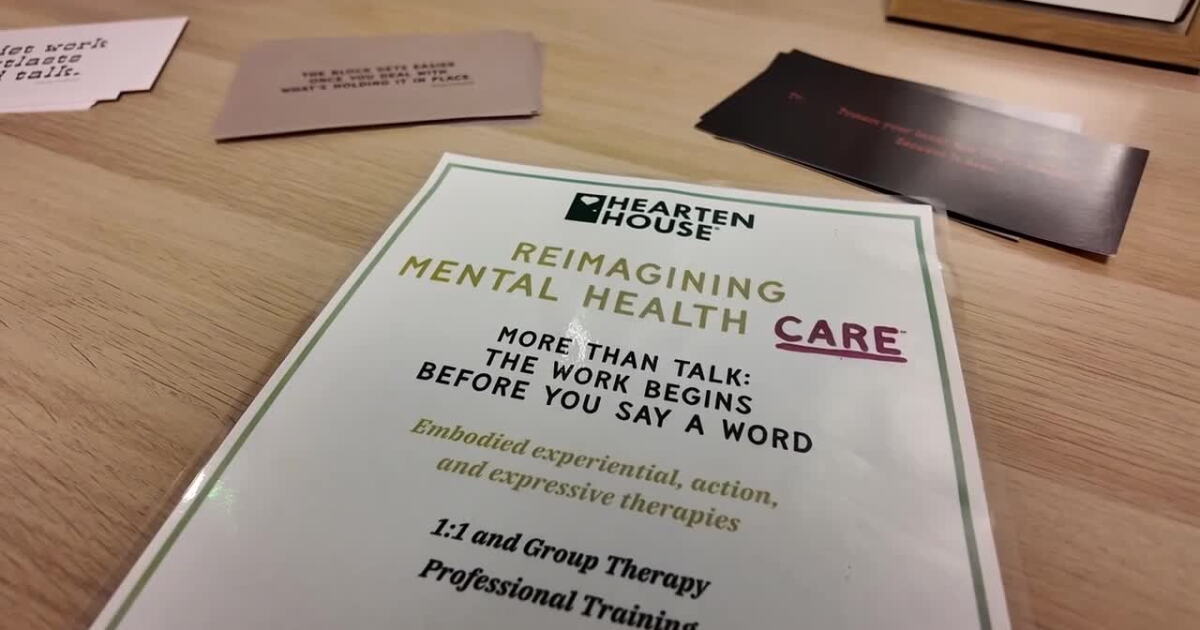
Mental Health Program Paused Due to Hearten House Lease Dispute
In the quiet, historic corridors of the Oquirrh School in Salt Lake City, a clash over office space...

Tipsy Train – Austin Steam Train Association
Adults looking to spend a Sunday sipping drinks on a vintage railcar can book a trip on the...
Print Profit Platform Helps Apparel Shops Scale Profitability
A former Marine and a Nashville country singer are building one of the fastest-growing apparel print shops in...

Sioux Falls Edges Nebraska Kearney 63-60 in Season Opener
Three players scored in double figures and Sioux Falls capitalized on 22 turnovers to edge Nebraska Kearney 63-60...